In today’s fast-paced world, the way we approach education is evolving.
Traditional methods still hold value, but the incorporation of educational videos into the learning environment has emerged as a powerful tool for building understanding in the classroom. As technology continues to weave its way into our daily lives, it’s no surprise that educators are finding new ways to engage students through multimedia. This shift not only enhances learning experiences but also fosters a deeper connection with the material.
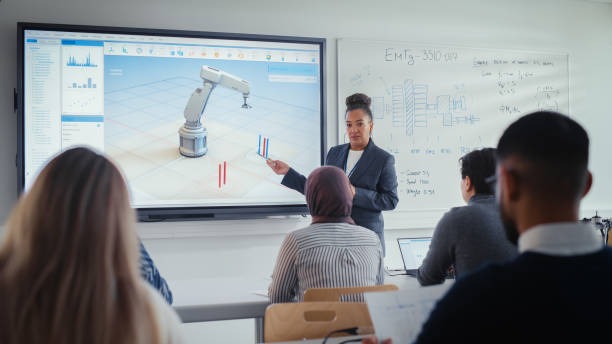
The visual nature of educational videos can captivate students’ attention in ways that textbooks sometimes cannot. Imagine a classroom where students are not merely passive recipients of information but active participants in their own learning journey. When a teacher presents a concept through a well-crafted video, it can spark curiosity and ignite a desire to explore further. The combination of visuals, sounds, and narratives creates a rich tapestry of information that resonates with diverse learning styles.
A gentle exploration of diverse learning styles reveals that students absorb information differently. Some may thrive on auditory input, while others are more visual or kinesthetic learners. Educational videos cater to a broad spectrum of these preferences, offering a dynamic way to present content. For instance, a science video demonstrating the water cycle can illustrate concepts in a vivid manner, making it easier for students to grasp the process compared to reading about it in a textbook. The moving images and engaging narration can transform abstract ideas into relatable experiences.
Moreover, educational videos have the potential to break down complex topics into digestible segments. In a world where attention spans can be fleeting, shorter videos can deliver information succinctly, allowing students to focus on key ideas without feeling overwhelmed. This approach not only aids comprehension but also encourages students to revisit the material at their own pace. The ability to pause, rewind, and rewatch ensures that no one is left behind in the learning process.
Incorporating videos into the classroom also promotes a sense of community and collaboration among students. When a teacher shares a video, it can serve as a springboard for discussions and group activities. Students can share their thoughts, ask questions, and even create their own videos to demonstrate their understanding. This collaborative spirit fosters an environment where learning becomes a shared experience, encouraging students to support one another in their educational journeys.
A small shift toward balance can be achieved through the thoughtful integration of educational videos. While they offer many benefits, it’s essential to strike a balance between screen time and traditional learning methods. Videos should complement, rather than replace, other forms of teaching. By blending various approaches, educators can create a rich tapestry of learning experiences that cater to the needs of all students.
The accessibility of educational videos is another significant advantage. With the internet at our fingertips, a wealth of resources is available to both teachers and students. Websites like YouTube, educational platforms, and even school-specific channels provide a treasure trove of content. This accessibility allows educators to select videos that align with their curriculum and the interests of their students, making learning more relevant and engaging.
As educators embrace the power of educational videos, it’s crucial to consider the quality of the content. Not all videos are created equal, and it’s important to choose those that are accurate, well-produced, and age-appropriate. High-quality videos not only enhance understanding but also inspire students to take an interest in the subject matter. When a video is engaging and informative, it can leave a lasting impression that encourages further exploration.
Another aspect to consider is the role of educational videos in promoting critical thinking skills. By presenting multiple perspectives on a topic, videos can challenge students to think critically about the information being presented. This encourages them to question, analyze, and form their own opinions—an essential skill in today’s information-rich world. By fostering a culture of inquiry, educators prepare students to navigate complex issues with confidence and discernment.
The impact of educational videos extends beyond the classroom walls. They can serve as valuable resources for parents and guardians, providing them with tools to support their children’s learning at home. When families engage with educational content together, it strengthens the home-school connection and reinforces the importance of lifelong learning. This collaborative approach not only empowers students but also fosters a supportive learning environment that extends beyond the classroom.
As we reflect on the role of educational videos in building classroom understanding, it’s clear that they are more than just a trend. They represent a shift towards a more dynamic and inclusive approach to education. By embracing this multimedia tool, educators can create a vibrant learning atmosphere that resonates with students on multiple levels.
In conclusion, the integration of educational videos into the classroom is a harmonious blend of tradition and innovation. By recognizing the diverse needs of learners and leveraging the power of visual storytelling, educators can cultivate an environment that fosters curiosity, collaboration, and critical thinking. As we continue to explore new avenues for learning, let us embrace the potential of educational videos to enrich our understanding and inspire a love for knowledge that lasts a lifetime.