In the journey of education, assessment often takes on the role of a compass, guiding both educators and learners toward better understanding and improved outcomes.
While traditional assessments have often been seen as mere tools for grading, they hold the potential to transform the learning experience into something richer and more meaningful.
By embracing a thoughtful approach to assessment, we can foster an environment where learning flourishes, and students feel empowered to reach their full potential.
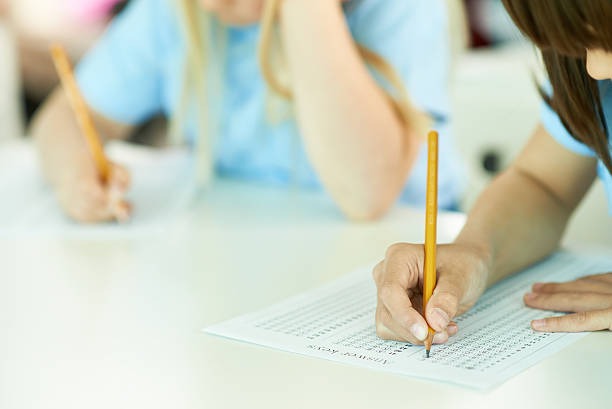
Finding the right balance in assessment can significantly impact the learning process. Instead of viewing assessments solely as a way to measure knowledge, we can think of them as opportunities for reflection and growth. A small shift toward this mindset can create a more supportive classroom atmosphere, where students feel safe to express their thoughts and ideas. When learners understand that assessments are not just about the final grade but also about their personal development, they are likely to engage more deeply with the material.
Creating assessments that are aligned with learning objectives is an essential part of this process. When assessments mirror the goals of the curriculum, they become more relevant and meaningful to students. This alignment helps learners see the connection between what they are being taught and the skills they need to develop. As they navigate through the assessments, students can build confidence in their abilities, knowing that each task is designed to enhance their understanding and mastery of the subject matter.
Another important aspect of effective assessment is feedback. Feedback should be constructive and timely, offering students insights into their performance while also guiding them on how to improve. It’s not just about pointing out what went wrong; it’s about nurturing a growth mindset. When students receive feedback that is encouraging and specific, they are more likely to take ownership of their learning journey. This shift from a fixed to a growth mindset can lead to greater resilience and a willingness to tackle challenges head-on.
Incorporating a variety of assessment methods can also enrich the learning experience. Traditional tests have their place, but they don’t capture the full range of a student’s abilities. Consider integrating projects, presentations, and discussions into the assessment mix. These alternative forms allow students to demonstrate their knowledge in diverse ways, catering to different learning styles. Such versatility not only keeps the learning process dynamic but also allows students to shine in areas where they may excel beyond conventional testing.
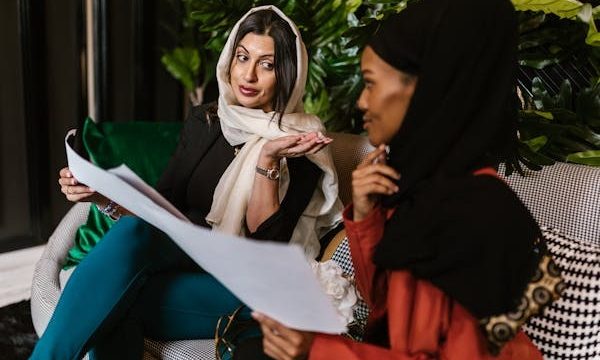
As we rethink assessment, it’s crucial to foster a culture of collaboration. Encouraging peer assessments can be a powerful tool in this regard. When students assess each other’s work, they gain valuable insights and learn to view their own work through a different lens. This collaborative approach not only builds a sense of community but also cultivates critical thinking skills. Students learn to articulate their thoughts and provide constructive criticism, skills that are invaluable both in and out of the classroom.
Moreover, integrating self-assessment into the learning process empowers students to take charge of their own education. When learners reflect on their progress and set personal goals, they develop a deeper understanding of their strengths and areas for improvement. This practice not only enhances their self-awareness but also encourages lifelong learning habits. By promoting self-assessment, educators can help students become active participants in their own learning journeys.
A gentle reminder about the importance of emotional well-being in the assessment process cannot be overlooked. The pressure of grades can sometimes overshadow the joy of learning. It is essential to create a safe space where students feel comfortable expressing their thoughts and emotions regarding assessments. Encouraging open dialogue about the challenges they face can foster resilience and a supportive learning environment. When students feel understood and supported, they are more likely to thrive academically.
Another consideration in building better learning outcomes through assessment is the role of technology. In today’s digital age, technology can serve as a valuable ally in creating engaging assessments. Interactive tools can provide instant feedback, making the learning experience more immediate and dynamic. Online platforms can facilitate collaborative projects and discussions, breaking down geographical barriers and allowing students to connect with peers from different backgrounds. Embracing technology can enhance the assessment process, making it more accessible and engaging for all learners.
As we reflect on the ways to improve learning outcomes through assessment, it’s essential to remember that this is an ongoing process. Continuous evaluation and adaptation of assessment strategies are key to ensuring they remain effective and relevant. Educators should engage in professional development opportunities to stay informed about best practices and emerging trends in assessment. By sharing insights and experiences, educators can collectively enhance their approaches, ultimately benefiting students.
In conclusion, building better learning outcomes through assessment requires a thoughtful and holistic approach. By shifting the focus from mere evaluation to a more comprehensive understanding of student growth, we can create an enriching learning environment. Emphasizing alignment with learning objectives, constructive feedback, diverse assessment methods, collaboration, self-assessment, emotional well-being, and the integration of technology will undoubtedly lead to a more fulfilling educational experience. As we embark on this journey, let us remember that the ultimate goal is not just to measure knowledge, but to inspire a love for learning that lasts a lifetime.