Inclusive education is often described as a philosophy, a practice, and a commitment toward ensuring that every student, regardless of their background or abilities, has the opportunity to learn and thrive.
It transcends traditional boundaries of learning, creating an environment that is as diverse as the students it serves.
In this gentle exploration, we will delve into the essence of inclusive education and how it paves the way for fair and flexible learning experiences for all.
Creating a welcoming environment
At the heart of inclusive education lies the belief that every child deserves a place in the classroom, and this is more than just a physical presence. It’s about creating an atmosphere where all students feel valued, understood, and supported. A welcoming environment nurtures the unique strengths and needs of each individual. This involves recognizing that students come with different experiences, skills, and learning styles, and it requires educators to adapt their approaches accordingly.
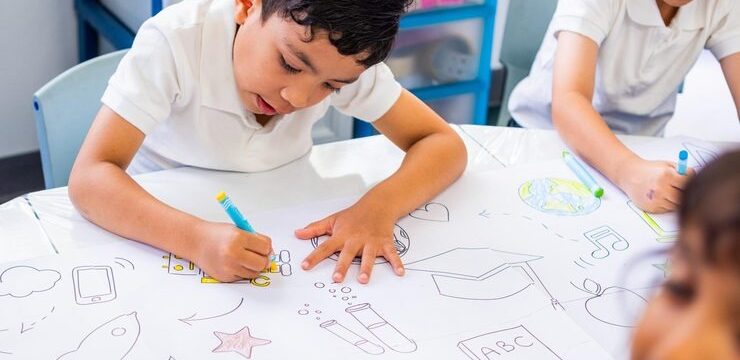
In an inclusive classroom, teachers are not just instructors; they are facilitators of learning. They create a space where students can express themselves freely, ask questions, and explore subjects in ways that resonate with them. This might mean using varied teaching methods, including visual aids, hands-on activities, or collaborative projects. By embracing a variety of learning styles, teachers can engage students more effectively, making education a joyous journey rather than a daunting task.
Understanding the power of flexibility
Flexibility is a cornerstone of inclusive education. It’s about recognizing that one size does not fit all. Flexible learning environments allow students to progress at their own pace, explore their interests, and receive the support they need to flourish. This adaptability can manifest in different ways, such as offering personalized learning plans or incorporating technology to aid in understanding.
For instance, a student who struggles with reading might benefit from audiobooks or interactive reading programs. Meanwhile, another student might excel in a project-based learning environment where they can dive deep into a subject that fascinates them. By accommodating these diverse needs, educators not only enhance the learning experience but also foster a sense of belonging and confidence among students.
The role of collaboration
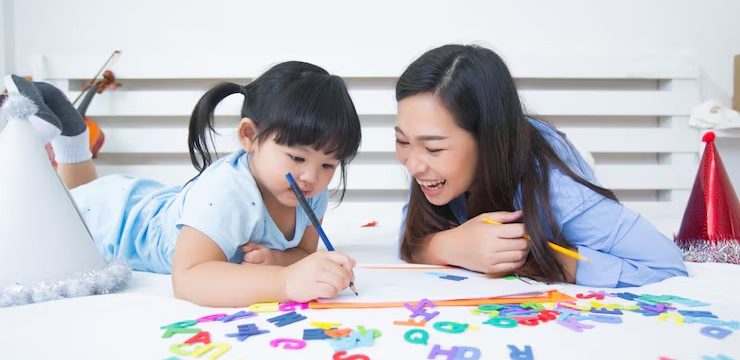
Collaboration plays an essential role in building an inclusive educational framework. It’s not just the responsibility of teachers; it involves parents, caregivers, and the community. Open communication between educators and families can lead to a deeper understanding of each child’s needs, creating a more holistic approach to education.
When parents are actively engaged in their child’s learning journey, it can lead to more tailored support both at home and in school. Schools that encourage parent-teacher partnerships often see better outcomes for students. This collaborative spirit extends beyond the classroom, as communities can come together to support inclusive initiatives, share resources, and celebrate diversity.
Embracing diversity as strength
Diversity is a beautiful aspect of any learning environment. By embracing the differences among students, inclusive education promotes empathy, respect, and understanding. When children learn alongside peers from various backgrounds and abilities, they develop critical social skills that are essential for navigating the world beyond school.
Inclusive classrooms often become melting pots of ideas and perspectives. Students can share their experiences, learn from one another, and cultivate a sense of global citizenship. By fostering an appreciation for diversity, educators are not only preparing students academically but also equipping them with the tools to be compassionate and informed individuals.
Nurturing emotional well-being
Education is not solely about academic achievement; it also encompasses emotional and social development. An inclusive educational environment prioritizes the well-being of students, recognizing that emotional health is foundational to effective learning. When students feel safe and supported, they are more likely to engage with the material and participate actively in their education.
Teachers can help nurture emotional well-being by creating a classroom culture that values kindness and respect. Simple practices, such as morning check-ins or mindfulness activities, can set a positive tone for the day. Moreover, recognizing and addressing the emotional challenges that some students may face is crucial. Providing access to counseling and support services can make a significant difference in a child’s educational journey.
Looking ahead
As we consider the future of education, it’s clear that inclusive practices will become increasingly important. The world is changing, and our approach to learning must evolve alongside it. Technology, globalization, and shifting societal values are reshaping how we think about education. In this dynamic landscape, inclusive education offers a framework that can adapt and thrive.
By prioritizing fairness and flexibility, we can ensure that all students have the opportunity to succeed. This commitment to inclusivity is not just beneficial for those with disabilities; it enriches the educational experience for everyone involved. As we cultivate more inclusive learning environments, we are, in essence, investing in a brighter, more equitable future for all.
In summary, inclusive education is about embracing the richness of diversity and fostering an environment where every student feels empowered to learn and grow. It requires a collective effort from educators, families, and communities to create spaces that are not only welcoming but also adaptable to the unique needs of each child. By championing these principles, we can transform education into a journey of discovery, connection, and shared success, paving the way for a more inclusive society.