Professional success is often associated with major achievements, advanced skills, or ambitious goals.
However, strong professional results are frequently built through small daily practices.
The habits you repeat every day can influence your productivity, communication, focus, and ability to complete important work. By developing a few simple routines and following them consistently, you can improve your performance without dramatically changing your schedule.
One effective practice is starting each day with clear priorities. Before becoming distracted by emails, messages, or other requests, identify the tasks that matter most. Choosing a few high-value priorities gives your day direction and helps ensure that important responsibilities receive enough attention.
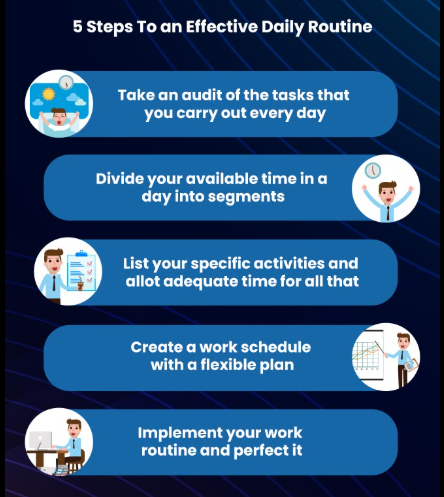
Organizing your schedule is another useful habit. Review your calendar and deadlines at the beginning of the day, then allocate realistic time for focused work, meetings, and administrative tasks. A structured schedule reduces uncertainty and makes it easier to manage competing responsibilities.
Completing important work during your most productive hours can also improve results. Everyone has periods when they feel more alert and focused. If possible, use these periods for demanding activities that require creativity, analysis, or concentration rather than routine tasks.
Avoiding unnecessary multitasking is equally important. Constantly switching between tasks can reduce concentration and increase the time required to complete each activity. Whenever possible, focus on one important task at a time and finish a meaningful portion before moving to something else.
Taking short breaks throughout the day can help maintain performance. Extended periods of continuous work can lead to mental fatigue, making it harder to concentrate and increasing the likelihood of mistakes. Brief breaks provide an opportunity to reset and return to work with renewed attention.
Communication habits also have a major impact on professional results. Respond to important messages clearly and respectfully, confirm expectations when necessary, and avoid unnecessary back-and-forth communication. Clear communication reduces misunderstandings and helps teams work more efficiently.
Keeping your workspace organized can save valuable time. Store documents logically, keep frequently used tools accessible, and maintain a consistent system for managing digital files. Spending a few minutes organizing your workspace at the end of each day can make the next morning easier and more productive.
Learning something new each day can also contribute to long-term professional growth. Spend a small amount of time reading industry information, practicing a skill, reviewing feedback, or exploring a new tool. Consistent learning compounds over time and helps you remain adaptable as your profession changes.
AI-powered productivity tools can support many of these daily practices. AI assistants can prioritize tasks, summarize documents, organize emails, generate meeting notes, schedule reminders, and automate repetitive administrative work. Using AI thoughtfully can reduce time spent on routine activities and create more opportunities for higher-value work.
Reviewing your progress at the end of the day is another valuable practice. Take a few minutes to consider what you accomplished, what remains unfinished, and what should receive attention tomorrow. This simple reflection helps you identify patterns, improve your planning, and maintain momentum.
Protecting your energy is just as important as managing your time. Adequate sleep, regular movement, healthy meals, and reasonable breaks can improve concentration and decision-making. Sustainable professional performance depends on maintaining the physical and mental energy needed to work effectively.
Finally, focus on consistency rather than perfection. You will not have a highly productive day every day, and unexpected challenges are unavoidable. What matters is returning to good habits and continuing to improve. Small actions repeated consistently can have a much greater impact than occasional bursts of intense effort.
Simple daily practices can produce meaningful improvements in professional results. By setting clear priorities, organizing your schedule, focusing on one task at a time, communicating effectively, maintaining an organized workspace, learning continuously, using AI-powered productivity tools, reviewing your progress, and protecting your energy, you can create a more effective professional routine. Over time, these small habits can lead to better performance, greater confidence, and sustainable career growth.