In today’s fast-paced world, where information is at our fingertips, the way we approach education is evolving.
The traditional classroom setting is being supplemented, and sometimes even replaced, by a wealth of digital resources. Among these, educational videos have emerged as a powerful tool for academic improvement. They are not just a source of information; they bring concepts to life in a way that textbooks often cannot.
The accessibility of educational videos allows learners of all ages to explore subjects at their own pace. Whether you are a student struggling with algebra, a parent seeking to support your child’s learning journey, or an adult looking to pick up a new skill, there is likely a video out there tailored to your needs. This vast library of content can help demystify complex topics and provide a fresh perspective on familiar subjects.
Finding your rhythm with videos
The beauty of educational videos lies in their ability to cater to different learning styles. Some individuals are visual learners, thriving on images and demonstrations, while others may find they grasp concepts better through auditory means. Videos can blend these elements seamlessly, offering animations, illustrations, and expert narration that engage the mind and enhance understanding. This multi-sensory approach can be particularly beneficial for students who may struggle with traditional learning methods, creating an opportunity for academic improvement that feels organic and enjoyable.
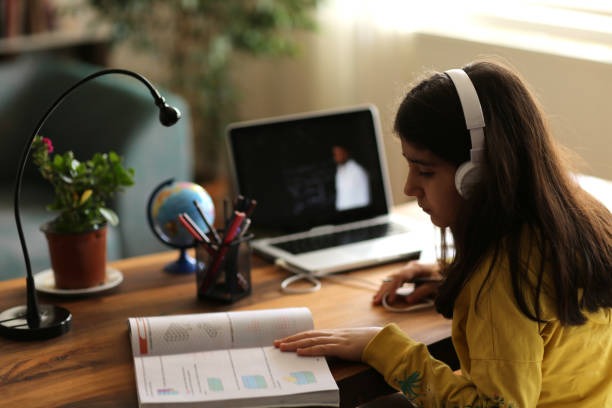
When you sit down to watch an educational video, consider creating a comfortable learning environment. A quiet space, free from distractions, can make a significant difference in how well you absorb the material. Allow yourself to engage with the content fully; take notes, pause to reflect, and don’t hesitate to revisit sections that require deeper understanding. This active participation transforms passive viewing into an interactive learning experience, enhancing retention and comprehension.
Curating a personal library
With platforms like YouTube, Khan Academy, and TED-Ed, the options for educational videos are nearly limitless. However, this abundance can sometimes feel overwhelming. A thoughtful approach to curating your own library of videos can foster a more structured learning experience. Start by identifying specific subjects or skills you wish to focus on, then seek out reputable channels or creators known for their engaging and informative content.
As you explore, pay attention to the style and delivery of the presenters. Engaging speakers who convey passion for their subject can make a significant difference in your motivation to learn. If you find a series of videos that resonate with you, consider following that creator for ongoing inspiration and knowledge. This sense of continuity can create a more cohesive learning path, guiding you through complex subjects step by step.
A small shift toward balance
While educational videos are incredibly beneficial, it’s essential to balance screen time with other forms of learning and engagement. Reading books, participating in discussions, and practicing skills in real-world scenarios complement video learning beautifully. This holistic approach to education fosters a deeper understanding of the material and encourages critical thinking.
For younger learners, integrating educational videos into a broader learning routine can be particularly effective. Consider setting aside dedicated time for video learning, followed by hands-on activities related to the subject. For instance, after watching a video about the water cycle, a fun science experiment can solidify the concepts learned. This balance nurtures a love for learning and helps students see the relevance of what they are studying in their daily lives.
Connecting with others
One of the often-overlooked benefits of educational videos is their potential to foster connection. Whether you’re sharing a video with friends or discussing ideas sparked by a documentary, these resources can serve as a springboard for conversation and collaboration. In educational settings, teachers can use videos to introduce topics, followed by group discussions that allow students to share their insights and questions.
For parents, discussing educational videos with children can create a shared learning experience. Ask open-ended questions about what they learned, encouraging them to articulate their thoughts and feelings. This dialogue not only reinforces the material but also strengthens the bond between parent and child, creating a supportive environment for academic growth.
Embracing lifelong learning
The journey of education doesn’t end in the classroom. Embracing the concept of lifelong learning means recognizing that there is always something new to discover. Educational videos can play a crucial role in this ongoing quest for knowledge. Whether it’s delving into history, exploring new technologies, or picking up a hobby, the right video can ignite curiosity and inspire you to dive deeper.
Consider setting personal learning goals that incorporate educational videos. Perhaps you want to learn a new language, master a musical instrument, or understand the basics of coding. By intentionally seeking out videos that align with your interests, you cultivate a sense of purpose in your learning journey.
In conclusion, educational videos offer a unique and engaging way to enhance academic improvement. They provide a platform for exploration, creativity, and connection, allowing individuals to learn in a manner that suits their personal style. By curating a thoughtful selection of content, balancing video learning with other educational methods, and fostering discussions with others, you can turn the experience into a fulfilling adventure.
As we navigate the ever-changing landscape of education, embracing these digital resources can empower us all to reach new heights in our learning endeavors. So, grab your favorite notebook, find a cozy spot, and let the journey of discovery begin.