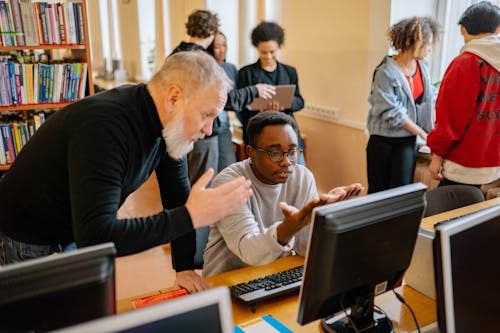
In the ever-evolving world of education, the need for effective formative assessment has never been more crucial.
As educators strive to create enriching learning environments, it’s essential to explore creative classroom activities that not only engage students but also provide valuable insights into their understanding.
This journey into formative assessment can be both enlightening and enjoyable, fostering a sense of community and collaboration among students.
One of the most beautiful aspects of formative assessment is its flexibility. It allows teachers to gauge student learning in real-time, adapting their instruction to meet the needs of each individual. As we delve into some innovative classroom activities, we’ll discover how these methods can transform assessment into a meaningful experience.
A gentle approach to reflection can work wonders in the classroom. Consider incorporating reflective journals into your routine. These journals provide students with a safe space to express their thoughts, feelings, and learning experiences. Encourage them to write about what they’ve learned, how they felt during a particular lesson, or even questions that linger in their minds. This activity not only fosters critical thinking but also helps teachers identify areas where students may need further support. Moreover, sharing selected journal entries in class can spark insightful discussions, creating a warm and inclusive atmosphere.
Another engaging activity is the concept of peer teaching. When students take on the role of the teacher, they often gain a deeper understanding of the material. Pair students up and have them explain a concept to one another. This can be particularly effective in subjects like math or science, where students can work through problems together. As they articulate their understanding, you can observe their grasp of the topic and provide guidance where necessary. This collaborative approach not only enhances comprehension but also builds valuable communication skills.
Storytelling can also serve as a powerful tool for assessment. Encourage students to craft narratives that incorporate the concepts they are learning. This could take the form of a short story, a poem, or even a comic strip. By embedding academic content within creative storytelling, students can demonstrate their understanding in a unique and personal way. Sharing these stories in small groups can create a sense of connection among students, while also allowing you to assess their comprehension in a relaxed setting.
As we explore different avenues for assessment, it’s important to remember the value of hands-on activities. Consider organizing a project-based learning experience where students can apply their knowledge to real-world scenarios. For instance, if you’re teaching about ecosystems, students could design a small garden that reflects the principles of biodiversity. This not only allows them to demonstrate their understanding but also fosters teamwork and problem-solving skills. Plus, the tangible results of their efforts can be incredibly rewarding, reinforcing their learning in a memorable way.
Incorporating technology can also breathe new life into formative assessment. Utilize tools like digital portfolios or interactive quizzes to engage students in their learning journey. Digital portfolios allow students to showcase their work over time, reflecting on their progress and areas for improvement. Interactive quizzes, on the other hand, can provide immediate feedback, making the assessment process dynamic and responsive. These tech-driven approaches can cater to different learning styles, ensuring that every student has the opportunity to shine.
Creating a classroom culture that embraces growth and curiosity is essential. Consider implementing “exit tickets” at the end of a lesson. These simple prompts can ask students to reflect on what they learned, what questions they still have, or how they might apply their knowledge. Collecting these exit tickets gives you a snapshot of student understanding and can inform your future lessons. This practice not only promotes reflection but also encourages students to take ownership of their learning.
As we navigate the landscape of formative assessment, it’s vital to remember the power of art and creativity. Integrating artistic expression into assessment can provide students with an outlet to demonstrate their understanding in a way that feels authentic to them. Perhaps they can create a visual representation of a scientific concept or compose a song that encapsulates a historical event. By allowing students to express their learning through art, you foster a sense of individuality and engagement, making assessment a joyous experience rather than a chore.
Engaging families in the assessment process can also enrich the experience. Consider hosting a “learning showcase” where students can present their projects or findings to their families. This not only allows students to take pride in their work but also creates a community of support around their learning journey. You might be surprised by the conversations that unfold as families engage with their child’s education, reinforcing the connection between home and school.
As we reflect on these creative classroom activities, it becomes clear that formative assessment is not just about measuring knowledge; it’s about nurturing a love for learning. By incorporating a variety of engaging methods, educators can create an environment that celebrates curiosity, creativity, and collaboration. Each activity provides a unique window into student understanding, allowing teachers to adapt their instruction in ways that resonate with their learners.
In conclusion, the journey of formative assessment is one of discovery and growth, both for students and educators. By embracing creativity in the classroom, we can transform assessment into a meaningful, collaborative experience. As we continue to explore new ways to engage our students, let’s remember that the ultimate goal is to foster a love for learning that lasts a lifetime. Through reflection, collaboration, and creativity, we can create a vibrant learning community where every student feels valued and inspired.