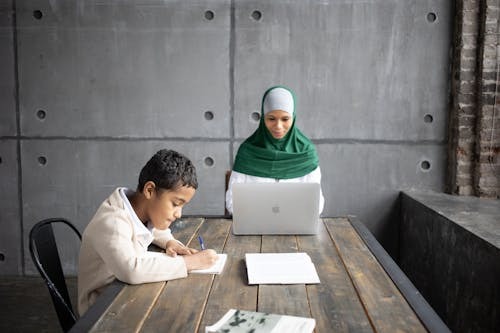
In the ever-evolving landscape of education, the importance of student assessment approaches cannot be overstated.
These methods not only gauge a student’s understanding and progress but also illuminate clear learning paths tailored to individual needs.
As we delve into this topic, it’s essential to consider how these assessments can create a nurturing environment that fosters growth and development.
A gentle exploration of assessment strategies reveals a rich tapestry of possibilities. Traditional methods, such as standardized testing, have long been the norm, but they often fail to capture the full spectrum of a student’s abilities. As educators and learners alike seek more holistic ways to measure understanding, alternative assessment approaches are gaining traction. These methods prioritize a deeper connection between the student and the learning material, fostering a more engaging educational experience.
One promising avenue is formative assessment, which emphasizes ongoing feedback during the learning process. Rather than waiting for the end of a unit to evaluate understanding, formative assessment encourages regular check-ins. These may take the form of quizzes, group discussions, or reflective journals. The beauty of this approach lies in its ability to guide students on their journey, allowing them to identify areas for improvement while celebrating their successes along the way.
Incorporating self-assessment is another powerful strategy that empowers students to take ownership of their learning. When students engage in self-reflection, they develop critical thinking skills and a deeper awareness of their learning processes. By asking questions like, “What did I learn today?” or “How can I apply this knowledge in real life?” students begin to forge their own paths. This sense of agency not only boosts confidence but also encourages a lifelong love of learning.
Peer assessment is yet another enriching approach that fosters collaboration and community among students. When learners assess each other’s work, they gain diverse perspectives and insights that may not have been evident in their own evaluations. This process nurtures a sense of responsibility and accountability, as students recognize that their contributions can positively influence their peers. Moreover, peer feedback can often be more relatable, as students may feel more comfortable discussing challenges and successes with one another.
As we reflect on these varied assessment methods, it’s important to acknowledge the role of technology in enhancing the learning experience. Digital tools offer innovative ways to conduct assessments, making them more interactive and engaging. Online platforms can facilitate quizzes that adapt to a student’s skill level, providing a personalized experience that traditional methods may lack. Additionally, technology enables educators to track progress over time, offering valuable insights into each student’s unique learning journey.
Creating a supportive environment for assessments is crucial. It’s essential to foster a culture that views mistakes as opportunities for growth rather than failures. When students feel safe to take risks, they are more likely to explore new concepts and ideas without the fear of judgment. This nurturing atmosphere can be cultivated through open communication between teachers and students, where feedback is constructive and aimed at encouraging improvement.
As we consider the diverse approaches to student assessment, it’s clear that clarity in learning paths is paramount. When assessments are aligned with learning objectives, students can better understand the skills they need to develop and the knowledge they are expected to acquire. This alignment helps to demystify the learning process, transforming it into a shared journey between educators and learners.
In addition to aligning assessments with educational goals, it’s important to recognize the individual differences among students. Each learner brings unique strengths, challenges, and interests to the table. Tailoring assessments to accommodate these differences not only enhances engagement but also promotes equity in education. By offering varied assessment formats—such as projects, presentations, or creative expressions—educators can provide multiple avenues for students to demonstrate their understanding.
A small shift toward balance can also be beneficial. While assessments are vital for tracking progress, it’s important to ensure they do not overshadow the joy of learning. Integrating creative and experiential learning opportunities can help maintain this balance. For instance, incorporating hands-on projects or real-world applications of knowledge can enliven the learning experience, making it more relatable and enjoyable for students.
As we navigate the complexities of student assessment, it’s essential to remember that the ultimate goal is to support learners in their educational journeys. By adopting a variety of assessment approaches, we can create a more inclusive and effective learning environment. This not only enhances academic performance but also nurtures well-rounded individuals who are prepared to navigate the challenges of the world beyond the classroom.
In conclusion, the landscape of student assessment is rich with potential for fostering clear learning paths. By embracing diverse approaches—such as formative assessments, self-reflection, peer feedback, and technology-enhanced evaluations—we can create a nurturing educational environment. This holistic perspective on assessment not only supports academic growth but also cultivates a love of learning that lasts a lifetime. Ultimately, by prioritizing clarity and understanding, we can empower students to embark on their unique learning journeys with confidence and enthusiasm.