Bringing a new life into the world is one of the most beautiful experiences a parent can have.
As you navigate this incredible journey, understanding your baby’s development can help you appreciate those precious moments and support their growth in meaningful ways.
Here are some key facts about baby development that can guide you through this wondrous time.
The early months of life are filled with rapid changes. In the first few weeks, your newborn is adjusting to the world outside the womb. Their senses are still developing, but they can recognize familiar voices and scents. This is a time when bonding becomes essential. Holding your baby close, talking to them, and responding to their coos and cries fosters a sense of security, laying the foundation for emotional attachment.
As your baby grows, you’ll notice their physical abilities begin to flourish. By around three months, many babies start to gain head control and may even enjoy tummy time, which is crucial for strengthening their neck and shoulder muscles. Encouraging this playtime not only enhances their physical development but also allows them to explore their newfound abilities. Each milestone is a step toward greater independence, so celebrate these moments with gentle encouragement.
A small shift toward balance occurs as your baby approaches six months. They may start to sit up with support and can grasp objects with more precision. This is an exciting phase for both you and your little one. You can engage them with colorful toys or soft books, fostering their cognitive skills while keeping them entertained. It’s also a wonderful time to introduce new tastes and textures as you begin the journey of solid foods. This exploration of flavors can be a delightful experience for your baby, paving the way for healthy eating habits down the line.
Around the nine-month mark, your baby’s development takes another leap. They might start crawling and pulling themselves up to stand. This newfound mobility can be both thrilling and daunting for parents. Creating a safe environment for exploration is crucial at this stage. Encourage their curiosity by allowing them to explore different textures and sounds. Simple household items can become fascinating toys, stimulating their senses and encouraging imaginative play.
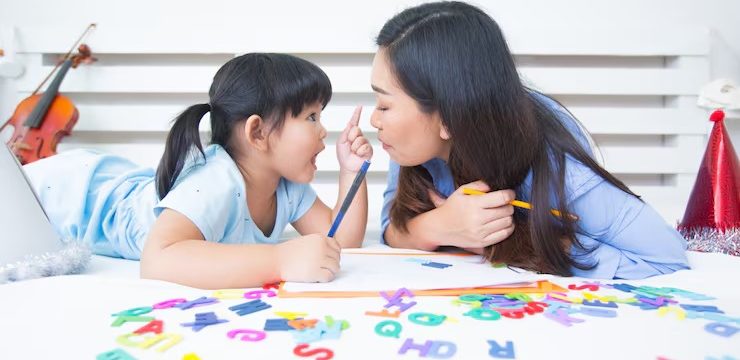
As your baby approaches their first birthday, you’ll notice a remarkable shift in their communication skills. They may begin to say simple words like “mama” or “dada,” and their understanding of language is growing rapidly. Reading to your baby is one of the best ways to enhance their language development. Choose engaging stories with colorful illustrations, and don’t hesitate to use different voices for characters. This interaction not only promotes language skills but also fosters a love for reading that can last a lifetime.
Emotional development is equally important as physical and cognitive growth. As your baby becomes more aware of their surroundings, their social skills begin to blossom. They may show preferences for certain people and can express a range of emotions, from joy to frustration. Responding to your baby’s emotional cues is vital. A comforting presence can help them navigate their feelings, reinforcing the bond between you and your child.
As the second year approaches, your toddler will become more adventurous, testing boundaries and seeking independence. This is a time of exploration and discovery, which can sometimes lead to frustration for both parent and child. Patience and understanding are key during this stage. Encouraging your toddler to express themselves, whether through words or gestures, can help them feel more secure as they navigate their emotions and desires.
Play becomes an essential aspect of your toddler’s development. Engaging in imaginative play not only fosters creativity but also enhances problem-solving skills. Simple activities, such as building with blocks or playing pretend, can provide your child with a safe space to explore their ideas and learn about the world around them. This playful exploration is not just fun; it is a crucial part of their cognitive and social development.
As your child grows beyond the toddler stage, the pace of development continues to evolve. The preschool years are filled with opportunities for learning through play, social interactions, and structured activities. This is when they begin to develop a sense of self and their place in the world. Encouraging friendships and cooperative play can help your child build social skills and emotional intelligence, which are essential as they prepare for school and beyond.
Throughout these early years, it’s important to remember that every child develops at their own pace. While milestones can provide a helpful framework, comparisons can often lead to unnecessary stress. Trust your instincts as a parent and focus on nurturing your child’s unique journey. Your support, love, and encouragement are the greatest gifts you can give.
As you reflect on these baby development facts, take a moment to appreciate the incredible journey you and your child are on together. The early years are fleeting, filled with laughter, tears, and countless memories. Embrace each stage with an open heart, and remember that the love and connection you cultivate will last a lifetime. Your presence and involvement in your child’s life are the cornerstones of their development, guiding them as they grow into their own unique person. Enjoy this adventure, for it is one of life’s most rewarding experiences.