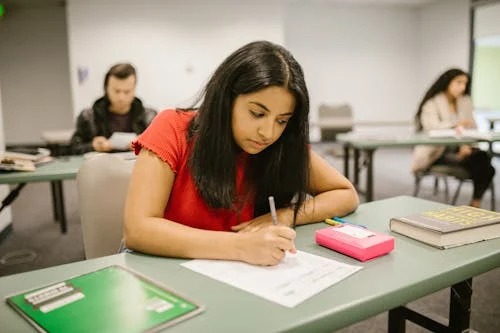
In the journey of education, student assessment often feels like a daunting mountain to climb.
For many students, assessments can evoke a whirlwind of emotions ranging from anxiety to uncertainty.
However, what if we viewed assessments not as obstacles but as bridges to academic confidence? By shifting our perspective, we can transform the way we approach these evaluations and, in turn, enhance our overall educational experience.
Assessments are more than just numbers on a paper or grades on a transcript. They serve as a reflective mirror, offering insights into a student’s understanding and mastery of a subject. When approached with the right mindset, they can illuminate strengths and highlight areas for growth. This understanding is crucial in fostering a sense of academic confidence.
A small shift toward balance can make a significant difference in how students perceive assessments. Instead of fixating on the outcome, it’s beneficial to focus on the process. Each assessment is an opportunity for self-discovery, allowing students to identify their learning styles and preferences. This self-awareness is a vital component of academic confidence. When students recognize how they learn best, they can tailor their study habits to align with these insights, leading to improved performance and a more enjoyable learning experience.
Encouraging a growth mindset is another essential element in building confidence through assessments. When students view challenges as opportunities for growth rather than threats to their self-worth, they become more resilient. This perspective allows them to embrace the learning process, knowing that each assessment is a stepping stone rather than a definitive judgment of their abilities. It’s about understanding that mistakes are a natural part of learning, and every misstep can lead to greater understanding and mastery.
Creating a supportive environment is equally important in this journey. Whether at home or in the classroom, students thrive when they feel encouraged and supported. Open conversations about assessments can help demystify the process. Parents and educators can play a pivotal role by discussing the purpose of assessments and normalizing the feelings that often accompany them. When students hear that it’s okay to feel nervous or uncertain, they realize they are not alone. This sense of community can foster a more relaxed atmosphere, allowing students to approach assessments with a clearer mind and a more open heart.
Moreover, celebrating small victories along the way can significantly enhance a student’s self-esteem. It’s easy to focus on the grades that fall short of expectations, but recognizing progress, no matter how minor, can contribute to a more positive outlook. Whether it’s mastering a challenging concept or improving on a previous score, acknowledging these achievements reinforces the idea that growth is a journey, not a destination.
Incorporating reflective practices can also bridge the gap between assessment and confidence. After completing an assessment, students can take a moment to reflect on their performance. What went well? What could be improved? This practice not only encourages self-assessment but also promotes critical thinking skills. By understanding their own learning processes, students can develop personalized strategies for future assessments. This kind of reflection nurtures a deeper connection to their education, creating a cycle of continuous improvement and self-empowerment.
Furthermore, the role of educators in this journey cannot be overstated. Teachers who provide constructive feedback rather than mere grades create an environment where students feel safe to explore and express their understanding. Feedback should be a tool for growth, guiding students toward a clearer understanding of their strengths and areas for improvement. When students receive thoughtful insights, they begin to see assessments as collaborative experiences rather than isolated evaluations.
As students become more confident in their abilities, the impact of this newfound self-assurance can extend beyond academics. Confidence in the classroom often translates to confidence in other areas of life. Students who believe in their academic capabilities are more likely to engage in extracurricular activities, participate in discussions, and take on leadership roles. This holistic growth reinforces the importance of viewing assessments as integral components of a larger educational experience.
Ultimately, the journey toward academic confidence through assessments is a personal one. Each student will navigate this path in their own unique way, influenced by their experiences, support systems, and individual learning styles. By fostering a positive relationship with assessments, we create a nurturing space where students can grow, learn, and thrive.
In conclusion, student assessment can serve as a bridge to academic confidence when approached with the right mindset and support. By recognizing assessments as opportunities for growth, encouraging a supportive environment, and celebrating small victories, we can help students transform their relationship with evaluation. As they build confidence in their academic abilities, they also cultivate resilience and a love for lifelong learning. In this way, assessments become not just a measure of knowledge but a vital part of the journey toward self-discovery and empowerment in education.