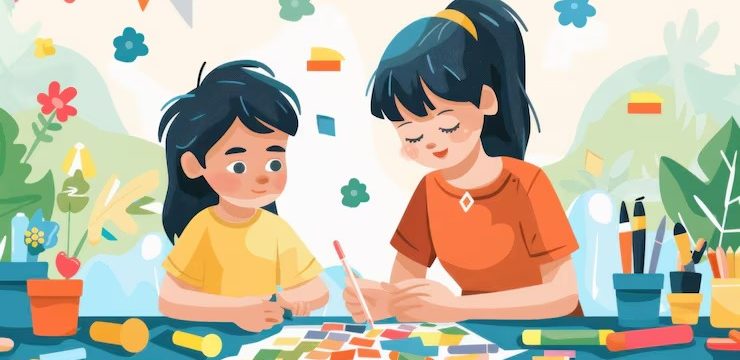
Color is often seen as a mere embellishment in the world of animation, a decorative element that enhances visual appeal.
However, when we delve deeper, we find that color palettes play an essential role in shaping animated narratives, influencing emotions, and guiding viewers through the story.
This subtle yet powerful tool can evoke feelings, create atmospheres, and establish connections between characters and their environments. As we explore the fascinating interplay of color and animation, we can appreciate how a thoughtful palette can transform a simple story into a rich, immersive experience.
Imagining a world without color seems almost impossible. It surrounds us in our daily lives, shaping our perceptions and experiences. In animation, color can do even more—it can act as a language of its own. Each hue carries its own connotations, and animators often use this to their advantage. For instance, warm colors like reds and oranges can create feelings of excitement or passion, while cooler shades such as blues and greens often evoke calmness and serenity. The careful selection and combination of these colors can help set the emotional tone of a scene, guiding the viewer’s reactions and understanding.
Consider the opening scenes of a beloved animated film. The colors chosen for the backdrop and characters can establish the mood before a single line of dialogue is spoken. A vibrant, sunlit palette might suggest a joyful adventure awaits, while a dark, muted scheme could hint at impending challenges. This visual storytelling complements the narrative, adding depth to the characters and their journeys. Through color, animators can express themes of hope, despair, love, and conflict, enriching the overall narrative without the need for explicit words.
A small shift toward balance is often achieved through complementary colors. By juxtaposing contrasting hues, animators can highlight key moments in a story. For example, a character dressed in bright colors against a dark background can draw attention, emphasizing their importance in a particular scene. This technique not only enhances visual appeal but also reinforces the narrative by signaling to the audience where to focus their attention.
Moreover, color can serve as a character in its own right. In some animations, specific colors are associated with particular characters, helping to establish their personalities and emotional arcs. A character clad in soft pastels may be perceived as gentle and nurturing, while one adorned in bold, saturated colors might come across as fierce and adventurous. This visual shorthand allows viewers to connect with characters on a deeper level, fostering empathy and understanding as the story unfolds.
The evolution of a color palette throughout a narrative can also signify character development or thematic shifts. As a story progresses, a character’s environment may transition from bright, cheerful colors to darker, more subdued tones, mirroring their internal struggles or growth. This transformation can subtly convey the complexities of the narrative, allowing viewers to witness change without overt exposition. It’s a testament to the power of color, demonstrating how it can encapsulate a character’s journey in a visually engaging manner.
In the realm of animation, cultural influences play a significant role in color choices. Different cultures attribute varying meanings to colors, and animators often draw upon these associations to enhance storytelling. For instance, while red may signify love and passion in some cultures, it could represent danger or warning in others. By understanding these nuances, animators can create more relatable and resonant narratives that speak to global audiences, bridging cultural divides through the universal language of color.
As we explore the intricacies of color in animation, it’s essential to acknowledge the collaborative nature of this art form. Directors, animators, and colorists work in tandem to craft a cohesive visual story. Their combined expertise ensures that the emotional resonance of color is fully realized, with each frame meticulously designed to enhance the narrative. This collaboration fosters a shared vision, where color becomes an integral part of the storytelling process rather than a mere afterthought.
The impact of color palettes extends beyond the screen, influencing how audiences engage with animated narratives. A well-crafted color scheme can linger in viewers’ minds long after the credits roll, evoking emotions and memories associated with the story. This lasting impression speaks to the power of color as a narrative device, shaping not only the immediate experience of watching but also the enduring connection to the characters and themes.
In an ever-evolving landscape of animation, the role of color palettes continues to expand. With advancements in technology, animators can explore new techniques and styles, pushing the boundaries of how color is used. From hand-drawn classics to cutting-edge 3D animations, the possibilities are endless. This creative freedom allows for innovative storytelling, where color can be manipulated in ways that enhance the viewer’s immersive experience.
As we reflect on the ways color palettes shape animated narratives, it becomes clear that they are more than just aesthetic choices. They are powerful tools that communicate emotions, establish atmospheres, and deepen connections between characters and audiences. By understanding the significance of color, we can appreciate the artistry behind animation on a whole new level.
In essence, the next time you find yourself captivated by an animated film or series, take a moment to consider the colors at play. Notice how they influence your feelings and perceptions, guiding you through the story’s highs and lows. Color, in its myriad forms, enriches our viewing experience, transforming simple narratives into vibrant, emotional journeys that resonate long after the final scene. Through thoughtful palettes and creative choices, animators invite us into their worlds, where color breathes life into every frame, and stories come alive in the most beautiful of ways.