Understanding Early Problem-Solving Skills
In the tapestry of human development, early problem-solving skills weave a crucial thread.
From the moment a child encounters their first challenge, whether it’s figuring out how to fit a square block into a round hole or learning to share toys with a sibling, they embark on a journey filled with exploration and discovery.
These early experiences play a vital role in shaping not only their cognitive abilities but also their emotional intelligence and social skills.
The foundation for problem-solving begins in infancy. Babies are naturally curious, and their desire to understand the world around them sparks the very first attempts at solving problems. When a little one reaches for a toy just out of reach, they are not only exercising their motor skills but also engaging in a form of problem-solving. They may try to crawl, roll, or even ask for help, showcasing their ability to think creatively and adapt to new situations.
As children grow into toddlers, their problem-solving skills become even more pronounced. This stage is marked by a newfound sense of independence. Toddlers often face dilemmas that require them to think critically. For example, when they want a snack but cannot open the cupboard, they might experiment with different strategies. Perhaps they’ll drag a chair over to reach the higher shelf or enlist the help of an older sibling. Each small victory reinforces their confidence and encourages them to tackle more complex challenges in the future.
Encouraging exploration is vital during these formative years. Children thrive in environments where they feel safe to experiment and make mistakes. When parents and caregivers provide opportunities for open-ended play, children learn to approach problems from various angles. Building blocks, puzzles, and even simple household tasks can invite them to engage their minds and develop solutions. The act of trial and error becomes a natural part of their learning process, fostering resilience and adaptability.
A gentle shift toward balance can enhance these skills even further. As children navigate their surroundings, they often encounter social situations that require problem-solving. For instance, during playdates, conflicts may arise over toys or games. Here, children learn not only to negotiate but also to empathize with others. They begin to understand that different perspectives exist, and finding common ground often involves creative thinking. Parents can guide these interactions by modeling effective communication and conflict-resolution strategies, nurturing a sense of cooperation and understanding.
Moreover, the role of storytelling cannot be underestimated in developing problem-solving skills. Children love stories, and through them, they encounter a myriad of challenges faced by characters. Whether it’s a brave hero overcoming obstacles or a clever rabbit outsmarting a fox, these narratives allow children to explore solutions in a safe context. Discussing these stories with children can spark their imagination, prompting them to think about what they would do in similar situations. This imaginative play is a powerful tool for fostering critical thinking and creativity.
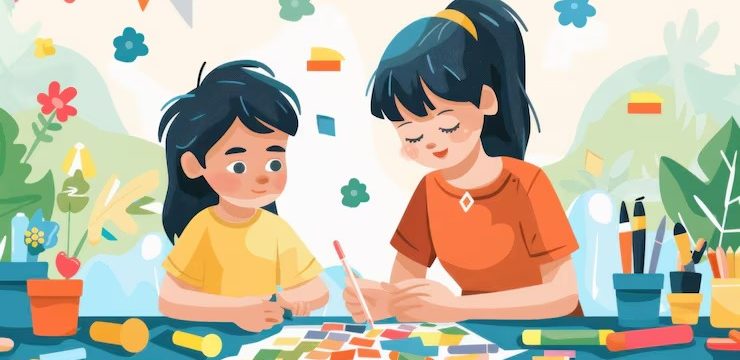
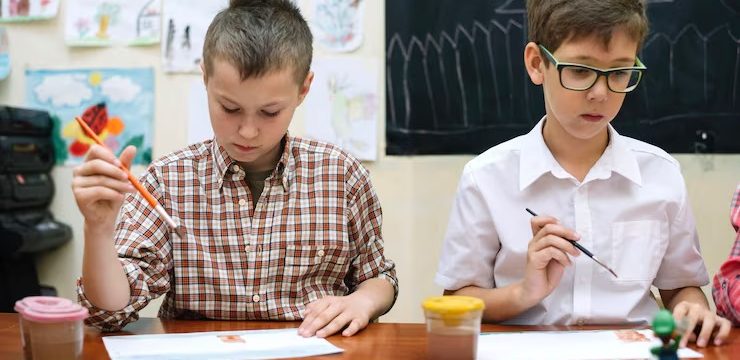
As children transition into preschool and kindergarten, their problem-solving abilities continue to evolve. This period is often characterized by a greater emphasis on structured learning. Educators play a significant role in nurturing these skills through collaborative activities and group projects. Children learn to work together, share ideas, and brainstorm solutions. These experiences not only enhance their cognitive skills but also instill a sense of teamwork and community.
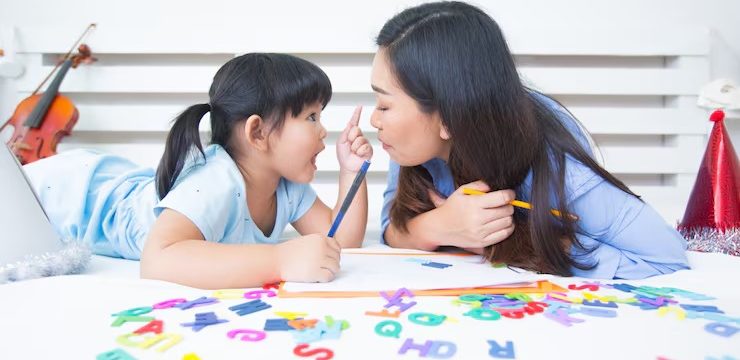
Parents can support their children during this time by engaging in conversations about problem-solving. Asking open-ended questions encourages children to articulate their thoughts and reasoning. For example, if a child is struggling with a math problem, instead of providing the answer, a parent might ask, “What do you think you could try next?” This approach empowers children to take ownership of their learning and reinforces their confidence in their abilities.
As children grow, the challenges they face become increasingly complex. However, the foundational problem-solving skills they developed in their early years will serve them well throughout their lives. Learning to approach challenges with a positive mindset can lead to greater resilience in the face of adversity. Embracing a growth mindset, where mistakes are seen as opportunities for learning rather than failures, is a valuable lesson that can last a lifetime.
In a world that often prioritizes quick answers and instant gratification, fostering patience and perseverance in young problem-solvers is essential. Parents and educators can create environments where the process of finding solutions is celebrated. When children see that their efforts and thought processes are valued, they are more likely to engage deeply and persist in the face of challenges.
As we reflect on the importance of early problem-solving skills, it becomes clear that these abilities extend far beyond academic success. They prepare children for the complexities of life, instilling a sense of agency and confidence. The journey of learning to solve problems is one that shapes character, encourages empathy, and fosters a lifelong love for learning.
In conclusion, nurturing early problem-solving skills is a beautiful and rewarding endeavor. By creating supportive environments that encourage exploration, communication, and creativity, we can help children navigate their world with confidence and resilience. As they grow, these skills will not only empower them to tackle challenges but also enrich their relationships and experiences, guiding them toward a fulfilling and successful life. Embracing the journey of problem-solving together can be a joyful experience, one that lays the groundwork for a brighter future.