In a world that often emphasizes competition and achievement, it can be easy for children to overlook the power of encouragement.
Teaching kids to uplift one another can create a ripple effect of positivity, transforming their social circles and fostering a sense of community.
Encouragement is not just a kind gesture; it’s a vital skill that nurtures empathy, resilience, and emotional intelligence.
Here, we explore how to inspire children to offer encouragement to their peers, creating a more supportive environment for everyone.
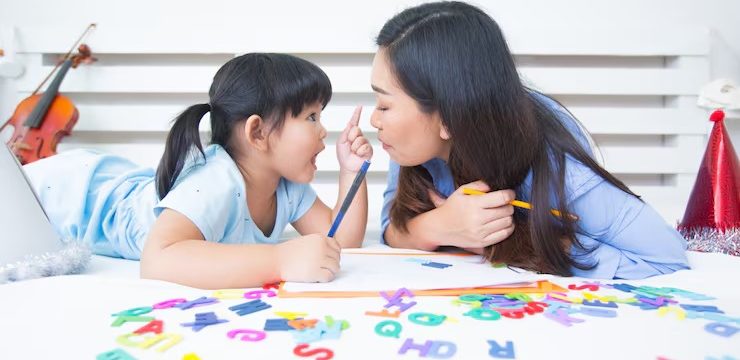
A gentle reminder of the importance of words can go a long way. Children often absorb the behaviors and attitudes of those around them, so modeling encouraging language is essential. When adults express support and positivity, children are more likely to mirror those sentiments. Simple phrases like “You did a great job!” or “I believe in you!” can instill a sense of confidence in children, prompting them to share similar affirmations with their friends. This nurturing atmosphere not only boosts self-esteem but also cultivates a culture of kindness.
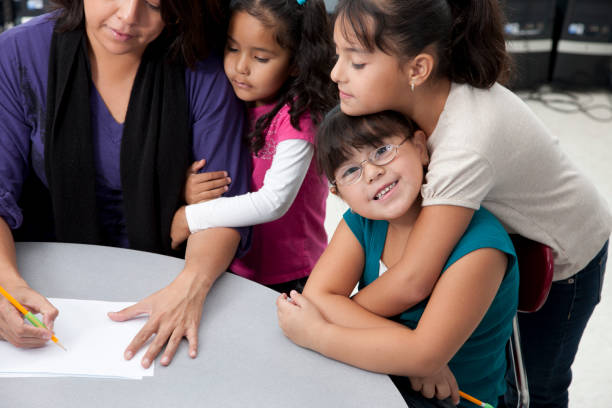
Creating opportunities for kids to practice encouragement can be both fun and effective. Consider incorporating activities that promote teamwork and collaboration. Group projects or team sports are excellent avenues for children to witness the impact of their words. When they see how encouragement can elevate a teammate’s spirit, they’re more likely to adopt this behavior themselves. Encourage them to offer compliments or express gratitude during these activities. The more they practice, the more natural it will become.
A supportive environment at home can also play a crucial role in shaping a child’s attitude towards encouragement. Regular family discussions about feelings and experiences can help children understand the significance of uplifting one another. Sharing stories about times when encouragement made a difference in your life can inspire them to do the same. This exchange not only reinforces the value of encouragement but also strengthens family bonds, making it easier for children to express their thoughts and feelings.
Encouraging kids to recognize the achievements of others, no matter how small, can foster a sense of appreciation. Teach them to celebrate the little victories—a friend mastering a new skill or someone bravely trying something new. By highlighting these moments, you can help children learn that encouragement doesn’t always have to be grand or dramatic. Sometimes, a simple acknowledgment can mean the world to someone feeling uncertain.
Incorporating storytelling into your approach can also be a powerful tool. Children are naturally drawn to stories, and they can serve as valuable lessons. Share books or tales where characters uplift one another, showcasing the impact of kind words and supportive actions. Discuss the stories afterward, prompting your child to reflect on how they would feel in similar situations. This not only reinforces the message but also encourages deeper empathy and understanding.
As children grow, it’s vital to help them understand that encouragement is a two-way street. Teaching them to both give and receive encouragement can enrich their social interactions. Encourage them to seek support when they need it, just as they offer it to others. This practice can build resilience and teach them that vulnerability is not a weakness but a strength.
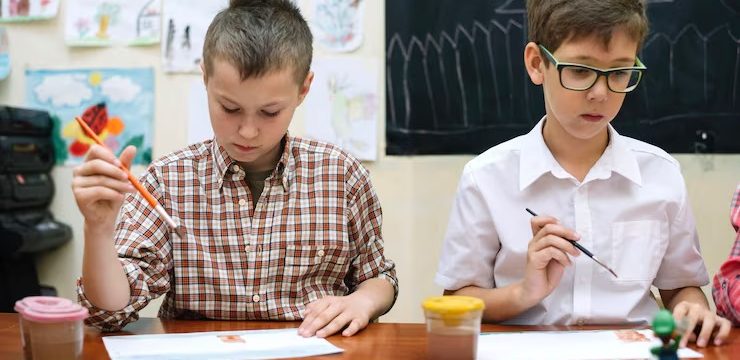
Creating a culture of encouragement can also extend to the classroom. Teachers play a pivotal role in shaping children’s attitudes, so collaborating with educators can amplify your efforts. Discussing the importance of encouragement with teachers and exploring ways to incorporate it into daily lessons can create a more supportive environment for all students. Encouraging peer feedback and positive reinforcement in the classroom can help children experience the benefits of encouragement firsthand.
Sometimes, children may feel unsure about how to express encouragement. In these moments, gentle guidance can be invaluable. Encourage them to think about what they appreciate in their friends or classmates. Simple prompts like “What do you admire about your friend?” or “What made you smile today?” can help them articulate their feelings. With practice, they will find their own voice in offering encouragement, making it a natural part of their interactions.
As parents and caregivers, it’s essential to be aware of the language we use around our children. Praise should be specific and sincere, focusing on effort rather than just outcomes. Instead of saying, “You’re so smart,” consider saying, “I’m really proud of how hard you worked on that project.” This approach not only encourages children to appreciate their efforts but also teaches them to recognize the same in others.
A small shift toward balance in how we communicate can also make a significant difference. Encourage children to offer constructive feedback along with their encouragement. This dual approach can help friends grow while still feeling supported. Teaching children to phrase feedback positively—such as “I think you could improve by trying this approach”—can help them navigate social interactions with grace.
In the end, fostering a culture of encouragement among children isn’t just about making them feel good; it’s about equipping them with essential life skills. As they learn to uplift one another, they also build resilience and empathy, which will serve them well throughout their lives. The more we nurture these qualities, the brighter our future becomes, filled with individuals who are not just achievers but also compassionate supporters.
Encouraging kids to offer encouragement to others can profoundly impact their lives and the lives of those around them. By modeling supportive behavior, creating opportunities for practice, and fostering open communication, we can help children develop into kind, empathetic individuals. In a world that can sometimes feel disconnected, these small acts of kindness can create meaningful connections, cultivating a sense of belonging and community. Let’s inspire our children to be the champions of encouragement, one kind word at a time.