Recognizing Early Coordination Milestones
As we journey through the incredible world of childhood development, one of the most captivating aspects is the emergence of coordination skills.
From the moment a tiny hand reaches for a rattle to the first wobbly steps taken, these milestones are not just markers of growth; they are windows into a child’s evolving connection with their environment.
Understanding these early coordination milestones is essential for parents and caregivers, as it allows them to support and celebrate each step of this beautiful journey.
The first few months of life are filled with astonishing changes. During this period, a baby’s movements are largely reflexive, yet there is a growing awareness of their body and surroundings. As they start to gain control over their movements, you may notice their ability to grasp objects. This is often the first sign of developing hand-eye coordination. When a baby reaches out to touch a colorful toy, they are not just playing; they are learning to connect what they see with what they can do. This simple act of reaching lays the groundwork for more complex movements in the future.
As babies progress into their second half of the first year, the world around them becomes increasingly enticing. You may observe them rolling over, sitting up, and even beginning to crawl. Each of these actions is a significant milestone, indicating a growing ability to coordinate movements. For instance, the act of crawling is not just about moving from one place to another; it requires a harmonious coordination of limbs and balance. Parents can support this stage by providing a safe space for exploration, allowing their little ones to practice and refine these emerging skills.
A small shift toward balance occurs as toddlers begin to stand and take their first steps. This stage is often filled with excitement and a hint of nervousness. The thrill of witnessing a child take those tentative first steps is unparalleled. It is a moment that encapsulates both triumph and the inevitable tumbles that may follow. Each stumble is a lesson in balance and coordination, a natural part of the learning process. Encouraging a child during this time, whether through gentle words of support or creating a safe area for practice, can enhance their confidence and desire to explore.
As toddlers grow into their early years, the coordination skills they have developed continue to blossom. You may notice them becoming more adept at activities like throwing a ball or stacking blocks. These seemingly simple tasks are rich with opportunities for learning. Throwing a ball, for instance, involves timing, aim, and the ability to judge distance—all crucial components of coordination. Observing a child engage in these activities can be a delightful reminder of the joy found in play and the importance of movement in their development.
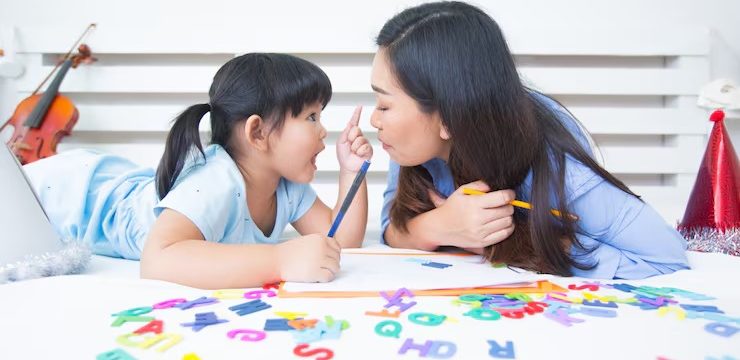
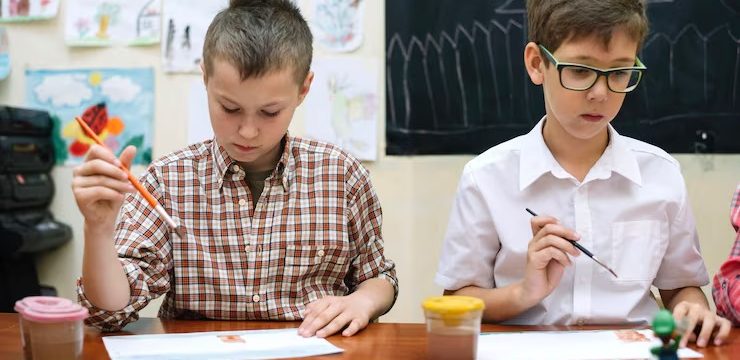
The transition from toddlerhood to early childhood often brings greater complexity in coordination. Children might begin to engage in activities that involve fine motor skills, such as drawing or using scissors. These skills require a different kind of coordination, one that involves precision and control. As parents, providing opportunities for creative expression through art or simple crafts can foster not only fine motor skills but also a sense of accomplishment. Watching a child proudly display their artwork is a testament to their growing abilities and creativity.
It’s important to remember that each child’s journey is unique. While some may reach these milestones ahead of schedule, others may take their time. This variation is entirely normal, and understanding this can help alleviate any concerns. Creating an environment that celebrates progress, no matter how small, fosters a positive atmosphere for learning. Engaging with children in activities that promote coordination, such as dancing, playing catch, or even simple chores like sorting objects, can be both fun and beneficial.
As children continue to grow, their coordination skills often intertwine with social interactions. Group games and activities not only promote physical skills but also enhance social development. Whether it’s playing tag in the backyard or participating in team sports, these experiences teach children about cooperation, sharing, and the joy of movement with others. Encouraging participation in these activities can help children develop not just their coordination but also lifelong friendships and a sense of belonging.
In recognizing these early coordination milestones, parents and caregivers play a pivotal role in shaping a child’s development. It’s about more than just physical skills; it’s about nurturing confidence and curiosity. Each milestone achieved is a stepping stone toward greater independence and self-assurance. Celebrating these moments, whether through a simple high-five or a heartfelt cheer, reinforces the importance of these experiences.
As you reflect on your child’s journey, remember that the path to coordination is a beautiful tapestry woven from exploration, play, and connection. By being present and engaged, you can help cultivate an environment that not only recognizes these milestones but also cherishes the joy of movement and discovery. In this way, each small step taken is not just a milestone; it is a celebration of growth, resilience, and the wonderful adventure of childhood.