Understanding feelings in others is a crucial life skill that not only enriches our relationships but also fosters a sense of community and empathy.
As parents and caregivers, we play a vital role in guiding children through this often complex emotional landscape.
Helping kids grasp the nuances of others’ feelings can empower them to form deeper connections, navigate social situations with grace, and develop a strong sense of compassion that will serve them throughout their lives.
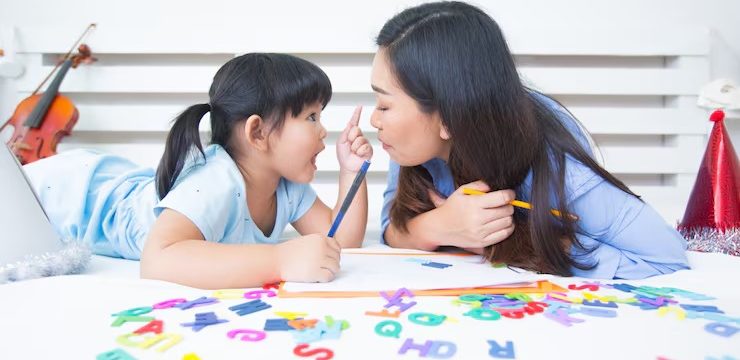
The foundation of emotional understanding begins with awareness. Young children often see the world through a lens that is predominantly focused on their own feelings and experiences. While this self-centered perspective is a necessary part of their development, it’s essential to gently introduce them to the idea that others have feelings too. This can be as simple as discussing emotions during everyday activities.
For instance, while reading a storybook, pause to ask your child how they think a character might feel in a given situation. This encourages them to step outside their own shoes and consider the emotions of others. Questions like, “Why do you think the bear is sad?” or “How would you feel if you were in that situation?” can spark meaningful conversations. By inviting children to reflect on the feelings of characters, you help them build a bridge to understanding real-life emotions.
As children grow, their social interactions expand, and so does the complexity of emotions they encounter. This is the perfect time to introduce the concept of emotional vocabulary. Words like “frustrated,” “disappointed,” and “excited” can help children articulate what they observe in others. When they learn to identify and express these feelings, they become more adept at recognizing them in their peers.
A small shift toward balance can occur when we model emotional awareness ourselves. Children are keen observers, often picking up on the emotions of adults around them. When we openly express our feelings, whether it’s joy, sadness, or frustration, we provide a real-life context for children to understand emotional responses. Sharing moments when you felt happy or when you faced a challenge can offer valuable lessons about resilience and empathy.
Creating a safe space for children to share their feelings is also crucial. Encourage open dialogues about emotions at home. You might set aside a few minutes each day to ask your child about their day, focusing on how they felt during different moments. This not only helps them articulate their own emotions but also teaches them to ask the same of others. When they learn to inquire about their friends’ feelings, it fosters a sense of connection and understanding.
Engaging in role play can also be an effective tool for helping kids understand the feelings of others. By acting out different scenarios, children can explore various emotional responses in a playful setting. For example, you might create a situation where one character feels left out at a party. Encourage your child to think about how that character might feel and what they could do to help. This hands-on approach not only makes learning fun but also reinforces empathy in a tangible way.
As children navigate their social circles, they will inevitably encounter conflicts. These moments can be perfect opportunities to teach emotional understanding. Instead of simply instructing them on what to do when disagreements arise, guide them to reflect on the feelings involved. Ask questions like, “How do you think your friend felt when that happened?” or “What do you think you could say to help them feel better?” This can help develop their problem-solving skills while reinforcing the importance of considering others’ emotions.
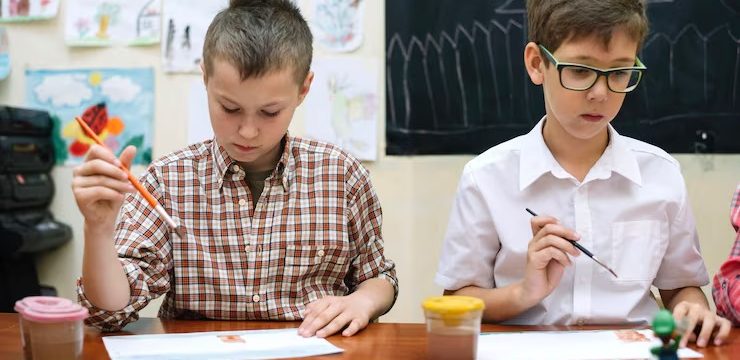
Another gentle way to deepen emotional understanding is through art. Creative activities provide an outlet for expressing feelings and can also serve as a means to explore the emotions of others. Encourage your child to draw or paint scenes that depict various emotional states or even create stories that highlight different feelings. This not only nurtures their creativity but also allows them to process emotions in a healthy way.
As children become more aware of the feelings of others, it’s important to celebrate their progress. Acknowledging their efforts in understanding emotions reinforces that this is a valuable skill to cultivate. When they show empathy or kindness, offer praise and encouragement, noting how their actions positively affected someone else. This affirmation can motivate them to continue developing their emotional intelligence.
Incorporating lessons about feelings into everyday life can also be done through media. Movies, television shows, and even video games often present characters facing various emotional challenges. Discuss these moments with your child, encouraging them to reflect on what they witnessed. How did the characters show their feelings? What could they have done differently? These conversations not only enhance understanding but also create a shared experience that can strengthen your bond.
As we guide our children in understanding the feelings of others, it’s essential to remember that this is an ongoing journey. Emotional intelligence is not something that is mastered overnight; it requires patience, practice, and support. By fostering an environment where feelings are acknowledged and discussed, we help children build a toolkit they can carry with them throughout their lives.
In a world that can often feel disconnected, teaching kids to understand and empathize with others is a precious gift. It encourages kindness, compassion, and a sense of belonging—qualities that enhance not only their lives but also the lives of those around them. As we nurture these skills, we pave the way for a future filled with deeper connections and understanding, ultimately creating a more empathetic world for everyone.