Friendship is a beautiful journey that begins in childhood.
As parents, caregivers, and mentors, we often find ourselves wondering how to encourage our little ones to connect with others.
One of the most effective ways to foster these connections is through shared interests.
When children discover common ground with their peers, they not only forge friendships but also learn valuable social skills that will serve them throughout their lives.
Finding common interests is a natural way for children to engage with one another. Whether it’s a love for dinosaurs, a passion for painting, or an enthusiasm for soccer, these shared interests provide a foundation for friendships to blossom. Imagine your child walking into a park filled with kids, and instead of feeling shy or unsure, they spot a group animatedly discussing their favorite superheroes. Instantly, they feel a pull toward that group, an invitation to join in.
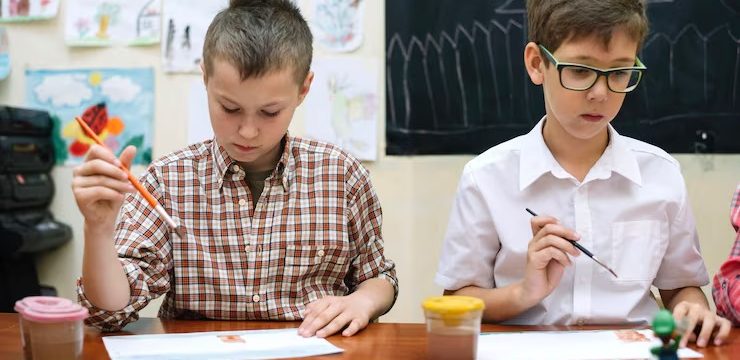
Creating opportunities for your child to explore different activities is essential in this process. Enroll them in classes that spark their curiosity, whether it’s dance, music, art, or sports. These environments are rich with potential friendships waiting to be formed. When children engage in activities they love, they are more likely to meet others who share that passion. The joy of learning something new becomes even more rewarding when experienced with friends.
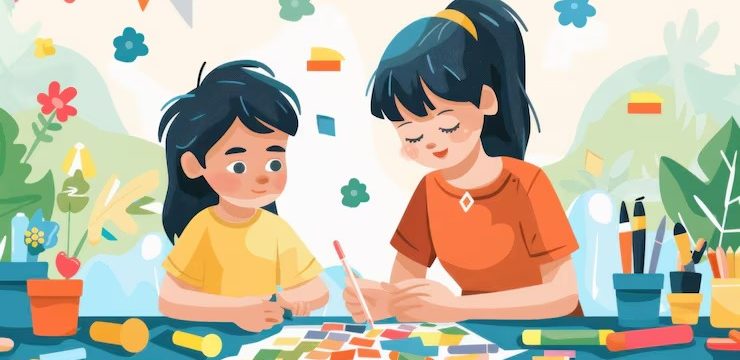
It’s also beneficial to encourage your child to express their interests openly. Teach them the value of sharing their hobbies with others. When they talk about what excites them, it can be an open invitation for others to join in. For example, if your child loves to draw, they might invite a classmate to color together. This simple act of sharing can lead to an engaging conversation and, ultimately, a budding friendship.
A gentle nudge toward socialization can sometimes be all that’s needed. If your child tends to be more reserved, consider arranging playdates or small gatherings focused on their interests. This can create a comfortable environment where they can interact with peers in a more intimate setting. If they love animals, for instance, a visit to a local petting zoo with a friend can spark conversations and laughter, making it easier for them to connect.
As children grow, their interests may evolve, and that is perfectly natural. Encourage your child to remain open to exploring new activities and hobbies. This not only broadens their horizons but also increases their chances of meeting diverse groups of friends. Perhaps they start with soccer and later discover a love for coding or cooking. Each new interest can lead to different social circles and opportunities for connection.
In today’s digital age, technology can also play a role in fostering friendships through shared interests. Online platforms and communities can introduce children to peers who share their passions. However, it’s essential to guide them in navigating these spaces safely and mindfully. Encourage them to engage in activities that promote positive interactions, such as online gaming with friends or joining a virtual art class. These platforms can serve as an extension of their social lives, allowing them to maintain friendships even when they can’t meet in person.
While shared interests are a great starting point, teaching children the value of empathy and kindness is equally important. Friendships thrive on understanding and respect. Discuss with your child the importance of listening to others and being open to different perspectives. Encourage them to support their friends’ interests as well, even if they don’t share the same passion. This mutual respect can deepen bonds and create a more inclusive environment.
It’s also crucial to model positive social behavior. Children learn a great deal from observing the adults around them. Show them how to engage in conversations, how to ask questions, and how to show genuine interest in others. When they see you connecting with friends or acquaintances, they are more likely to mimic that behavior. Simple acts, such as smiling at someone new or initiating a conversation, can make a significant difference in how children approach social situations.
Navigating the complexities of friendship can sometimes be challenging. It’s natural for children to experience ups and downs in their relationships. Encourage them to talk about their feelings, whether they are excited about a new friendship or feeling left out. Open communication creates a safe space for them to express themselves and learn from their experiences.
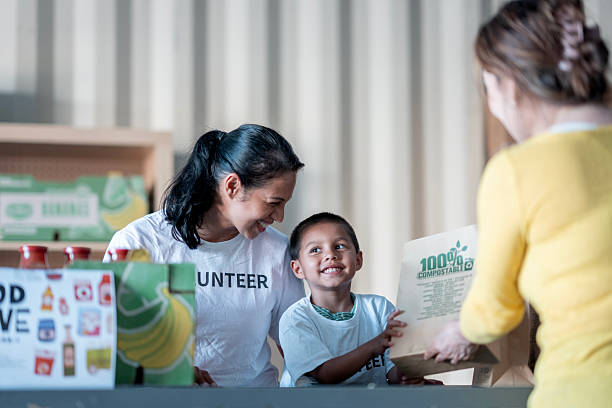
One of the most beautiful aspects of friendships formed through shared interests is the sense of community that develops. As children engage with their peers, they learn the importance of teamwork and collaboration. Whether they are working on a group project, playing a team sport, or participating in a community event, these experiences teach them valuable life skills. They learn to celebrate each other’s successes and support one another through challenges.
As parents, it’s also essential to recognize and celebrate the friendships your child forms. Acknowledge their efforts in reaching out and connecting with others. Celebrate playdates, shared accomplishments, and the little moments of joy that come from friendship. This affirmation reinforces their social skills and encourages them to continue building relationships.
Ultimately, the goal is not just to help your child make friends but to nurture their ability to form meaningful connections throughout their lives. By encouraging them to explore their interests, share their passions, and foster empathy, you are setting them on a path toward strong, lasting friendships. These connections will enrich their lives, providing a support system that will carry them through both joyous and challenging times.
In a world that can sometimes feel disconnected, fostering friendships through shared interests is a beautiful gift we can give our children. By nurturing their passions and encouraging social interactions, we empower them to build a network of connections that can last a lifetime. The friendships they form today will be the foundation of their social lives tomorrow, shaping who they become and how they relate to the world around them.