In today’s fast-paced world, where challenges seem to multiply daily, the role of biotechnology has never been more significant.
From our food systems to healthcare advancements, biotechnology is quietly shaping our lives in profound ways.
As we navigate the complexities of modern living, understanding the importance of biotechnology can help us appreciate its contributions and potential.
The essence of biotechnology lies in its ability to harness biological processes for various applications. This means using living organisms or their components to develop products and technologies that can improve our quality of life. While this field has been around for centuries, recent advancements have thrust it into the spotlight, especially in the wake of global challenges like climate change, food security, and public health crises.
One of the most compelling areas where biotechnology shines is in agriculture. As the global population continues to grow, the demand for food is at an all-time high. Traditional farming methods are often stretched to their limits, leading to concerns about sustainability and environmental impact. Here, biotechnology steps in with innovative solutions. By developing genetically modified organisms (GMOs), scientists can create crops that are more resilient to pests, diseases, and changing climate conditions. These crops require fewer resources, such as water and fertilizers, which can help in conserving our precious natural resources.
Moreover, biotechnology plays a crucial role in enhancing nutritional content. Imagine crops that not only yield more but also provide essential vitamins and minerals. This potential to combat malnutrition in vulnerable populations is a powerful testament to how biotechnology can lead to healthier communities, especially in regions where access to diverse food sources is limited.
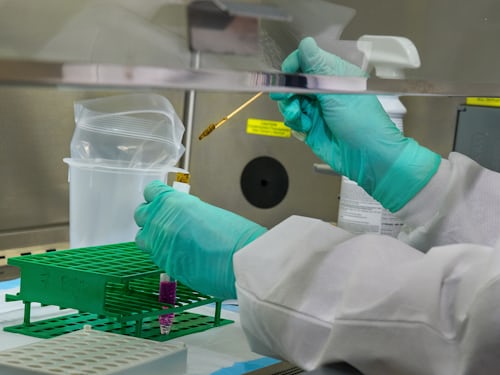
As we shift our focus to healthcare, the impact of biotechnology becomes even more evident. The recent global health crisis has underscored the importance of rapid responses to emerging diseases. Biotechnological innovations have been pivotal in developing vaccines and therapies that can protect us from various health threats. For instance, mRNA technology, which has gained prominence during the pandemic, showcases how biotechnology can enable swift and effective medical solutions. This technology not only helps in combating current health issues but also lays the groundwork for future vaccine development against a range of diseases.
Beyond vaccines, biotechnology is revolutionizing personalized medicine. Imagine treatments tailored specifically to an individual’s genetic makeup. This approach not only increases the effectiveness of treatments but also minimizes side effects. As we learn more about our genetic profiles, biotechnology enables us to make informed decisions about our health and wellness, paving the way for a more personalized approach to healthcare.
A small shift toward balance is also evident in the realm of environmental sustainability. The challenges posed by climate change demand innovative solutions, and biotechnology offers a pathway to a greener future. From biofuels that reduce reliance on fossil fuels to bioremediation techniques that clean up polluted environments, the applications are vast. By utilizing microorganisms to break down pollutants or enhance soil health, biotechnology helps restore balance to ecosystems that have been disrupted by human activity.
In addition, biotechnology contributes to the development of sustainable materials. For example, bioplastics made from renewable resources can reduce plastic waste, offering an eco-friendly alternative to traditional plastics. This shift not only helps in addressing pollution issues but also encourages a circular economy where materials are reused and recycled, fostering a more sustainable lifestyle.
As we explore the various facets of biotechnology, it’s essential to acknowledge the ethical considerations that accompany these advancements. With great power comes great responsibility. As biotechnological innovations continue to evolve, society must engage in thoughtful discussions about their implications. Questions surrounding genetic modification, privacy in personalized medicine, and the environmental impact of new technologies must be addressed collaboratively. By fostering a dialogue that includes scientists, policymakers, and the public, we can ensure that biotechnology serves the greater good.
Another important aspect of biotechnology is its role in fostering economic growth. As new biotechnological solutions emerge, they create opportunities for job creation and innovation in various sectors. Startups and established companies alike are investing in biotechnological research and development, leading to advancements that can drive economies forward. This growth not only benefits businesses but also contributes to educational initiatives, inspiring the next generation of scientists and innovators to explore this dynamic field.
As we look to the future, the potential of biotechnology seems boundless. The integration of artificial intelligence and machine learning with biotechnological processes is already paving the way for breakthroughs that were once thought impossible. Imagine a world where diseases are diagnosed in real-time, and treatments are developed at lightning speed. The synergy between technology and biology promises a future where our health and environment can be nurtured more effectively than ever.
In conclusion, biotechnology is more than just a scientific discipline; it is a vital part of our everyday lives. As we face unprecedented challenges, the innovations born from this field offer hope and solutions. Whether it’s through improving our food systems, revolutionizing healthcare, or fostering environmental sustainability, biotechnology holds the key to a healthier, more sustainable future. By embracing this knowledge and supporting responsible advancements, we can all play a part in shaping a world where biotechnology truly matters. With a sense of curiosity and responsibility, we can look forward to a future where the wonders of biotechnology enhance our lives in meaningful ways.