Encouraging Children to Welcome New Friends
Friendship is one of the most beautiful gifts in life, offering companionship, support, and shared joy.
For children, making new friends can be an exciting adventure, yet it can also come with its challenges.
As parents and caregivers, we have a wonderful opportunity to nurture this aspect of their social lives.
Encouraging children to welcome new friends can help them develop crucial social skills and build lasting connections. Here are some gentle ways to foster this welcoming spirit in our little ones.
Creating a welcoming environment begins at home. Children often take cues from their surroundings and from the adults in their lives. If our homes embody warmth and openness, children are likely to reflect those qualities in their interactions. Simple gestures, such as inviting friends over for playdates or sharing stories about our own friendships, can create an atmosphere where children feel inspired to reach out to others. When they see their parents engaging positively with friends, they learn the importance of connection and kindness.
A small shift toward balance can make a big difference. It’s essential to recognize that not every child will approach new friendships with the same enthusiasm. Some may be more reserved or anxious, while others might be eager to make new connections. By understanding and respecting these differences, we can help our children navigate social situations in a way that feels comfortable for them. Encourage them to take small steps, such as saying hello or inviting a classmate to join a game. These little actions can lead to more significant connections over time.
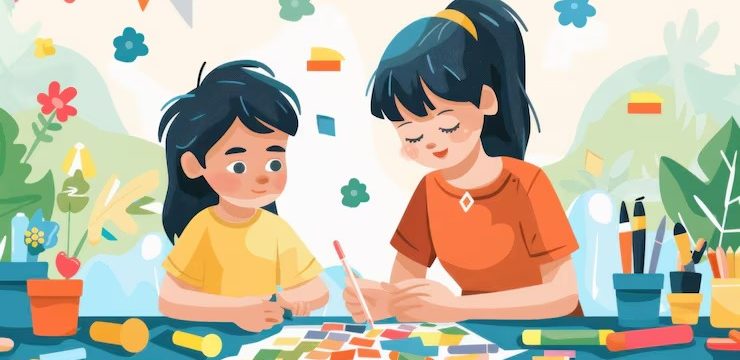
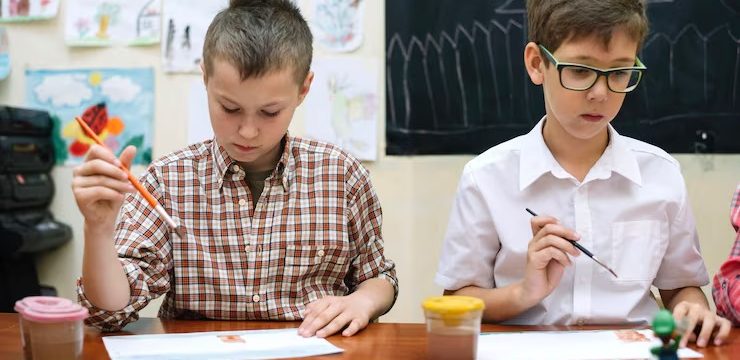
The power of play cannot be understated when it comes to building friendships. Children learn a lot through play, and it’s often in these relaxed settings that they feel most comfortable. Organizing group activities that promote teamwork can be a great way to facilitate new friendships. Whether it’s a group art project, a team sport, or a simple game, these shared experiences can help children bond over common interests. As they collaborate and communicate, the barriers that might have initially stood in the way of friendship start to dissolve.
Encouraging empathy is another vital aspect of helping children welcome new friends. Teaching kids to recognize and understand the feelings of others can create a strong foundation for meaningful relationships. Discussing emotions and role-playing different scenarios can help children develop this skill. For instance, if they notice a classmate sitting alone, you might gently prompt them to think about how that child might feel and what they could do to include them. This kind of guidance fosters a sense of compassion and connection that is essential for building friendships.
As children navigate their social worlds, they may face challenges such as rejection or misunderstandings. It’s important to remind them that these experiences are a normal part of life. Encouraging resilience in the face of social setbacks can empower children to keep trying. Share stories about your own experiences with friendship, highlighting both the joyful moments and the times when things didn’t go as planned. By normalizing these ups and downs, we help children understand that friendships take time and effort to develop.
Modeling inclusive behavior is another powerful way to inspire children. When they see us treating others with kindness and respect, they are more likely to mirror that behavior in their own interactions. This includes demonstrating how to introduce themselves to new people, how to invite someone to join in on an activity, or how to be a good listener. Children learn through observation, so being a positive role model in social situations can significantly influence their approach to making new friends.
In addition to modeling and encouraging empathy, it’s essential to celebrate diversity. Teaching children about different cultures, backgrounds, and experiences broadens their understanding of the world around them. When children appreciate the unique qualities of others, they are more likely to welcome new friends from various walks of life. Engaging in activities that promote cultural awareness, such as reading books from diverse authors or participating in community events, can enrich their perspective and foster a sense of belonging for everyone.
Creating opportunities for social interaction can also help children expand their circle of friends. This might include enrolling them in extracurricular activities, such as sports, music, or art classes, where they can meet peers with similar interests. These environments provide a natural setting for children to connect and bond over shared passions. Moreover, these activities often involve teamwork and collaboration, which can further enhance their social skills and ability to welcome new friends.
A gentle reminder about the importance of patience can also be beneficial. Building friendships is a process that takes time, and it’s essential for children to understand that not every interaction will lead to a lasting connection. Encouraging them to be patient with themselves and others can alleviate some of the pressure they may feel to make friends quickly. Instead of focusing solely on the outcome, remind them to enjoy the journey of meeting new people and exploring potential friendships.
Lastly, fostering an open dialogue about feelings can create a safe space for children to express their thoughts on friendship. Encourage them to share their experiences, whether they’re feeling excited about a new friend or unsure about how to approach someone. By actively listening and validating their feelings, we help them navigate their emotions and build confidence in their social interactions. This open communication reinforces the idea that it’s okay to seek help or guidance when it comes to making friends.
In the end, encouraging children to welcome new friends is about instilling a sense of belonging and connection. By creating a nurturing environment, modeling inclusive behavior, and promoting empathy, we can help our children build the social skills necessary to form meaningful relationships. As they learn to embrace new friendships, they not only enrich their own lives but also contribute to a more compassionate and connected world. The journey of friendship is one filled with joy, growth, and endless possibilities, and it starts with a simple hello.