Understanding Emotional Differences With Respect
In our increasingly interconnected world, we often find ourselves navigating a diverse landscape of emotions.
Each person we encounter carries a unique emotional palette shaped by their experiences, culture, and personal history.
Understanding these emotional differences is not only a pathway to deeper connections but also a vital step toward fostering respect and compassion in our interactions.
Emotions are at the core of what it means to be human. They color our perceptions and influence our decisions, often in ways we might not fully comprehend. While some individuals may express their feelings openly, others might be more reserved, leading to misunderstandings and assumptions. Recognizing that emotional expression varies greatly among individuals is essential for nurturing healthy relationships.
A small shift toward balance can begin with self-reflection. Taking the time to understand our own emotional responses allows us to approach others with greater empathy. It’s important to acknowledge that our feelings, shaped by personal narratives, do not necessarily mirror those of others. When we recognize our own emotional landscapes, we can better appreciate the complexities of someone else’s experience. This practice fosters patience and encourages us to listen without judgment.
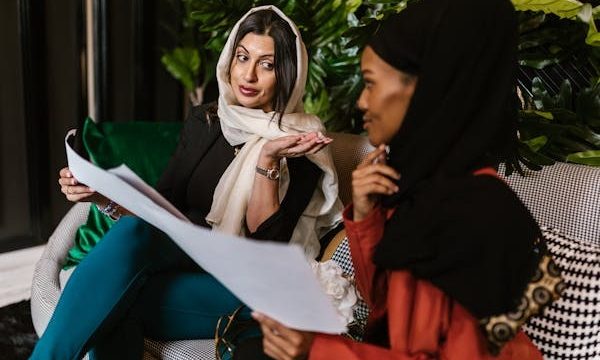
Listening plays a pivotal role in bridging emotional differences. Often, we might feel compelled to respond immediately, perhaps offering solutions or sharing our own similar experiences. While these reactions come from a place of caring, they can inadvertently overshadow the other person’s emotions. Instead, consider focusing on active listening—making a conscious effort to fully understand what the other person is expressing. This means not only hearing their words but also tuning into their tone and body language. By creating a safe space for open dialogue, we invite deeper connections and validate their feelings.
As we navigate emotional differences, it’s important to recognize the impact of cultural backgrounds on how emotions are expressed. In some cultures, expressing feelings openly is encouraged, while in others, restraint may be valued. Understanding these cultural nuances can enrich our interactions and broaden our perspectives. It can also help us avoid misinterpretations that may arise from differing emotional expressions. When we approach conversations with cultural sensitivity, we create an environment where everyone feels respected and understood.
Another aspect to consider is the role of emotional intelligence in our relationships. Emotional intelligence encompasses the ability to recognize, understand, and manage our emotions, as well as those of others. Cultivating this skill can significantly enhance our ability to navigate emotional differences. It encourages us to be aware of our feelings and how they affect our interactions. Furthermore, it empowers us to respond thoughtfully rather than react impulsively. By practicing emotional intelligence, we can create a more harmonious atmosphere, allowing for genuine connections to flourish.
Acknowledging emotional differences also invites us to challenge our own biases. We may unconsciously hold assumptions about how people should express their feelings based on our own experiences. These assumptions can lead to misunderstandings and frustrations. By consciously examining these biases, we can open ourselves to a wider range of emotional expressions. This process requires humility and a willingness to learn from others, fostering not only respect but also personal growth.
Creating an emotionally inclusive environment is essential for nurturing respect in our relationships. This involves being open to differing viewpoints and validating the emotions of others, even when they differ from our own. It’s about embracing the idea that every emotional experience is valid and worthy of acknowledgment. When we create spaces where people feel safe to express their emotions, we cultivate a sense of belonging that encourages authentic connections.
As we strive to understand emotional differences, it’s also important to remember that empathy is a practice. It is not always easy, especially in moments of conflict or misunderstanding. However, taking a step back and trying to see the situation from another’s perspective can be transformative. Empathy allows us to connect on a deeper level, fostering a sense of unity despite our differences. It reminds us that, at our core, we all seek understanding and acceptance.
Practicing gratitude can also enhance our ability to respect emotional differences. Reflecting on the unique qualities each individual brings to our lives can shift our focus from what divides us to what unites us. Gratitude fosters a sense of appreciation for the richness that diverse emotional experiences bring to our relationships. It encourages us to celebrate the differences that make each interaction unique, promoting a culture of respect and understanding.
Ultimately, understanding emotional differences with respect is an ongoing journey. It requires patience, openness, and a genuine desire to connect with others. As we navigate this path, we learn to embrace the beauty of diversity in emotional expression. Each conversation becomes an opportunity for growth, and every relationship has the potential to deepen our understanding of what it means to be human.
In a world that often emphasizes conformity, celebrating emotional differences can be a radical act of kindness. By fostering respect and understanding, we not only enrich our own lives but also contribute to a more compassionate society. As we continue to explore the complexities of human emotion, let us carry with us the belief that every feeling is valid, and every person deserves to be heard. In doing so, we create a tapestry of human experience that is vibrant, diverse, and deeply interconnected.