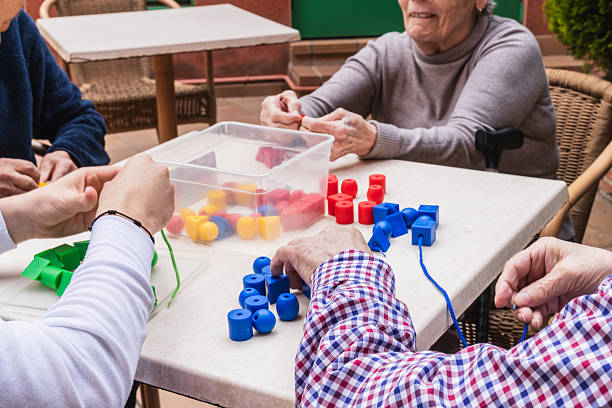
Learning to Be Present With Your Emotions
In the hustle and bustle of daily life, it can be all too easy to overlook our emotional landscape.
We often find ourselves racing from one task to the next, distracted by obligations and the demands of modern living.
Yet, taking a moment to pause and truly connect with our emotions can lead to profound insights and a deeper sense of well-being.
Learning to be present with our emotions is not just about acknowledging them; it’s about creating a nurturing space where we can explore our feelings with kindness and compassion.
A small shift toward balance
Being present with your emotions begins with mindfulness. Mindfulness is simply the practice of being fully engaged in the moment, without judgment. It encourages us to observe our thoughts and feelings as they arise, rather than pushing them away or becoming overwhelmed by them. When we take this mindful approach, we can start to recognize patterns in our emotional responses. For instance, we might notice that certain situations consistently trigger anxiety or sadness. By identifying these triggers, we can better understand ourselves and our emotional needs.
Creating a safe space for your feelings is essential. This might mean finding a quiet corner of your home, lighting a candle, or even going for a walk in nature. The environment we choose can greatly influence our ability to connect with our emotions. In these moments, allow yourself to feel whatever arises. If you experience joy, let it wash over you. If sadness emerges, acknowledge it without judgment. Remember, there are no “good” or “bad” emotions; they are all valid expressions of our human experience.
The power of self-compassion
As we learn to be present with our emotions, self-compassion becomes a vital companion on this journey. Often, we can be our own harshest critics, especially when we feel overwhelmed or vulnerable. Instead of berating ourselves for feeling a certain way, we can practice treating ourselves with the same kindness we would offer a friend. This means recognizing that it’s okay to feel sad, anxious, or even angry at times. Emotions are part of being human, and experiencing them does not make us weak or flawed.
One way to cultivate self-compassion is through gentle self-talk. When you notice a difficult emotion arising, try to speak to yourself with understanding. Instead of saying, “I shouldn’t feel this way,” you might say, “It’s okay to feel this way. I’m here for myself.” This simple shift in language can foster a sense of acceptance and warmth, allowing you to navigate your emotions with grace.
Building emotional awareness
Emotional awareness is the ability to recognize and understand our feelings. By honing this skill, we can cultivate a deeper connection to ourselves. Journaling can be a helpful tool in this process. Taking a few moments each day to write about your emotional experiences can illuminate patterns and themes in your life. You might ask yourself questions like, “What am I feeling right now?” or “What triggered this emotion?” Over time, this practice can lead to greater clarity and insight.
Another approach to building emotional awareness is to engage in creative expression. Whether it’s through painting, dancing, or playing music, creative outlets can provide a safe space to explore and express our emotions. When we allow ourselves to create freely, we often tap into feelings that might be difficult to articulate with words. This form of expression can be incredibly liberating, helping us to process emotions and gain a sense of relief.
Connecting with others
While learning to be present with our emotions is often an individual journey, it can also be enriched through connection with others. Sharing our feelings with trusted friends or family members can provide comfort and validation. Sometimes, simply knowing that we are not alone in our struggles can alleviate the weight of difficult emotions. Conversations about feelings can foster deeper relationships and create a sense of community.
If sharing feels daunting, consider joining a group or community that focuses on emotional wellness. Many people find solace in connecting with others who are on similar journeys. These spaces can provide a sense of belonging and understanding, as well as valuable insights from different perspectives.
The importance of patience
Learning to be present with your emotions is not an overnight process. It requires patience and practice. Just as we wouldn’t expect to become proficient at a new skill immediately, we cannot rush our emotional journey. There will be days when we feel more in tune with our emotions and days when we struggle. Both experiences are part of the process.
As you navigate this journey, remember to celebrate the small victories. Acknowledging when you’ve taken time to sit with your feelings or when you’ve chosen self-compassion can be empowering. Each step you take, no matter how small, contributes to a greater understanding of yourself.
Embracing the journey
In the end, learning to be present with your emotions is a beautiful journey of self-discovery. It invites us to embrace the full spectrum of our feelings and to honor our experiences as valid. By cultivating mindfulness, practicing self-compassion, and connecting with others, we can create a nurturing environment for our emotional well-being.
As you embark on this path, remember that it’s not about achieving perfection but about fostering a deeper connection with yourself. Each moment spent in awareness and acceptance is a step toward a more balanced and fulfilling life. Embrace the journey, and allow your emotions to guide you toward greater self-understanding and peace.