Understanding How Children Learn New Skills
As parents, caregivers, or educators, we often find ourselves marveling at the incredible journey of a child’s development.
Watching them learn new skills, whether it’s riding a bike, tying shoelaces, or mastering the art of storytelling, is a beautiful experience that fills our hearts with joy.
But have you ever paused to consider how children actually learn these skills? Understanding the nuances of their learning process can help us support them in more meaningful ways.
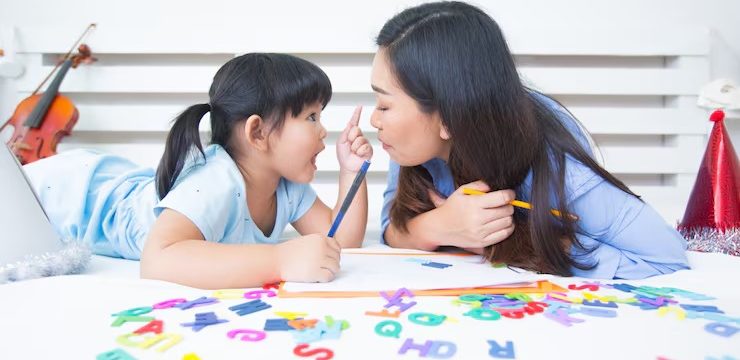
The foundation of learning begins with observation. Children are natural explorers, constantly soaking up the world around them. From the moment they enter the world, they are keen observers, noticing the actions of those they admire. This imitative behavior is crucial; children learn a great deal simply by watching others. Whether it’s a parent demonstrating how to brush teeth or a sibling showing how to build a block tower, these moments of observation lay the groundwork for skill acquisition.
As children observe, they begin to experiment. This phase is characterized by a sense of curiosity and a desire to try things out for themselves. It’s not uncommon to see a child attempting to replicate what they’ve seen, often with a delightful mix of enthusiasm and clumsiness. This trial-and-error approach is essential, as it allows them to learn from their successes and mistakes. Each stumble or misstep provides valuable feedback, guiding them toward improvement.
A gentle nudge toward independence is often all that’s needed to foster this experimentation. Instead of diving in to correct them at the first sign of struggle, allowing children the space to navigate challenges on their own can be incredibly empowering. This autonomy not only builds their confidence but also enhances their problem-solving skills, enabling them to tackle obstacles with resilience.
Another significant aspect of how children learn is through play. Play is not just a way to pass the time; it’s a vital component of development. During play, children engage in imaginative scenarios, practice social skills, and develop fine and gross motor skills. When they build with blocks, for instance, they’re not just stacking; they’re exploring concepts of balance and gravity. When they engage in role play, they’re practicing communication, empathy, and collaborative skills.
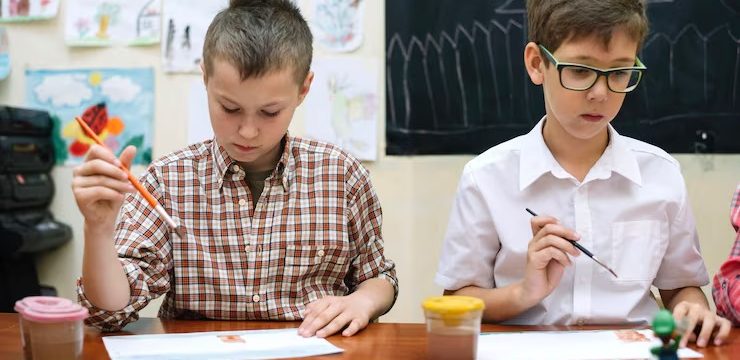
Creating an environment that encourages playful exploration can enrich a child’s learning experience. Whether it’s providing a variety of materials for creative expression or setting up opportunities for cooperative play with peers, these experiences can spark new interests and skills.
As children grow, the role of guidance becomes increasingly important. While independence is vital, so is the presence of a supportive figure who can offer encouragement and wisdom. This is where the balance of guidance and freedom comes into play. Providing gentle support—whether through verbal encouragement or constructive feedback—can help children feel secure as they navigate the learning process. It’s all about finding that sweet spot where they feel safe to explore while knowing they have someone to turn to for help when needed.
Emotional intelligence plays a crucial role in learning as well. Children are not just developing cognitive skills; they are also learning to understand their feelings and the feelings of others. Creating an environment where emotions are acknowledged and discussed helps children build empathy and resilience. When they face challenges, encouraging them to express their feelings can lead to better coping strategies. This emotional awareness is an essential skill that will serve them well throughout their lives.
In addition, the importance of repetition cannot be understated. Children thrive on routine and familiarity, and this extends to skill acquisition. Repeating an activity allows them to refine their abilities and gain confidence. Think of how a child learns to ride a bike: it often takes numerous attempts, each time building on the last, until they finally find their balance. This process reinforces their learning and helps solidify the skill in their memory.
As caregivers, it’s important to recognize that each child is unique. While some may take to new skills quickly, others might require more time and patience. Celebrating individual progress, no matter how small, fosters a positive learning environment. Encouragement and recognition of effort can motivate children to keep trying, even when they encounter setbacks.
Another gentle reminder in the journey of skill acquisition is the value of patience. Children learn at their own pace, and it’s important to honor their individual timelines. This means resisting the urge to compare their progress to that of their peers. Instead, focus on fostering a love for learning that transcends the outcome of any particular skill. When children feel supported and accepted, they are more likely to embrace challenges and develop a lifelong passion for learning.
Finally, as we consider how children learn, let’s not forget the power of connection. Strong relationships with family, friends, and educators provide a safety net that encourages exploration and growth. When children feel secure in their relationships, they are more willing to take risks and try new things. This sense of belonging is a fundamental aspect of their learning journey.
In conclusion, understanding how children learn new skills is a multifaceted process that involves observation, experimentation, play, guidance, emotional intelligence, repetition, patience, and connection. By fostering an environment that nurtures these elements, we can help children thrive as they embark on their individual journeys of discovery. As we support them in learning new skills, we are also nurturing their growth into confident, resilient individuals ready to take on the world. So let us embrace this beautiful journey together, celebrating each small victory along the way.