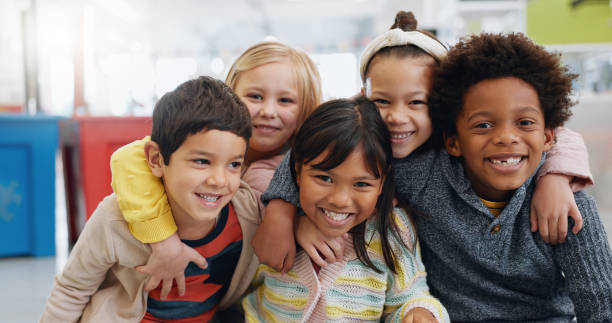
Encouraging Kids to Join Group Games
In today’s fast-paced world, where technology often takes center stage, nurturing a love for group games among children can feel like an uphill battle.
However, group games are not just a fun way to pass the time; they foster social skills, teamwork, and physical well-being.
So how can parents and caregivers inspire kids to step away from screens and engage in the joy of collaborative play?
A gentle nudge towards connection
The first step in encouraging children to join group games is to create an environment that feels welcoming and inclusive.
Kids thrive in settings where they feel safe to express themselves and explore. Start by inviting their friends over for a casual playdate, where the atmosphere is relaxed and open. This gives children the chance to interact with their peers in a comfortable setting, making them more likely to participate in group activities.
Consider introducing a variety of games that cater to different interests and age groups. From classic outdoor games like tag or hide-and-seek to board games and cooperative puzzles indoors, having options allows children to choose what resonates with them. When kids feel they have a say in the activities, they are more inclined to join in and enjoy the experience.
Creating opportunities for play
Organizing group games doesn’t always have to be a grand affair. Simple gatherings can lead to spontaneous play. A backyard barbecue can transform into a game of frisbee or sack races, while a rainy day might inspire a treasure hunt inside the house. The key is to remain flexible and encourage creativity, allowing children to come up with their own games or variations on existing ones.
In addition, consider community sports leagues or activity clubs. Many local organizations offer programs specifically designed for children, ranging from soccer teams to dance classes. These structured environments provide not only the opportunity for physical activity but also a chance to meet new friends. The shared experience of learning something new together can be a powerful motivator for kids to engage in group games.
Fostering teamwork and communication
Group games naturally teach children about teamwork and communication. When kids play together, they learn to negotiate rules, share ideas, and support one another. This social interaction is crucial for developing emotional intelligence and problem-solving skills. Parents can enhance this experience by actively participating in the games or facilitating discussions afterward about what went well and what could be improved.
Encouraging children to express their feelings during play can also be beneficial. Ask them how they felt during the game—whether they enjoyed working as a team or if they found certain aspects challenging. This reflection not only deepens their understanding of the game but also nurtures their emotional growth.
The role of role models
Children often learn by observing the adults in their lives. By participating in group games themselves, parents can serve as powerful role models. Whether it’s joining in a family game night or playing a sport together, demonstrating enthusiasm for group activities can inspire kids to follow suit. Sharing your own experiences and the joy of playing can create a ripple effect, encouraging children to embrace play as a valuable part of their lives.
Moreover, showcasing the benefits of group games can be a strong motivator. Talk about how much fun you had playing with friends when you were younger or share stories of teamwork leading to success. When kids see that group play brings joy and valuable life skills, they may be more inclined to join in.
A gentle shift towards balance
The rise of digital entertainment has undeniably altered how children spend their free time. While technology can offer educational benefits, balancing screen time with active play is essential for overall well-being. Encourage children to set limits on their screen use and replace that time with engaging group games. Setting a family schedule that includes time for outdoor activities or game nights can help establish this balance.
It’s also important to be mindful of the messages children receive about competition. While friendly competition can be motivating, focusing solely on winning can detract from the joy of playing. Emphasizing the fun of participation and the value of effort over outcome can help children enjoy games for what they are—a chance to connect, laugh, and learn.
Celebrating small victories
As children engage in group games, celebrate their efforts and accomplishments, no matter how small. Whether they successfully collaborated with teammates or simply tried something new, positive reinforcement can boost their confidence. Acknowledging their participation encourages continued involvement and fosters a sense of belonging.
Creating a culture of encouragement within the group is equally important. Teach children to cheer for their peers, acknowledge others’ strengths, and celebrate collective achievements. This not only enhances their social skills but also builds a supportive community that values collaboration over competition.
Encouraging creativity through play
Games don’t have to be confined to established rules. Encourage children to invent their own games or modify existing ones. This fosters creativity and allows them to experience the joy of creating something unique. When children take ownership of their play, they are more likely to engage enthusiastically.
Consider setting aside time for children to brainstorm new games or create their own rules for existing ones. This can lead to laughter, surprises, and a sense of accomplishment that further deepens their love for group play.
The lasting impact of group games
Ultimately, encouraging children to join group games is about more than just playtime; it’s about building relationships and fostering life skills. The laughter, teamwork, and creativity that emerge from these experiences can have a lasting impact on their development. By nurturing a love for group games, we are equipping children with the tools they need to navigate the world around them with confidence and joy.
As we guide our children towards these enriching experiences, let’s remember to embrace the journey with an open heart. The memories created during group games will not only shape their childhood but also provide them with valuable lessons that last a lifetime. In the end, every laugh shared and every game played contributes to a richer, more connected life.