Helping Children Build Strong Skills
As parents, educators, and caregivers, we often find ourselves contemplating the best ways to nurture our children’s development.
In today’s fast-paced world, it’s easy to feel the pressure to ensure our kids excel academically, socially, and emotionally.
However, building strong skills in children doesn’t always require a meticulously crafted plan or an exhaustive checklist. Sometimes, the most effective approach is to cultivate a nurturing environment that encourages exploration, creativity, and resilience.
Encouraging Curiosity
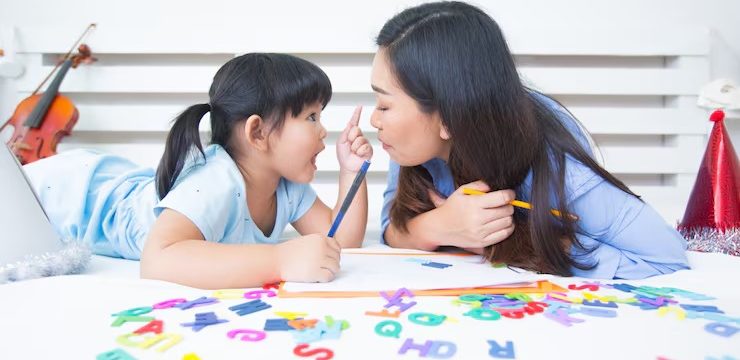
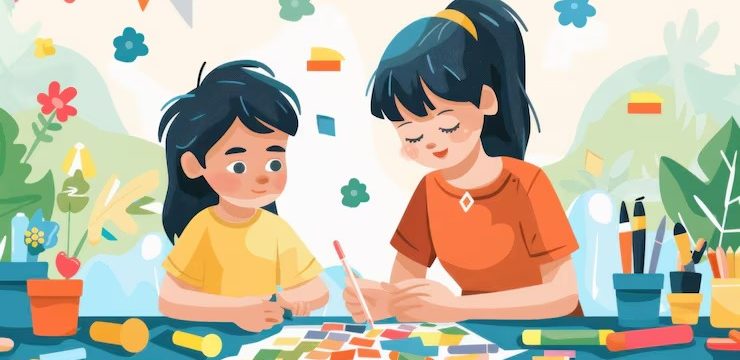
One of the most powerful tools we can give our children is curiosity. Encouraging them to ask questions, explore their interests, and engage with the world around them fosters a lifelong love of learning. This can start simply, such as taking nature walks and discussing the plants and animals encountered along the way. At home, we can create a space that invites exploration—whether it’s a cozy reading nook filled with books or an arts and crafts corner stocked with supplies.
When children feel free to express their curiosity, they develop critical thinking skills and learn to approach problems with an open mind. Asking open-ended questions, like “What do you think will happen if we mix these colors?” or “How do you think this works?” can spark their imagination and encourage them to think independently.
Fostering Emotional Intelligence
Emotional intelligence is a crucial skill that helps children navigate their feelings and understand the emotions of others. By modeling healthy emotional expression and communication, we can create a safe space for our children to share their thoughts and feelings. Simple conversations about daily experiences, whether joyful or challenging, can help children articulate their emotions and develop empathy.
Engaging in role-playing activities can also be beneficial. For instance, acting out different scenarios—like resolving a conflict with a friend or dealing with disappointment—allows children to practice emotional regulation and problem-solving in a supportive environment. This not only strengthens their emotional skills but also enhances their ability to interact positively with others.
Nurturing Resilience
Life is full of ups and downs, and helping children develop resilience is essential for their overall well-being. One way to foster resilience is by encouraging a growth mindset, where challenges are viewed as opportunities for learning rather than obstacles. Praise efforts rather than outcomes, and emphasize the importance of perseverance. When children encounter setbacks, gently guiding them to reflect on what they can learn from the experience can empower them to keep trying.
Creating a routine that includes manageable challenges—like completing a puzzle or learning a new skill—can also help. These small victories build confidence and reinforce the idea that effort leads to growth. As children learn to navigate difficulties, they develop a sense of agency and the belief that they can overcome obstacles.
Building Social Skills
In today’s interconnected world, strong social skills are more important than ever. Encouraging children to engage in group activities, whether it’s team sports, clubs, or playdates, allows them to practice communication and cooperation. These experiences teach them how to listen, share, and work together toward common goals.
It’s essential to guide children in understanding the nuances of social interactions. Discussing the importance of body language, tone of voice, and active listening can provide valuable insights. When children feel confident in their social abilities, they are more likely to form meaningful connections with their peers and feel a sense of belonging.
Encouraging Healthy Habits
Physical well-being plays a significant role in a child’s overall development. Encouraging healthy habits, such as regular exercise, balanced nutrition, and sufficient sleep, can greatly influence a child’s ability to learn and grow. Simple activities like family walks, cooking nutritious meals together, or establishing a bedtime routine can instill these habits in a fun and engaging way.
Moreover, introducing mindfulness practices, such as deep breathing or yoga, can help children manage stress and stay grounded. These practices not only promote physical health but also enhance emotional regulation and focus, allowing children to approach challenges with a calm mindset.
Creating a Supportive Community
Building strong skills in children is not solely the responsibility of parents; it requires a supportive community. Engaging with teachers, caregivers, and other families creates a network of encouragement and shared experiences. Participating in community events, volunteering, or joining parenting groups can provide valuable resources and connections.
When children see adults collaborating and supporting one another, they learn the importance of community and teamwork. This sense of belonging enhances their social skills and reinforces the idea that they are part of something larger than themselves.
Celebrating Individuality
Every child is unique, with their own strengths, passions, and challenges. It’s important to celebrate individuality and encourage children to embrace their authentic selves. Supporting their interests, whether it’s music, sports, art, or science, allows them to thrive in areas they are passionate about.
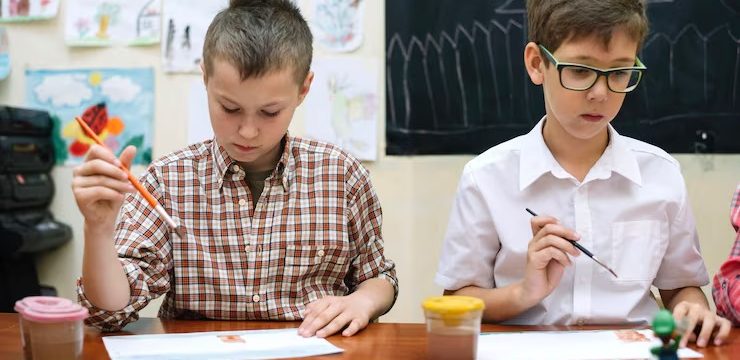
Encouraging self-expression through creative outlets—be it drawing, writing, or performing—helps children build confidence and find their voice. Recognizing and appreciating their efforts, regardless of the outcome, fosters a sense of self-worth and encourages them to pursue their interests with enthusiasm.
In conclusion, helping children build strong skills is a journey that requires patience, understanding, and love. By creating an environment that nurtures curiosity, emotional intelligence, resilience, and social skills, we can empower our children to navigate life’s challenges with confidence. As they grow, they will carry these skills with them, shaping their futures and enriching the lives of those around them. Ultimately, it’s about fostering a sense of belonging and acceptance, allowing each child to flourish in their own unique way.