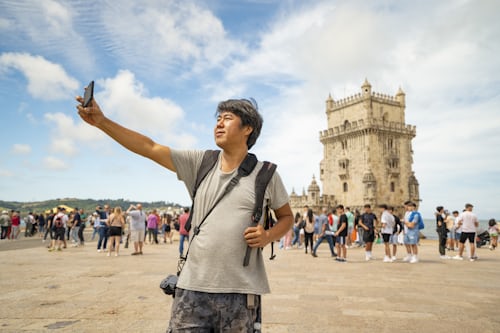
Photography is more than just a hobby; it’s a way to express oneself, to capture fleeting moments, and to see the world through a different lens.
For many, the challenge lies in finding the time and motivation to practice daily.
Yet, cultivating this habit can be incredibly rewarding, not only for your skills but also for your overall well-being.
Here are some gentle ways to integrate photography into your daily routine, transforming it from a sporadic activity into a cherished part of your life.
A little inspiration goes a long way
The first step in nurturing a daily photography practice is to immerse yourself in inspiration. Spend a few moments each day looking at the work of photographers you admire. This could mean browsing through Instagram, exploring photography blogs, or flipping through coffee table books filled with stunning imagery. As you absorb different styles and perspectives, let your imagination wander. Think about what resonates with you and how you can incorporate those elements into your own work. This daily dose of inspiration can spark ideas, encouraging you to pick up your camera more frequently.
Finding your rhythm
Establishing a routine can be incredibly beneficial for your photography practice. Consider setting aside a specific time each day dedicated solely to photography. This could be early in the morning, when the world is still waking up, or during the golden hour just before sunset. By creating a consistent schedule, you condition your mind to anticipate this creative time, making it easier to prioritize photography amidst the busyness of everyday life.
Exploring your surroundings
You don’t need to travel far or seek out exotic locations to practice photography. Often, the most beautiful subjects are right outside your door. Take a leisurely stroll around your neighborhood or local park, and keep your camera handy. Look for the unique details that often go unnoticed—play of light on leaves, the texture of a weathered fence, or the expressions of people going about their day. By training your eye to see the extraordinary in the ordinary, you’ll develop a richer understanding of composition, lighting, and storytelling.
Embracing mini-projects
Sometimes, the thought of capturing the perfect shot can feel overwhelming. To ease this pressure, consider setting mini-projects for yourself. These could be as simple as a daily photo challenge, where you focus on a specific theme, such as “shadows” or “reflections.” Alternatively, you might decide to document a week in your life through photographs. These small, focused projects not only provide structure but also encourage you to think creatively within limitations. The sense of accomplishment you feel at the end of each project can be incredibly fulfilling.
Capturing the mundane
In our fast-paced lives, we often overlook the beauty in daily routines. Make it a point to document the small, seemingly mundane moments of your day. Whether it’s your morning cup of coffee, the way sunlight filters through your window, or the vibrant colors of your lunch, these images tell a story about your life. By focusing on the everyday, you not only enhance your observational skills but also cultivate gratitude for the little things that often go unnoticed.
Sharing your journey
Photography is a wonderful way to connect with others, and sharing your work can be a motivating factor in maintaining a daily practice. Consider starting a personal blog or an Instagram account dedicated to your photography. Sharing your images allows you to receive feedback, connect with fellow enthusiasts, and even inspire others. You might also consider joining local photography groups or online communities. Engaging with like-minded individuals can provide encouragement and new perspectives, making your journey even more enriching.
Learning from your mistakes
Every photographer has experienced the frustration of a missed shot or a poorly composed image. Instead of allowing these moments to discourage you, view them as opportunities for growth. Take time to review your work critically, identifying what you like and what could be improved. This reflective practice can deepen your understanding of photography and help you make more informed choices in the future. Remember, every great photographer started as a beginner, and it’s often through our missteps that we learn the most.
Exploring new techniques
As you become more comfortable with your photography, consider experimenting with different techniques and styles. This could mean trying your hand at long exposure photography, exploring macro shots of nature, or even dabbling in black and white photography. By stepping out of your comfort zone, you’ll not only expand your skill set but also discover new aspects of your creative voice. Embracing experimentation can reignite your passion and keep your daily practice fresh and exciting.
Mindful moments
Photography can also serve as a form of mindfulness, allowing you to be present in the moment. When you’re behind the lens, you become attuned to your surroundings, noticing details that might otherwise slip by. Take a moment to breathe deeply and really observe what’s in front of you. This practice of mindfulness can enhance your photography while also providing a sense of calm and clarity in your daily life.
Celebrating progress
As you embark on your daily photography journey, take time to celebrate your progress. Whether it’s acknowledging the number of days you’ve practiced or reflecting on how your skills have improved, recognizing your growth is vital. Consider keeping a photography journal where you can jot down your thoughts, ideas, and accomplishments. This can serve as a wonderful reminder of your journey and motivate you to continue pushing your creative boundaries.
Incorporating photography into your daily life doesn’t have to be daunting. By embracing small, manageable practices, you can cultivate a rewarding habit that enriches your life. Allow photography to become a lens through which you view the world, inviting creativity, mindfulness, and connection into your everyday experiences. As you nurture this practice, you’ll likely find not only an improvement in your skills but also a deeper appreciation for the beauty that surrounds you.