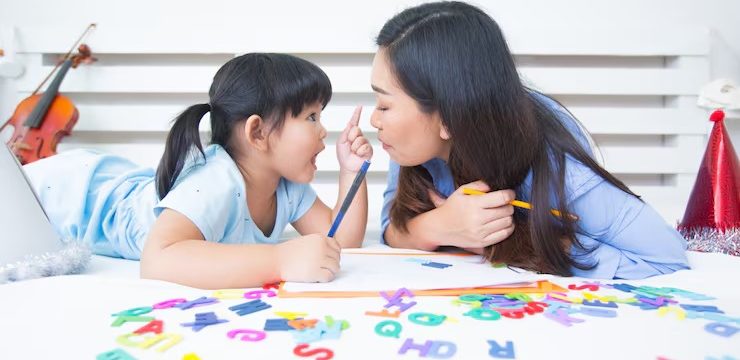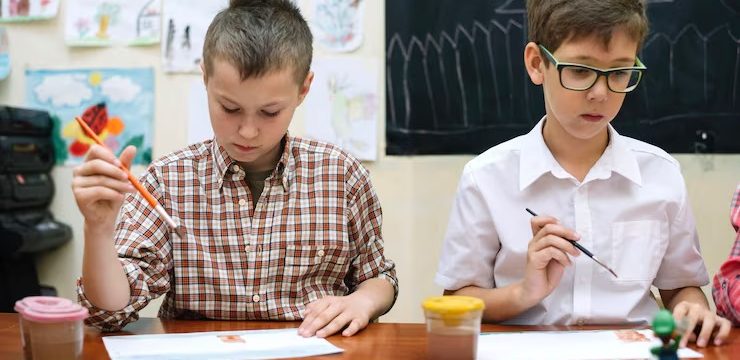
Building mutual trust between children is a vital aspect of their social development.
As adults, we often forget how significant trust is in forming relationships, but for children, it can be the cornerstone of their interactions.
Encouraging trust among young ones not only fosters a sense of security but also lays the groundwork for healthy relationships as they grow.
Understanding the essence of trust in childhood can help parents and caregivers nurture an environment where it flourishes. Children who learn to trust their peers are more likely to develop empathy, cooperate in group settings, and communicate effectively. These skills are essential not just in childhood but throughout their lives.
Creating a safe environment for children to express themselves is a wonderful first step toward building mutual trust. When children feel safe, they are more likely to open up and share their thoughts and feelings. This openness can be encouraged through simple daily interactions. Asking open-ended questions during playtime or at the dinner table can prompt children to express themselves. Instead of yes or no questions, try to engage them about their day, their interests, or even their dreams. This practice not only helps them articulate their feelings but also shows them that their thoughts are valued.
Modeling trust is another powerful way to instill this value in children. Children are observant and often mimic the behaviors they see. When parents and caregivers demonstrate trust in their relationships—be it with friends, family, or even in their community—children learn the importance of building and maintaining trust. This can be as simple as being reliable, following through on promises, and showing respect for others’ feelings. When children see adults navigating relationships with honesty and integrity, they are likely to adopt similar behaviors.
A small shift toward balance can also enhance trust-building among children. Encouraging them to engage in cooperative play or group activities can foster a sense of teamwork and reliance on one another. Activities that require sharing resources, whether it’s toys, art supplies, or even ideas, can teach children the value of mutual support. Through these interactions, they learn that trust is a two-way street, where giving and receiving is equally important.
Gentle encouragement in conflict resolution is another key aspect of fostering trust. Conflicts among children are natural, but how these situations are handled can significantly impact their ability to trust one another. Instead of stepping in immediately to resolve a conflict, guide children to express their feelings and perspectives. Encourage them to listen to each other and find common ground. This process not only helps them resolve the issue at hand but also teaches them the importance of understanding and valuing each other’s viewpoints.
Creating opportunities for collaboration can further enhance mutual trust. Group projects, whether in a classroom or at home, can be a great way for children to learn to rely on one another. When they work together toward a common goal, they begin to appreciate each other’s strengths and understand that trust is built through shared experiences. This can be as simple as a group art project, a cooking session, or even a community service activity. The key is to allow them to experience the joy of working together and achieving something as a team.
Encouraging empathy is also a fundamental part of building mutual trust among children. When they learn to put themselves in someone else’s shoes, they are more likely to build strong, trusting relationships. Reading books that explore various emotions and situations can be a great way to introduce this concept. After reading, discuss the characters’ feelings and decisions. Ask your child how they would feel in that situation or what they would do differently. These discussions can cultivate a deeper understanding of others, which is essential for trust.
The role of praise and positive reinforcement cannot be overlooked when fostering mutual trust. Celebrating moments when children demonstrate trustworthiness or when they successfully navigate conflicts can reinforce these behaviors. Acknowledging their efforts helps them understand the value of being trustworthy and encourages them to continue building these important skills. Remember, it’s not just about recognizing success but also about valuing the journey they take to get there.
Encouraging children to build mutual trust is not a one-time effort; it is an ongoing process that requires patience and consistency. As children grow, their understanding of trust will evolve, and they will face new challenges. By providing them with the tools and support they need, we can help them navigate these complexities and develop meaningful, trusting relationships.
In a world that often feels disconnected, fostering mutual trust among children can contribute to a more compassionate and understanding society. As we guide them through this journey, let us remember that the seeds we plant today will blossom into strong, healthy relationships tomorrow. By nurturing an environment of trust, we are not only helping children to connect with their peers but also preparing them for a future where empathy and cooperation reign.
Ultimately, the goal is to create a community of trust where children feel safe to express themselves, learn from one another, and grow together. Through gentle encouragement and thoughtful guidance, we can help them build the foundations of lasting relationships that will enrich their lives for years to come.