In a world that often feels fast-paced and competitive, teaching our children to recognize kindness in others can be a gentle yet powerful way to nurture their emotional intelligence and compassion.
The ability to see and appreciate acts of kindness not only enriches their relationships but also helps them to cultivate a positive outlook on life.
As parents and caregivers, we have the unique opportunity to guide our little ones in this important aspect of their emotional development.
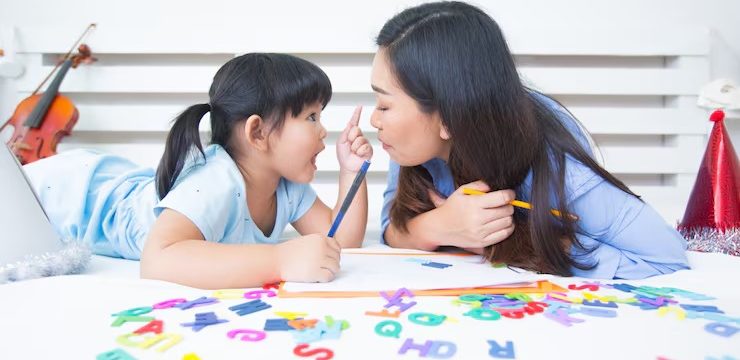
Creating a foundation of kindness begins in the early years. Children are naturally observant, absorbing the behaviors and attitudes of those around them. It is essential to model kindness in our daily interactions, whether it’s helping a neighbor with their groceries or offering a warm smile to a stranger. These small gestures speak volumes and serve as a living lesson for children, who often learn through imitation. By demonstrating kindness ourselves, we are not only teaching them the value of compassion but also reinforcing the idea that kindness is a fundamental part of being human.
Conversations about kindness can further enhance this understanding. Engaging in open discussions about what kindness looks like, both in small and big gestures, helps children to identify and appreciate these acts when they occur. For instance, after watching a movie or reading a book, you might ask your child about the characters’ actions and how they showed kindness to one another. This not only encourages critical thinking but also helps them to recognize that kindness exists in various forms, whether it’s a simple act of sharing or a more profound gesture of support.
As children begin to identify kindness in their surroundings, it’s also beneficial to encourage them to express their feelings about these acts. When they notice someone being kind, prompting them to share their thoughts can deepen their understanding. You might ask questions like, “How did that make you feel?” or “What do you think motivated them to be so kind?” This reflection allows children to process their emotions and reinforces the importance of empathy. It helps them grasp that kindness can have a ripple effect, positively impacting both the giver and the receiver.
Creating an environment rich in kindness can be as simple as incorporating it into family routines. Consider establishing a “kindness jar” where family members can write down acts of kindness they’ve witnessed or performed throughout the week. At the end of each week, gather together to read these notes aloud. This not only fosters a sense of community but also creates an ongoing dialogue about kindness. Children learn to celebrate the positive actions of others and recognize the significance of their contributions, no matter how small.
Encouraging children to participate in community service is another meaningful way to help them recognize kindness. Volunteering at a local shelter, participating in a neighborhood clean-up, or helping out at community events exposes children to various acts of kindness in action. These experiences can be eye-opening, allowing them to see firsthand how their actions can make a difference in the lives of others. Moreover, such activities often foster a sense of gratitude, helping children appreciate the kindness they receive in their own lives.
Books and stories can also serve as powerful tools in teaching children about kindness. Literature often showcases characters facing challenges and overcoming them through acts of compassion and understanding. Reading together and discussing these stories can open up valuable conversations about kindness and its impact. Choose stories that highlight diverse experiences and cultures, helping children understand that kindness transcends boundaries and is a universal language.
As children grow, their understanding of kindness can evolve. Encouraging them to think critically about situations they encounter in their daily lives is important. For example, discussing scenarios where they might witness unkind behavior can prepare them to respond with compassion. You might say, “If you see someone being left out, what do you think you could do?” Guiding them to brainstorm possible responses helps them to feel empowered to act kindly, even in challenging situations.
Recognizing kindness is not limited to observing others; it also extends to self-kindness. Teaching children the importance of treating themselves with compassion is equally crucial. Encourage them to practice positive self-talk and to be gentle with themselves during moments of disappointment or failure. This internal kindness will help them develop a strong sense of self-worth and resilience, which in turn influences how they perceive and respond to the kindness of others.
As we navigate the complexities of life, it’s essential to remember that kindness is a skill that can be nurtured and cultivated. By creating an atmosphere where kindness is celebrated and encouraged, we lay the groundwork for our children to become empathetic and compassionate individuals. They will learn that kindness is not merely an action but a way of life—a lens through which they can view the world.
In closing, teaching kids to recognize kindness in others is a journey that requires patience, openness, and a willingness to engage in meaningful conversations. As they learn to appreciate the beauty of kindness, they will not only enrich their own lives but also contribute to a more compassionate world. Let us embrace this opportunity to guide them on this path, fostering a generation that values kindness as one of the most precious gifts we can offer to one another.