Navigating disagreements is a part of life, and teaching kids how to approach these moments with calmness can be a valuable gift.
Children, like adults, will encounter differing opinions and conflicts in their relationships.
Helping them respond to these situations thoughtfully can foster emotional intelligence, resilience, and healthier interactions. Here are some gentle strategies to encourage kids to handle disagreements with grace.
A small shift toward balance
When disagreements arise, emotions can run high. Children may feel overwhelmed by feelings like frustration, anger, or sadness. As caregivers, we can help them recognize these emotions and understand that it’s perfectly normal to feel upset when things don’t go their way. Creating an environment where children feel safe expressing their feelings is the first step in guiding them toward a calmer response.
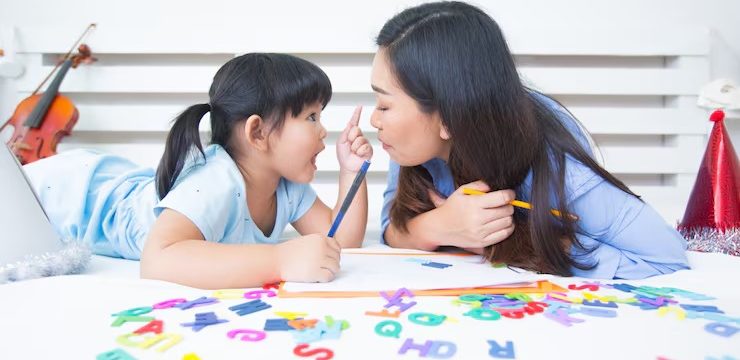
Encourage open dialogue about emotions. You might say, “It’s okay to feel angry when someone disagrees with you. Let’s talk about why you feel that way.” This not only validates their feelings but also opens a pathway for discussion. By normalizing emotional expression, children learn that it’s healthy to talk about their feelings rather than suppressing them.
Modeling calmness in your responses is equally important. Children are incredibly perceptive and often imitate the behaviors they observe. When you encounter a disagreement, demonstrate how to approach it with a level head. Use a calm tone of voice, maintain a relaxed posture, and express your thoughts respectfully. This modeling will provide a template for your child to emulate when they find themselves in similar situations.
Practicing mindful breathing
Mindfulness can be a powerful tool for managing emotions. Teaching children simple breathing techniques can empower them to regain their composure during moments of tension. You might introduce a breathing exercise by saying, “When you start to feel upset, try taking a deep breath in through your nose and out through your mouth. Let’s practice together.”
This technique can be especially effective during disagreements. Encourage your child to pause and take a few deep breaths before responding. This small act can create a moment of reflection, allowing them to process their feelings and consider a more measured response.
Creating a safe space for resolution
Another key aspect of encouraging calm responses during disagreements is establishing a safe space for resolution. Children should feel that they can express their thoughts without fear of judgment or harsh criticism. You can create this environment by emphasizing the importance of respect and active listening.
Teach them to listen to the other person’s perspective before responding. You might say, “When someone is sharing their point of view, let’s give them our full attention. It’s important to understand what they are saying.” Encourage them to ask questions for clarity, which can help them engage in a more constructive conversation.
Teach them the value of compromise as well. Sometimes, finding a middle ground can be the best way to resolve a disagreement. Discuss examples from your own life or stories from books where characters successfully navigated conflicts through compromise. This can help children see that disagreements don’t have to end in conflict; they can lead to growth and understanding.
Encouraging empathy
Empathy is a cornerstone of peaceful interactions. Helping children develop empathy can transform their approach to disagreements. Encourage them to consider how the other person might be feeling. You might say, “How do you think your friend felt when you disagreed? What do you think they wanted?”
By promoting empathetic thinking, you’re teaching children to step outside themselves and consider the broader context of the situation. This perspective can significantly alter how they respond to disagreements. When children understand the feelings of others, they are more likely to approach conflicts with kindness and patience.
Celebrating small victories
As children start to practice these skills, it’s essential to celebrate their progress, no matter how small. When they manage to handle a disagreement calmly, acknowledge their efforts. This reinforcement can motivate them to continue practicing these techniques. You might say, “I noticed how you took a deep breath before responding to your friend. That was a great way to stay calm!”
Recognizing their achievements builds their confidence and encourages them to apply these skills in the future. It also reinforces the idea that handling disagreements thoughtfully is a valuable life skill.
Creating opportunities for practice
Role-playing can be a fun and effective way for children to practice responding calmly during disagreements. Create scenarios that might occur in their everyday lives—like sharing toys or deciding on a game to play. Allow them to explore different responses in a safe and supportive environment.
As they practice, provide gentle feedback and guidance. Encourage them to incorporate the strategies you’ve discussed, such as active listening, empathy, and mindful breathing. This playful practice not only helps them develop their skills but also strengthens your bond as you work together toward a common goal.
Fostering resilience for the future
Ultimately, teaching children to respond calmly during disagreements equips them with tools they will carry into adulthood. The ability to manage emotions, communicate effectively, and empathize with others will serve them well in their relationships, both personal and professional.
As they grow, they will face more complex disagreements, but with a foundation built on these skills, they will be better prepared to navigate life’s challenges. Encourage them to view disagreements not as obstacles but as opportunities for growth, understanding, and connection.
In conclusion, nurturing calmness during disagreements is a journey that requires patience, practice, and love. By modeling calmness, promoting empathy, and creating safe spaces for dialogue, we can help our children develop the skills they need to handle conflicts gracefully. With your support, they can learn to embrace disagreements as a natural part of life, responding to them with understanding and respect.