In a world that often feels fast-paced and ever-changing, the rich tapestry of childhood traditions in China offers a serene glimpse into the values and customs that have shaped generations.
These traditions are not just rituals; they are heartfelt expressions of love, hope, and community, woven into the fabric of everyday life.
Exploring these customs can provide a deeper understanding of the cultural heritage that continues to influence modern Chinese families.
A gentle journey into the world of Chinese childhood traditions often begins with the celebration of a child’s birth. The arrival of a new baby is marked with great joy and elaborate ceremonies, reflecting the importance of family and lineage. One popular custom is the “red egg and ginger” tradition, where hard-boiled eggs dyed red symbolize good luck and happiness. Family and friends gather to share these eggs, wishing prosperity and health for the newborn. This simple yet profound gesture highlights the community’s role in nurturing the next generation.
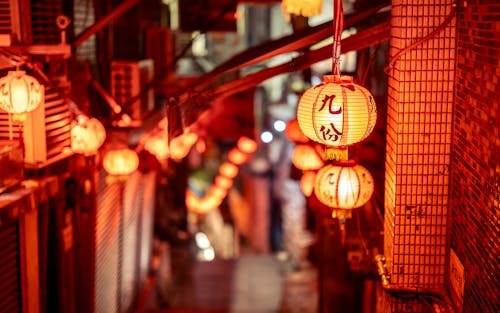
As children grow, various festivals and rituals play a significant part in their lives. The Lantern Festival, celebrated on the fifteenth day of the first lunar month, is a time when families come together to admire beautiful lanterns and enjoy sweet rice dumplings. This festival not only signifies the end of the Chinese New Year celebrations but also serves as a reminder of the importance of unity and togetherness. Children often participate in lantern-making activities, allowing their creativity to shine while fostering a sense of connection to their cultural roots.
Another cherished tradition is the practice of “zhuazhou,” or the “first birthday ceremony.” On this special day, a child is presented with a variety of objects, each representing different paths in life. The items may include books, a brush, a calculator, and even a toy car. The child’s choice reveals insights into their personality and potential future. This delightful ceremony emphasizes the belief that every child has unique talents and encourages families to support their individual journeys.
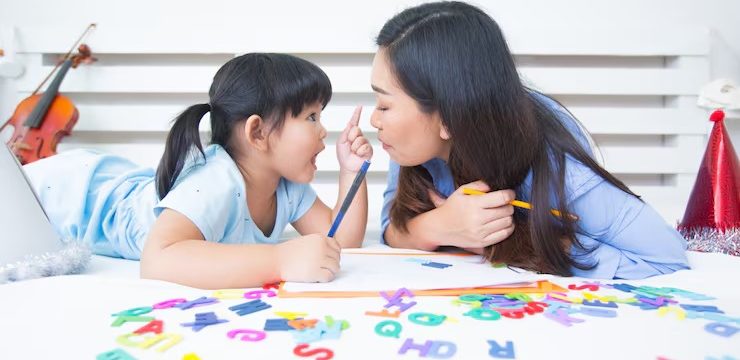
As children reach school age, the tradition of “qīngzǐ” or “the start of school” becomes significant. Families often celebrate this milestone with a small ceremony, where children are encouraged to write their first characters in calligraphy. This practice not only fosters a love for learning but also instills a sense of respect for education. The act of writing is seen as a bridge to knowledge, and the encouragement from family members reinforces the value of academic achievement in Chinese culture.
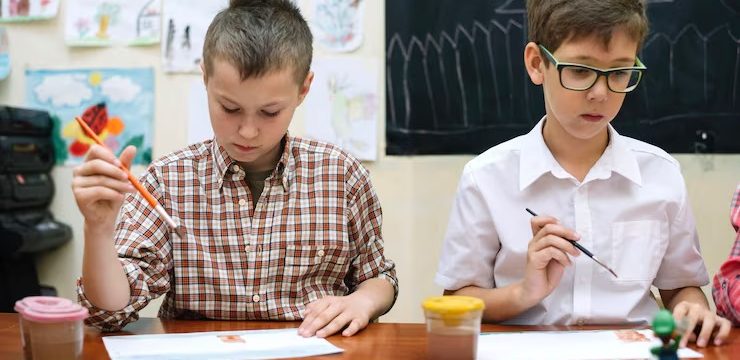
A small shift toward balance can be observed in the way Chinese families approach childhood education. While academic success is highly regarded, there is a growing recognition of the importance of emotional and social well-being. Many families are now embracing activities that promote creativity and personal expression, such as art, music, and sports. This holistic approach to childhood development acknowledges that nurturing a child’s heart and mind is just as essential as fostering their intellect.
As seasons change, traditional festivals continue to play a vital role in childhood experiences. The Mid-Autumn Festival, also known as the Moon Festival, is a time for families to gather, share mooncakes, and admire the full moon. Children often participate in lantern parades, creating beautiful memories that blend joy with cultural significance. This festival emphasizes gratitude for the harvest and the importance of familial bonds, reminding children of their place within a larger community.
The Chinese New Year is perhaps the most significant celebration in the Chinese calendar. Families engage in extensive preparations, from cleaning their homes to cooking traditional dishes. Children eagerly anticipate the arrival of the New Year, as it brings with it the promise of new beginnings and good fortune. The custom of receiving “hongbao,” or red envelopes filled with money, is particularly exciting for children, symbolizing blessings and prosperity for the year ahead. These traditions cultivate a sense of hope and renewal, instilling values of gratitude and generosity.
As children navigate their formative years, the practice of storytelling remains a cherished tradition. Elders often share folktales and myths, imparting moral lessons and cultural wisdom. These stories, rich in imagination and life lessons, help shape a child’s understanding of the world around them. They create a sense of continuity, connecting the past with the present and reinforcing the importance of family heritage.
The essence of Chinese childhood traditions lies in their ability to foster a sense of belonging and identity. As children grow, they carry these customs with them, shaping their worldview and influencing their interactions with others. The values embedded in these traditions—respect for family, appreciation for education, and the importance of community—continue to resonate, bridging generations and cultures.
In our ever-evolving world, the warmth of Chinese childhood traditions serves as a gentle reminder of the beauty found in simplicity and connection. By embracing these customs, families can cultivate a nurturing environment that celebrates individuality while honoring shared heritage. As we explore these traditions, we not only gain insight into Chinese culture but also discover universal themes of love, hope, and togetherness that resonate across all boundaries.
As we reflect on the unique childhood experiences shaped by these rituals, we find an invitation to cherish our own traditions, whatever they may be. In a time of rapid change, the lessons gleaned from these customs can inspire us to create lasting memories for the next generation, fostering a sense of peace and belonging in an ever-changing world.