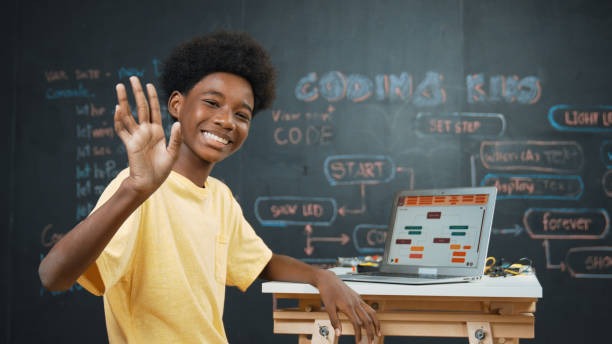
In a world increasingly driven by technology, fostering an interest in coding among children has become more vital than ever.
The beauty of coding lies not just in the lines of text that create programs, but in the problem-solving skills, creativity, and logical thinking it nurtures.
For parents looking to introduce their children to this exciting realm, step-by-step coding challenges can serve as a wonderful introduction. These challenges can transform what may seem like an intimidating subject into a playful and engaging adventure.
The journey of learning to code can start in the most unexpected of places. Imagine a cozy afternoon spent around the kitchen table, where a child’s curiosity is piqued by the idea of creating a simple game or animation. This is where the magic begins. Encouraging kids to tackle coding challenges step by step allows them to digest complex concepts in a manageable way, making learning feel like a delightful exploration rather than a daunting task.
One of the first steps in this journey is to find the right resources. Many platforms offer interactive coding environments designed specifically for kids. Websites like Scratch provide a visual programming language that allows children to snap together blocks of code, making it easy to see the immediate results of their efforts. This hands-on approach not only makes coding accessible but also invites creativity. Children can create their own stories, games, and animations, giving them a sense of ownership over their projects.
As children begin to engage with these platforms, it’s essential to introduce them to simple challenges that gradually increase in complexity. A gentle introduction could be creating a character that moves across the screen. This challenge teaches fundamental concepts such as sequencing and logic. As they complete this task, they experience the satisfaction of seeing their code come to life, which fosters a positive feedback loop that encourages further exploration.
A small shift toward balance can be found in the way challenges are presented. Rather than overwhelming children with intricate tasks, it’s helpful to frame coding as a series of fun puzzles. For instance, once they’ve mastered moving a character, the next step could involve making that character jump or interact with other objects. Each small victory builds confidence and keeps the momentum going. It’s vital to celebrate these achievements, no matter how small, as they collectively lead to a greater understanding of coding principles.
In the context of these challenges, collaboration can play an enriching role. Encouraging kids to work together on coding projects can cultivate teamwork and communication skills. Whether it’s a sibling, a friend, or a parent joining in, collaboration can spark new ideas and solutions. This shared experience can turn coding from a solitary task into a bonding activity, reinforcing the idea that learning can be both social and fun.
As children progress, introducing them to more sophisticated concepts, such as loops and conditionals, can be done through relatable examples. For instance, using a simple cooking recipe can illustrate the concept of a loop: repeating a sequence of steps to achieve a delicious outcome. This connection between coding and real-life scenarios not only makes the concepts more tangible but also enhances their relevance.
Another delightful aspect of coding challenges is their ability to blend creativity with logic. As children begin to grasp the basics, they can be encouraged to infuse their personalities into their projects. This could mean designing a game based on their favorite story or creating an animation that reflects their interests. Allowing children to express themselves through their coding projects fosters a sense of pride and individuality, making the learning experience even more rewarding.
The importance of patience and perseverance in learning to code cannot be overstated. Challenges will arise, and not every attempt will lead to success. It’s during these moments that children can learn resilience and the value of problem-solving. Encouraging them to troubleshoot their code, experiment with different solutions, and not be afraid of mistakes helps cultivate a growth mindset. This mindset will serve them well, not just in coding, but in many aspects of life.
For those looking to deepen their child’s coding experience, there are numerous online communities and forums dedicated to young coders. These platforms provide a space for children to share their projects, seek advice, and connect with peers who share their interests. Engaging with a community can enhance their learning journey, providing inspiration and support as they continue to explore the world of coding.
As the challenges become more intricate, it’s helpful to introduce concepts like debugging. Teaching children how to identify errors in their code and correct them is a valuable skill that extends beyond programming. This process encourages analytical thinking and reinforces the idea that mistakes are a natural part of learning.
Incorporating storytelling into coding can also be a magical way to engage children. Encouraging them to create interactive stories where choices lead to different outcomes can blend creativity with coding skills. This approach not only makes coding more enjoyable but also enhances their narrative skills, allowing them to express themselves in new and exciting ways.
As we reflect on the journey of introducing coding to children, it’s clear that the process is not just about learning a technical skill. It’s about nurturing curiosity, creativity, and resilience. Step-by-step coding challenges offer a pathway to not only understand programming but to develop essential life skills. As children embark on this adventure, they discover that coding is not merely a skill for the future; it is a medium for self-expression and a tool for problem-solving in our ever-evolving world.
In conclusion, the world of coding is vast and full of possibilities. By guiding children through step-by-step challenges, we can help them unlock their potential and inspire a lifelong love for learning. With each line of code, they are not just learning to program; they are learning to think, create, and innovate. As parents and educators, our role is to nurture this journey, allowing their imaginations to soar as they discover the joy of coding.