In a world that is constantly evolving, the intersection of technology and education is becoming more significant than ever.
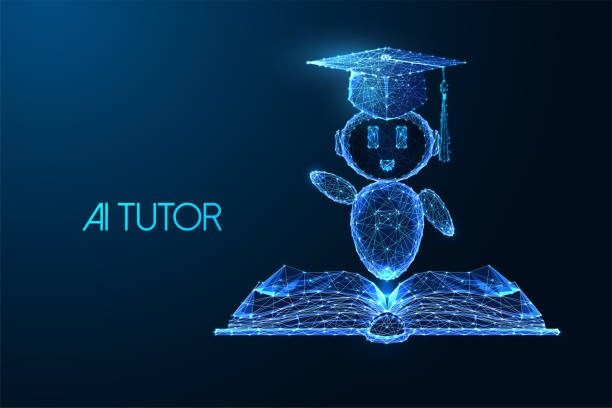
Artificial Intelligence (AI) is at the forefront of this transformation, paving the way for adaptive assessments that are not just smarter but also more attuned to individual learning needs.
This development could very well be the key to a more personalized educational experience, offering students the chance to thrive in ways that traditional testing methods often overlook.
The concept of adaptive assessments is rooted in the idea that each learner is unique. Just as we all have different tastes in music or varying preferences for food, our learning styles and paces differ. Imagine walking into a classroom where the tests adapt to your level of understanding, gently guiding you through questions that challenge you just enough to promote growth without overwhelming you. This is the promise that AI brings to the realm of education.
The beauty of adaptive assessments lies in their ability to adjust in real-time. As a student answers questions, the system is continuously evaluating their performance and adjusting the difficulty of subsequent questions. This means that if a student is breezing through the material, the questions will become more challenging, pushing them to stretch their abilities. Conversely, if a student is struggling, the system can offer easier questions or even revisit fundamental concepts to build a stronger foundation. This tailored approach not only fosters a sense of accomplishment but also helps to reduce anxiety, a common companion in traditional testing environments.
While the technology behind AI and adaptive assessments is intricate, the user experience can be remarkably straightforward. Students interact with the assessments through digital platforms that are often designed to be engaging and user-friendly. This interface can include interactive elements that make learning feel less like a chore and more like an exploration. By making assessments feel more like a conversation, rather than an interrogation, students may find themselves more open to the learning process.
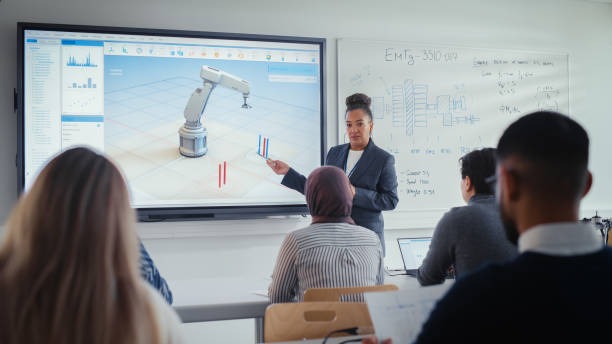
The role of educators in this landscape is equally vital. While AI can provide insights and data on student performance, teachers remain the heart of the educational experience. They can interpret the information gleaned from adaptive assessments to provide targeted support and guidance. Teachers can identify patterns in student responses, which can inform their instructional strategies. This partnership between technology and human insight creates a dynamic learning environment where students are more likely to succeed.
Of course, the integration of AI into education is not without its challenges. Concerns about data privacy, equity in access to technology, and the potential for over-reliance on automated systems are valid and must be addressed thoughtfully. Ensuring that all students have access to the necessary technology is crucial for the success of adaptive assessments. Additionally, educators will need ongoing training to effectively incorporate these tools into their teaching practices, ensuring they complement rather than replace the human elements of learning.
As we navigate this exciting frontier, it’s essential to keep the conversation open about the role of AI in education. Parents, educators, and policymakers must work together to create a framework that prioritizes the well-being of students while embracing the benefits of technology. The aim should be to enhance, not hinder, the learning journey.
A small shift toward balance can make a significant difference. By integrating AI thoughtfully, we can create an educational landscape where adaptive assessments empower students to take charge of their learning. This shift fosters an environment where curiosity is nurtured, and each student can explore their interests at their own pace.
In this new paradigm, we might also see a reduction in the stigma often associated with testing. When assessments are designed to adapt to individual needs, students may feel less pressure to conform to a standardized measure of success. Instead, they can view assessments as a tool for growth, a chance to reflect on their learning journey rather than a definitive judgment of their abilities.
As we look toward the future, it’s exciting to envision classrooms where technology and human connection coexist harmoniously. Imagine a world where students are not just passive recipients of information but active participants in their educational experience. Adaptive assessments can serve as a bridge to a more engaging and responsive learning environment, allowing students to flourish in ways that are meaningful to them.
The journey toward integrating AI and adaptive assessments into education is just beginning. While there may be hurdles to overcome, the potential benefits for students are immense. By embracing this technology with open hearts and minds, we can create a brighter future for learners everywhere.
As we continue to explore the possibilities that AI offers, let’s remember the ultimate goal: to cultivate a love of learning that lasts a lifetime. With the right balance of technology and human touch, we can ensure that education becomes not just a means to an end, but a fulfilling and enriching journey for every student.