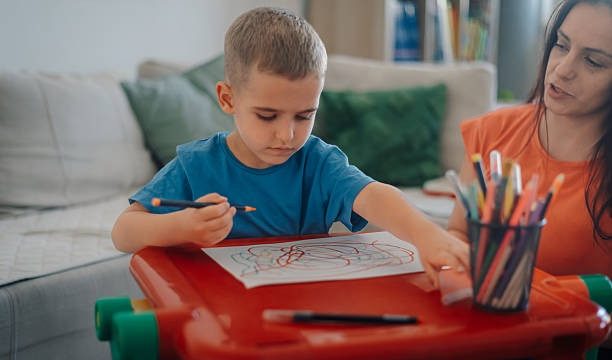
Creative writing is a beautiful form of self-expression, a way to explore our thoughts and emotions through the art of words.
Yet, for many, it can sometimes feel like a daunting task.
The pressure to create something meaningful or the fear of judgment can stifle our creativity. However, making creative writing more enjoyable is not only possible but can also be a rewarding journey. Here are some gentle suggestions to help you embrace the joy of writing.
Finding your space
Creating an inviting and comfortable writing space can have a profound effect on your writing experience. Whether it’s a cozy nook in your home, a sunny spot in a local café, or a quiet park bench, the environment you choose can influence your creativity. Surround yourself with inspiring items—perhaps a favorite book, a piece of art, or even a lovely plant. This personal touch can create a comforting atmosphere that encourages your thoughts to flow freely.
Rituals that inspire
Establishing a writing ritual can transform the act of writing into a cherished part of your day. This could be as simple as enjoying a warm cup of tea while you write, lighting a scented candle, or taking a few moments to meditate before you begin. These small actions signal to your mind that it’s time to create and can help shift your focus away from distractions. Over time, these rituals can become a source of comfort and inspiration, making the writing process feel more special.
Letting go of perfection
One of the biggest obstacles in creative writing is the pressure to be perfect. This can lead to frustration and self-doubt, which stifle creativity. Instead, try to embrace the idea that writing is a process, not a product. Allow yourself to write freely without the need for it to be flawless. The first draft is just that—a draft. Give yourself permission to make mistakes, and you might find that your writing becomes more authentic and enjoyable. Remember, every great piece of writing starts with a messy first attempt.
Exploring different genres
Sometimes, stepping outside of your comfort zone can reignite your passion for writing. If you usually write fiction, try your hand at poetry or creative nonfiction. Experimenting with different styles can open up new avenues of creativity and help you discover fresh perspectives. You might stumble upon a genre that resonates deeply with you, making the writing experience feel more fulfilling and enjoyable.
Engaging with a community
Writing can often feel like a solitary endeavor, but it doesn’t have to be. Engaging with a community of fellow writers can provide support, inspiration, and motivation. Consider joining a local writing group or participating in online forums. Sharing your work and receiving feedback can be incredibly rewarding, and you may find that others share your struggles and triumphs. The camaraderie of a writing community can remind you that you are not alone on this creative journey.
Setting small goals
When faced with the vast landscape of a blank page, it can be easy to feel overwhelmed. Instead of focusing on completing an entire chapter or finishing a story, set small, manageable goals for yourself. Perhaps you aim to write for just ten minutes a day or complete a paragraph. These small achievements can build momentum and make writing feel less daunting. Celebrate your progress, no matter how small, and you’ll find that the writing process becomes more enjoyable.
Incorporating playfulness
Embracing a sense of playfulness can transform your writing experience. Allow yourself to explore silly ideas, whimsical characters, or outrageous plots without fear of judgment. Writing should be fun, and letting go of seriousness can lead to unexpected and delightful discoveries. Consider engaging in writing prompts or exercises that encourage spontaneity. This playful approach can help you reconnect with the joy of storytelling and spark your creativity.
Reading widely
Reading is an essential part of the writing process. It exposes you to various styles, voices, and ideas that can inspire your own work. Make time to read books that excite you, whether they are novels, essays, or poetry. Allow yourself to be swept away by different narratives and styles. Not only will this broaden your understanding of writing, but it will also remind you of the beauty and power of words, reigniting your passion for creating your own stories.
Embracing your voice
Every writer has a unique voice, and embracing yours can make writing feel more enjoyable. Rather than trying to imitate someone else’s style, focus on what makes your writing distinctly yours. This might involve reflecting on your personal experiences, beliefs, and values. Writing from a place of authenticity can be liberating and can lead to more genuine connections with your readers. When you write in your own voice, the process becomes more fulfilling and enjoyable.
Taking breaks
Sometimes, the best way to enhance your writing experience is to step away from it for a while. Taking breaks allows your mind to rest and recharge, giving you a fresh perspective when you return to your work. Whether it’s a short walk, a moment of stretching, or simply stepping away from your desk, these pauses can help alleviate feelings of burnout and frustration. You might find that your ideas flow more freely after a brief respite.
Listening to your instincts
Finally, trust your instincts when it comes to your writing. If something doesn’t feel right, or if you find yourself dreading a particular piece, allow yourself the flexibility to change direction. Writing should be a process of exploration, and it’s okay to pivot if you feel called to do so. Listening to your inner voice can lead you to unexpected places, making the journey of creative writing more enjoyable.
Creative writing is a deeply personal and fulfilling endeavor. By nurturing your creativity through a supportive environment, playful exploration, and authentic expression, you can transform your writing experience into something truly enjoyable. Allow yourself the freedom to create without constraints, and you may discover a wellspring of joy in the process.