Geometry often feels like a puzzle waiting to be solved, a world of shapes, angles, and the relationships between them.
For beginning students, this subject can evoke both curiosity and trepidation.
It’s a journey that, when approached with a gentle mindset, can unfold into a delightful exploration of the mathematical universe. Let’s delve into some friendly lessons designed to ease newcomers into the comforting embrace of geometry.
Understanding the basics of geometry is akin to learning a new language. Just as we start with simple words and phrases, geometry begins with fundamental concepts. At its core, geometry is about understanding shapes and their properties. The most basic elements include points, lines, and planes. A point is a precise location, a line is a collection of points extending infinitely in both directions, and a plane is a flat surface that extends infinitely. Grasping these concepts lays the groundwork for deeper explorations.
As we venture further, we encounter the delightful world of shapes. Triangles, squares, circles, and polygons each have unique characteristics that make them special. For instance, triangles are known for their stability and strength, which is why they are often used in construction. Understanding the properties of these shapes can be both fun and rewarding. Engaging with physical objects—like drawing shapes in the sand or using everyday items to create geometric figures—can make the learning process feel more tangible and enjoyable.
A gentle approach to geometry also involves recognizing the importance of angles. Angles are formed when two lines meet, and they can be classified into various types: acute, right, obtuse, and straight. Each type has its own unique flair. Visualizing these angles in real-life scenarios, like the corners of a book or the hands of a clock, can help solidify their meanings. Encouraging students to observe their surroundings can turn geometry into a delightful scavenger hunt, where every angle found adds to their understanding.
As students become comfortable with shapes and angles, they can explore the relationships between them. This is where geometry truly begins to shine, revealing its interconnectedness. For example, the Pythagorean theorem, which relates the sides of a right triangle, is a beautiful illustration of how geometry can connect different concepts. Rather than viewing this theorem as a mere formula to memorize, students can embrace it as a window into understanding the world around them. It shows how mathematics can explain the very fabric of our reality.
In geometry, measurement plays a pivotal role. Understanding how to measure length, area, and volume can be both practical and enlightening. Students can practice measuring objects around their homes or classrooms, fostering a sense of connection between abstract concepts and the physical world. This hands-on approach not only solidifies their understanding but also instills a sense of accomplishment. The realization that geometry is not just confined to the pages of a textbook but is alive and relevant in everyday life can be incredibly empowering.
A small shift toward balance can also be beneficial in the realm of geometry. It’s important for students to understand that mistakes are part of the learning process. Geometry, like any other subject, can present challenges. When students approach these challenges with a mindset of curiosity rather than fear, they can discover new strategies and insights. Encouraging a positive attitude toward mistakes fosters resilience and growth, allowing students to flourish in their understanding of geometry.
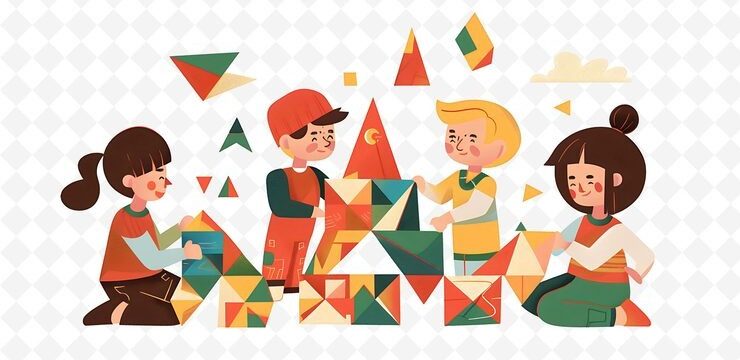
Collaboration can enhance the learning experience as well. Working with peers can provide different perspectives and insights that enrich one’s understanding of geometric concepts. Group activities, such as building geometric models or solving problems together, can create a supportive learning environment. This sense of community can alleviate anxiety and make geometry feel less daunting. The shared experience of grappling with new ideas can transform learning into a joyful adventure.
As students progress, they may encounter more complex ideas, such as congruence and similarity. These concepts explore how shapes can be alike in certain ways, even if they differ in size. Understanding these relationships can deepen their appreciation for the beauty of geometry. Encouraging students to create their own geometric patterns or designs can spark creativity and reinforce their understanding of these concepts. This artistic approach can make geometry feel more like an art form, blending creativity with logic.
Another enriching aspect of geometry is its historical context. Exploring the contributions of ancient civilizations, such as the Egyptians and Greeks, can add depth to the learning experience. Understanding how geometry has shaped architecture, art, and science throughout history can inspire students to see mathematics as a living, breathing entity. This historical perspective can foster a sense of connection to the past, reminding students that they are part of a long tradition of thinkers and creators.
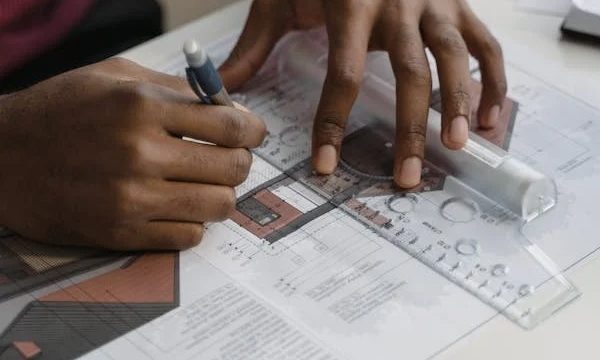
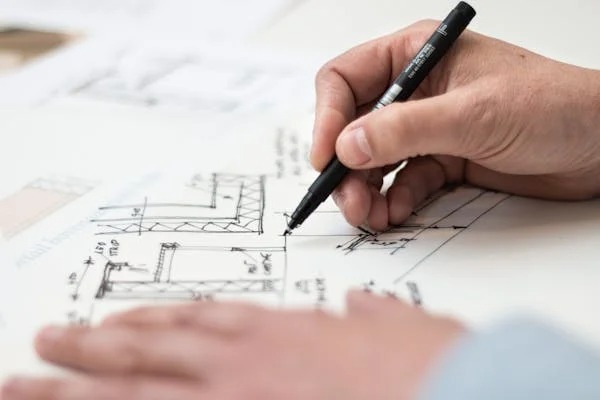
As students become more confident in their geometric skills, they can begin to explore applications in various fields. From architecture to engineering, the principles of geometry are at work in countless professions. Encouraging students to consider how geometry plays a role in their interests can help them see the relevance of what they are learning. Whether it’s designing a video game, planning a garden, or creating a piece of art, the possibilities are endless.
In conclusion, the journey into the world of geometry can be a warm and welcoming experience for beginning students. By approaching the subject with curiosity, embracing mistakes, and fostering collaboration, students can develop a strong foundation. As they explore the beauty and complexity of geometric concepts, they will not only gain mathematical skills but also cultivate a lifelong appreciation for the wonders of the world around them. Geometry is not just about numbers and shapes; it is a pathway to understanding the intricate tapestry of our existence.