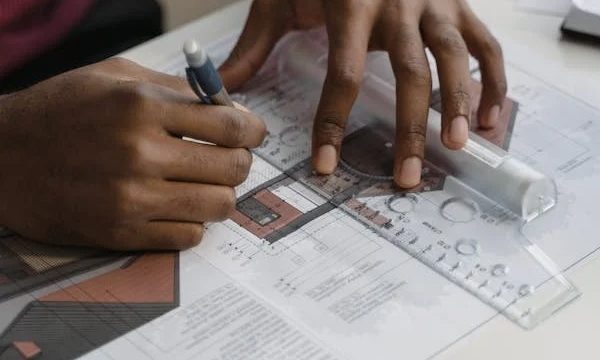
Understanding Compass and Straightedge Methods
In a world increasingly driven by technology, the elegance of traditional methods can often be overlooked.
Among these timeless techniques, the art of compass and straightedge construction stands out as a beautiful blend of simplicity and creativity.
This ancient practice, rooted in geometry, invites us to explore the delicate balance between precision and artistry.
The charm of compass and straightedge methods lies in their straightforwardness. With just two tools, a compass and a straightedge, one can create intricate geometric figures and solve complex problems. The compass allows for the drawing of perfect circles and arcs, while the straightedge provides the means to connect points with straight lines. Together, they form the foundation of geometric construction, fostering a deeper understanding of spatial relationships.
As we delve into this topic, it’s fascinating to consider the historical significance of these methods. The Greeks, particularly Euclid, laid much of the groundwork for modern geometry, emphasizing the importance of rigorous proof and logical reasoning. Compass and straightedge constructions were not merely tools for mathematicians; they were a way to engage with the world, revealing the underlying order and beauty of nature. This approach encourages a sense of mindfulness, inviting practitioners to slow down and appreciate the process of creation.
A small shift toward balance can occur when we embrace the simplicity of these methods. In a society that often prioritizes speed and efficiency, taking the time to engage in such a tactile and contemplative practice can bring a sense of tranquility. Whether you are sketching a simple triangle or exploring the complexities of geometric transformations, each line drawn and circle traced becomes a meditative experience.
Engaging with compass and straightedge techniques can also foster a sense of community. Imagine gathering with friends or family, sharing the joy of creating geometric art together. The collaborative aspect of these methods can lead to delightful conversations, as each person brings their unique perspective and creativity to the table. In this way, compass and straightedge construction becomes not just an individual pursuit but a shared journey, weaving connections through the shared experience of creating something beautiful.
As we explore more about the geometric world, it’s essential to recognize the broader applications of these methods. Beyond their aesthetic appeal, compass and straightedge techniques can serve as powerful tools for problem-solving. Many complex mathematical concepts can be approached through these simple constructions, providing clarity and insight. The process of working through geometric problems encourages critical thinking and fosters a sense of accomplishment when a solution is reached.
This journey into geometry can also inspire a deeper appreciation for the world around us. The principles of symmetry and proportion found in nature mirror the constructs we create with our compass and straightedge. From the intricate patterns of a snowflake to the harmonious proportions of a sunflower, the universe is filled with examples of geometric beauty. By engaging with these methods, we become more attuned to these patterns, enhancing our connection to the natural world.
Incorporating compass and straightedge techniques into your daily life can be a rewarding experience. Consider setting aside a few moments each week to explore this artistic form of geometry. Whether you choose to sketch in a notebook, create designs for home decor, or even explore architectural concepts, the possibilities are endless. Each session becomes an opportunity to unwind, allowing your mind to wander while your hands create.
It’s also worth noting that the practice of compass and straightedge construction can serve as a wonderful introduction to the world of mathematics for those who may feel intimidated by the subject. The tactile nature of the tools, combined with the visual outcomes, makes geometry accessible and engaging. This can inspire a sense of curiosity and wonder, encouraging individuals to explore further into the realms of mathematics and art.
As you embark on your own journey with compass and straightedge methods, remember that the focus should be on the process rather than the outcome. Embrace the imperfections that may arise along the way. Each line drawn reflects your unique touch, and every circle holds a story of exploration and discovery. This gentle approach fosters a sense of self-compassion, allowing you to appreciate your efforts and creativity.
In a world where the pace of life often feels overwhelming, the simplicity of compass and straightedge methods offers a refreshing pause. It invites you to embrace the beauty of creation and the joy of discovery. Whether you are exploring geometric shapes for the first time or revisiting these techniques after years, remember that each moment spent with your compass and straightedge is a step toward a more mindful and connected existence.
Ultimately, understanding and practicing compass and straightedge methods can lead to a profound sense of fulfillment. It encourages us to engage with the world in a more meaningful way, appreciating the intricate connections between art, mathematics, and nature. So, gather your tools, find a quiet space, and allow yourself to be carried away by the gentle rhythm of creation. In this harmonious dance of lines and circles, you may just uncover a deeper understanding of both geometry and yourself.