Learning Geometry Through Real-World Examples
Geometry is often seen as one of those subjects that lives in textbooks, filled with abstract shapes and complex formulas.
Yet, if we take a moment to look around, we’ll find that geometry is woven into the fabric of our everyday lives.
From the architecture of our homes to the art we admire, geometry is all around us, providing both structure and beauty. Embracing this perspective can transform our understanding of geometry from a challenging school subject into a fascinating exploration of the world around us.
Consider the simple act of walking through a park. As you stroll along the paths, take note of the circular flower beds that dot the landscape. Each bed is a perfect example of a circle, one of the fundamental shapes in geometry. The radius, diameter, and circumference of these circles are not just theoretical concepts; they represent the actual measurements that make these lovely arrangements possible. When we appreciate the beauty of a flower bed, we are also recognizing the geometric principles that allow it to exist in such harmony with its surroundings.
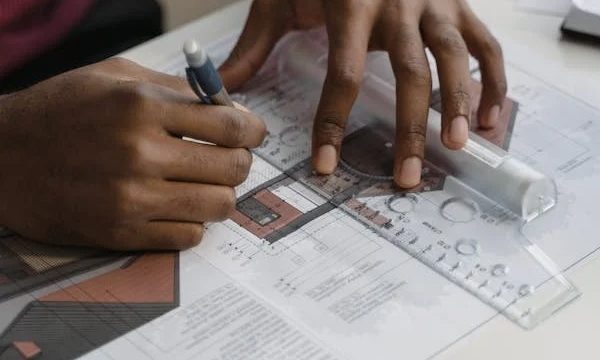
As we move through our environment, buildings provide another rich source of geometric inspiration. The structures we admire, from quaint cottages to towering skyscrapers, are often designed with geometric precision. Architects use triangles, rectangles, and other shapes to create stable and aesthetically pleasing buildings. The triangular roof of a house, for instance, is not just a stylistic choice; it’s a shape that effectively distributes weight, ensuring the structure remains sound. By examining these designs, we can gain a deeper understanding of how geometry plays a crucial role in both functionality and beauty.
Art is another area where geometry shines. Artists have long utilized geometric shapes to create balance and harmony in their work. Take a moment to look at a painting or sculpture; you’ll likely see circles, squares, and triangles working together to draw the viewer’s eye and convey meaning. For instance, the work of Piet Mondrian, known for his grid-like compositions, demonstrates how simple geometric forms can evoke a complex emotional response. By studying the use of geometry in art, we can learn not only about shapes but also about the emotional power they hold.
In our homes, geometry is present in the design of furniture and decor. Consider the coffee table in your living room. Its shape—whether rectangular, circular, or even hexagonal—affects how we interact with the space. A round table encourages conversation, while a rectangular one may create a more formal dining experience. The proportions of these shapes can influence how we feel in a room, affecting our comfort and the overall atmosphere. Recognizing these geometric principles can help us make more intentional choices about our living spaces, fostering an environment that feels both functional and inviting.
Nature, too, is a master of geometry. The spirals of a seashell, the symmetry of a snowflake, and the hexagonal patterns of a honeycomb all showcase the intricate relationship between geometry and the natural world. These patterns not only serve functional purposes—like the structure of a beehive—but also inspire us with their beauty. By observing these natural examples, we can develop a greater appreciation for geometry as a language that describes the world around us. It invites us to reflect on the interconnectedness of all things, reminding us that even the most complex systems can be understood through simple shapes and relationships.
In our daily routines, we can find geometry in the most unexpected places. Cooking, for instance, often involves measurements and proportions that are deeply rooted in geometric concepts. Whether you’re cutting vegetables into uniform pieces or measuring ingredients for a recipe, you’re actively engaging with geometry. Understanding the shapes and sizes of these ingredients can improve not only the presentation of your dish but also its flavor and texture. It’s a delightful reminder that geometry is not just an academic exercise; it’s a practical tool that enhances our culinary adventures.
As we navigate through life, geometry can also serve as a metaphor for balance and harmony. Just as shapes can create structure in a physical space, we can apply geometric principles to our lives. Finding balance in our schedules, relationships, and personal goals is akin to achieving symmetry in a geometric design. When we take a moment to reflect on how we can bring more balance into our lives, we might find inspiration in the shapes we encounter daily. This gentle reminder can lead to a more fulfilling and harmonious existence.
Engaging with geometry through real-world examples allows us to appreciate its relevance in our lives. It invites us to observe our surroundings with fresh eyes, transforming the way we understand shapes and spaces. Whether we’re admiring the architecture of a beloved building, creating a meal in the kitchen, or simply enjoying nature, geometry is an ever-present companion. By embracing this perspective, we can cultivate a deeper connection to the world around us, enriching our experiences and expanding our understanding of this beautiful subject.
In a world that often feels chaotic, geometry offers a sense of order and clarity. It reminds us that even in complexity, there is beauty to be found in simple shapes and relationships. So, the next time you encounter a circle, triangle, or any geometric form, take a moment to appreciate its significance. Whether it’s in nature, art, or architecture, geometry is a powerful lens through which we can explore and understand our world, creating a harmonious balance in both our physical and emotional landscapes.