Understanding Early Skill Development and Foundations
In the gentle ebb and flow of childhood, the early years stand as a profound period of growth and discovery.
It is during these formative years that children lay the groundwork for their future learning and social interactions.
Understanding early skill development is not merely about tracking milestones; it’s about nurturing a holistic environment that fosters curiosity, creativity, and confidence.
The journey of skill development begins from the moment a child is born. Infants start to engage with the world through their senses—touching, tasting, listening, and observing. Each experience, no matter how small, contributes to their understanding of their surroundings. As caregivers, it’s essential to recognize that these early interactions are the building blocks of cognitive, emotional, and physical skills.
As children grow, they begin to explore their abilities through play. This unstructured time is invaluable. Play is not just a way to pass the time; it is a critical component of learning. Through imaginative scenarios and role-playing, children develop social skills, learn to negotiate, and practice empathy. When they engage in cooperative play, they learn to share, take turns, and resolve conflicts—skills that will be vital throughout their lives.
Creating a nurturing environment is key to supporting this natural inclination toward play. Simple adjustments in routine can make a world of difference. For instance, setting aside dedicated time for free play allows children to express their thoughts and feelings without the constraints of adult expectations. Whether it’s building with blocks, drawing with crayons, or pretending to cook in a play kitchen, these activities provide a canvas for skill development that is both enjoyable and educational.
As we gently guide children through their early years, it is essential to recognize the importance of language development. From the coos and babbles of infancy to the intricate conversations of preschoolers, language is a vital tool for expression and connection. Reading together, singing songs, and engaging in dialogue all contribute to a child’s vocabulary and comprehension skills. Encouraging a love for stories and language not only enhances communication abilities but also ignites a passion for learning that can last a lifetime.
Social and emotional skills are equally important. Children are naturally attuned to the emotions of those around them. They observe and mimic, learning how to express their feelings and respond to the feelings of others. Parents and caregivers can nurture this development by modeling emotional intelligence. Acknowledging a child’s feelings, whether through words of comfort or playful engagement, helps them understand and manage their emotions. This foundation of emotional awareness is crucial for building healthy relationships in the future.
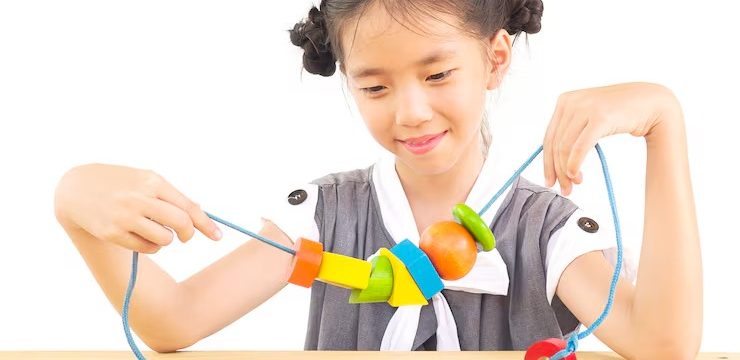
As children approach preschool age, their fine motor skills begin to develop more rapidly. Activities that involve cutting, drawing, and manipulating small objects help strengthen these skills. Simple crafts, puzzles, and even cooking can provide opportunities for children to practice hand-eye coordination and dexterity. Encouraging independence during these activities fosters confidence and a sense of achievement, setting the stage for more complex tasks as they grow.
It’s also important to introduce children to the concept of problem-solving. When faced with a challenge, whether it’s figuring out how to build a taller tower or completing a puzzle, children learn to think critically and creatively. Offering gentle guidance rather than immediate solutions encourages them to explore different strategies and persevere through difficulties. This skill will serve them well not just in academics but in all areas of life.
A small shift toward balance can have a significant impact on how children approach learning. In our fast-paced world, it’s easy to be drawn into a cycle of structured activities and scheduled lessons. While these can be beneficial, it’s essential to balance them with unstructured time for exploration and play. Children thrive when they have the freedom to discover at their own pace, allowing their interests to guide their learning journey.
As we consider the various aspects of early skill development, it’s essential to remember that each child is unique. Their interests, strengths, and challenges will shape their path. Embracing this individuality is vital. Rather than comparing children to their peers, focusing on their personal growth and celebrating small successes fosters a positive environment. Encouragement and support can inspire them to take risks, try new things, and develop resilience in the face of setbacks.
The role of caregivers in this process cannot be overstated. Providing a safe, loving environment where children feel valued and understood is fundamental to their development. Listening to their thoughts and engaging in meaningful conversations helps build trust and confidence. When children know they are heard, they are more likely to express themselves and explore the world around them.
In conclusion, understanding early skill development is a journey that involves patience, love, and awareness. It is about creating an environment that nurtures curiosity and fosters growth in all areas—cognitive, emotional, and physical. By recognizing the importance of play, language, social skills, and problem-solving, we can support children as they build the foundations for a lifetime of learning. As we embark on this journey with them, let us celebrate their unique paths and the beautiful discoveries that lie ahead.