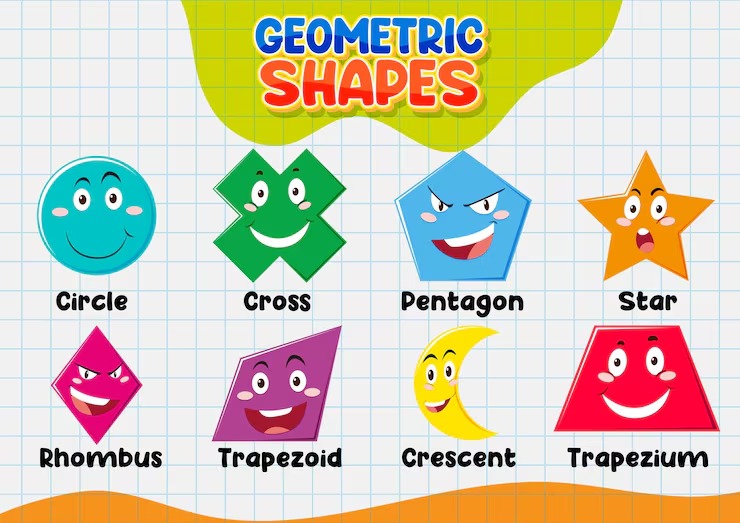
Geometry often evokes a mix of feelings for many new learners.
Some find it intimidating, while others may simply feel disconnected from the shapes, angles, and figures that make up this fascinating branch of mathematics.
Yet, the beauty of geometry lies in its ability to connect with the world around us, and with a little creativity and encouragement, it can become an enjoyable journey of discovery.
A gentle introduction to geometry can transform it into a delightful experience rather than a daunting task. One of the simplest ways to make geometry more engaging is to relate it to real-life situations. When learners see how geometry manifests in their everyday surroundings, it becomes more tangible and interesting. For instance, the shapes of buildings, the symmetry in nature, or the patterns found in art and design can all serve as gateways into the world of geometric concepts.
Creating a visual connection can be particularly helpful. Imagine taking a stroll through a park and pointing out the circular paths, the triangular rooftops of nearby buildings, or the rectangular benches. By inviting learners to notice these shapes in their environment, you encourage them to develop a sense of curiosity. This approach not only makes geometry more enjoyable but also helps learners understand its relevance in the world.
Another effective strategy is to incorporate hands-on activities. Engaging learners in activities where they can physically manipulate shapes can foster a deeper understanding of geometric principles. Simple crafts, such as building models with clay or paper, can be both fun and educational. As they create, they can explore concepts like angles, symmetry, and congruence in a playful manner.
Incorporating technology can also enhance the learning experience. There are numerous apps and online platforms designed to make learning geometry interactive and enjoyable. These tools often include games and challenges that provide instant feedback, allowing learners to progress at their own pace. The gamification of geometry not only makes the subject more accessible but also adds an element of fun, encouraging learners to engage with the material in a relaxed setting.
Creating a supportive learning environment is equally important. Encouragement and positive reinforcement can significantly impact a learner’s attitude toward geometry. Acknowledge their efforts, celebrate small victories, and remind them that it’s perfectly normal to make mistakes. This approach fosters a growth mindset, allowing learners to embrace challenges rather than shy away from them.
Another gentle shift that can enhance the learning process is to integrate storytelling into geometry lessons. Narratives can provide context and make abstract concepts more relatable. For example, telling a story about a character who embarks on an adventure to find the lost treasure hidden in a geometric maze can capture the imagination of young learners. Through the character’s journey, they can explore various geometric shapes and principles while engaging with the storyline.
In addition to storytelling, incorporating art can create a rich blend of creativity and geometry. Encouraging learners to create geometric art, such as mandalas or tessellations, allows them to express themselves while exploring shapes and patterns. This fusion of artistic expression and mathematical understanding can cultivate a love for geometry that transcends traditional learning methods.
As learners become more comfortable with geometric concepts, it’s essential to encourage exploration and inquiry. Asking open-ended questions can lead to deeper thinking and understanding. Instead of simply providing answers, guide learners to discover solutions themselves. This inquiry-based approach not only builds critical thinking skills but also empowers learners to take ownership of their learning journey.
Creating connections with peers can also enhance the learning experience. Group activities or collaborative projects can foster a sense of community and shared learning. Working together on geometric challenges encourages communication and teamwork, making the learning process more enjoyable. As learners share their ideas and strategies, they can learn from one another, reinforcing their understanding of geometric concepts in a supportive atmosphere.
As the journey through geometry unfolds, it’s important to recognize that learning is a process. Emphasizing the importance of practice and persistence can help learners develop confidence in their abilities. Remind them that even the most skilled mathematicians started as beginners and that each step they take is a valuable part of their growth.
Ultimately, making geometry enjoyable for new learners is about creating connections, encouraging exploration, and fostering a supportive environment. By integrating real-life contexts, hands-on activities, technology, storytelling, and art, we can transform geometry from a source of anxiety into a source of joy. As learners begin to see the beauty of shapes and patterns in the world around them, they will not only develop their mathematical skills but also cultivate a lifelong appreciation for the wonders of geometry.
In this journey, it’s essential to remember that every learner is unique. Embracing individual learning styles and interests can lead to a more personalized and fulfilling experience. By nurturing curiosity and creativity, we can inspire a new generation of geometry enthusiasts who see not just the numbers and formulas, but the artistry and elegance that geometry brings to life.
As we continue to explore and celebrate the world of shapes and angles, let’s encourage new learners to embrace their journey with open hearts and open minds. After all, geometry is not just about finding the right answers; it’s about discovering the beauty and wonder that lies within the shapes around us.