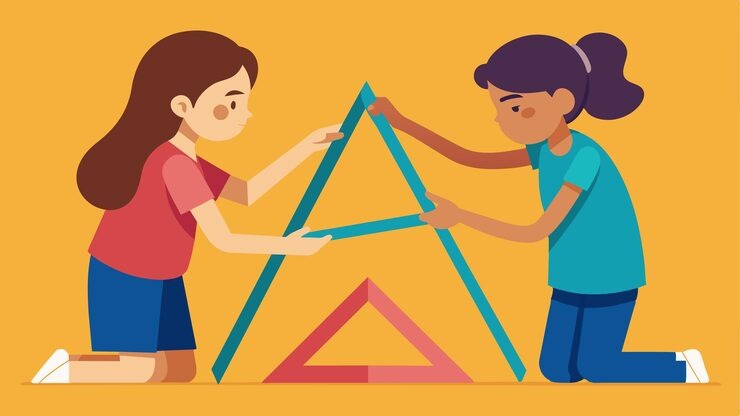
In our daily lives, we often overlook the intricate dance between geometry and technology.
From the devices we hold in our hands to the cars we drive, geometric principles shape the very foundations of modern technology.
While geometry may seem like a subject confined to classrooms, its influence extends far beyond the pages of textbooks.
Let’s explore how this fascinating branch of mathematics intertwines with our technological world, enhancing our experiences and shaping our future.
The elegance of design
One of the most palpable ways geometry influences technology is through design. Every smartphone, tablet, and laptop we use is a product of thoughtful geometric consideration. Designers and engineers utilize geometric shapes to create devices that are not only functional but also aesthetically pleasing. The sleek curves of a smartphone or the angular lines of a laptop hinge are intentional choices that enhance both ergonomics and visual appeal.
When we think about user experience, geometry plays a pivotal role. The layout of an app, the arrangement of buttons, and the overall flow of a website depend on geometric principles. A well-designed interface guides users seamlessly from one feature to another, creating an intuitive experience. This harmony between form and function is essential in a world where technology is intertwined with our everyday lives.
A small shift toward balance
Geometry isn’t just about shapes; it’s also about balance and symmetry. In the realm of technology, achieving balance can mean the difference between a successful product and one that falls flat. For instance, in product design, the distribution of weight is crucial. A well-balanced device feels comfortable in the hand, while an imbalanced one can lead to frustration and fatigue.
This principle also extends to software design. A balanced interface, where elements are proportionally spaced and visually harmonious, invites users to engage more deeply. The right alignment and spacing can make a significant difference in readability and usability, enhancing the overall experience.
Geometry in engineering marvels
As we delve deeper into the technological landscape, we encounter the wonders of engineering, where geometry truly shines. Think about the bridges that connect our cities or the skyscrapers that define our skylines. These structures rely heavily on geometric principles to ensure stability and safety. Engineers use shapes like triangles and arches to distribute weight effectively, creating buildings and bridges that can withstand the test of time.
Moreover, in the field of robotics, geometry is vital for movement and functionality. Robots are designed with geometric precision, allowing them to navigate complex environments. The algorithms that govern their movement often employ geometric calculations to ensure accuracy, whether they’re assembling products in a factory or exploring distant planets.
The world of 3D printing
The emergence of 3D printing has further illustrated the profound connection between geometry and technology. This innovative process relies on precise geometric modeling to create three-dimensional objects layer by layer. Designers use software to craft intricate shapes that can be printed, ranging from simple prototypes to complex architectural models.
In this realm, geometry becomes a tool of creativity. Artists and engineers alike can push the boundaries of what’s possible, creating customized solutions that were once unimaginable. The freedom to design without the constraints of traditional manufacturing opens up endless possibilities, illustrating how geometry fuels innovation.
Navigating the digital landscape
As we navigate our digital lives, geometry continues to shape our experiences, often in ways we don’t immediately recognize. The algorithms that power search engines and social media platforms rely on geometric principles to analyze data, identify patterns, and make recommendations. Understanding how these geometric algorithms work can enhance our ability to interact with technology more mindfully.
For instance, when we share a photo online, the software uses geometric calculations to optimize the image for display, ensuring it looks its best on various devices. This process, often invisible to the user, showcases the seamless integration of geometry in our digital interactions.
A future shaped by geometry
Looking ahead, the influence of geometry on technology is likely to grow even stronger. As we embrace advancements like artificial intelligence, augmented reality, and virtual reality, geometric principles will play a crucial role in shaping these innovations. In augmented reality, for example, understanding spatial relationships and geometry is essential for overlaying digital content onto the physical world accurately.
Moreover, the rise of smart homes and IoT (Internet of Things) devices will require a keen understanding of geometric design to create intuitive and efficient systems. The interconnectedness of our devices will depend on geometric configurations that facilitate communication and functionality.
Finding harmony in technology
As we reflect on the relationship between geometry and technology, it becomes clear that this connection is about more than just shapes and measurements. It’s about finding harmony in our interactions with the world around us. When technology is designed with geometric principles in mind, it enhances our lives and fosters a sense of ease and comfort.
In a fast-paced world, taking a moment to appreciate the geometry around us can be grounding. Whether we’re admiring the sleek lines of our favorite gadget or marveling at the architectural wonders in our cities, understanding the geometric foundations of these technologies can deepen our appreciation for the craftsmanship involved.
In conclusion, geometry is not merely a mathematical discipline; it is a fundamental aspect of the technology we engage with daily. As we continue to innovate and explore new frontiers, the principles of geometry will remain at the heart of design and engineering, shaping our lives in ways we may not always see. Embracing this connection can inspire us to engage more mindfully with the technology that surrounds us, fostering a deeper appreciation for the beauty and complexity of the world we inhabit.