In a world that often feels rushed and demanding, the beauty of playful learning shines as a gentle reminder of how joy can transform education.
Engaging learning games offer a delightful way to bridge the gap between play and education, making the process of acquiring new skills both enjoyable and effective. As we explore the enchanting realm of playful learning, we will discover how these interactive experiences can foster creativity, collaboration, and critical thinking.
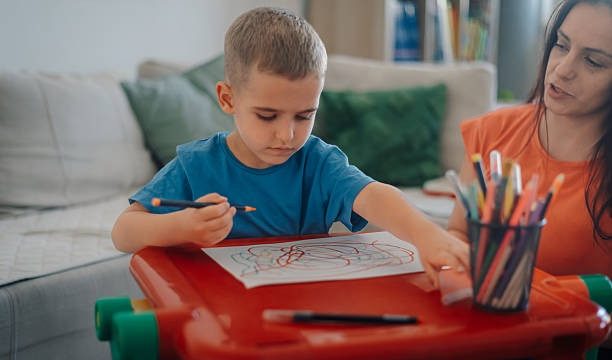
The essence of learning through play lies in its ability to create a relaxed atmosphere where curiosity thrives. When children engage in games, they are not merely absorbing information; they are experimenting, exploring, and experiencing. This natural inclination to play serves as a powerful catalyst for learning, allowing children to absorb concepts without the pressure that often accompanies traditional educational methods. By weaving together fun and education, we unlock a pathway to deeper understanding and retention.
One of the most appealing aspects of learning games is their versatility. Whether in the classroom, at home, or even outdoors, these games can seamlessly fit into various environments. For instance, consider a simple scavenger hunt that encourages children to explore their surroundings while solving riddles or following clues. Such an activity not only ignites their imagination but also sharpens their problem-solving skills. As they race against time or collaborate with friends, they learn the importance of teamwork and communication—skills that are invaluable throughout life.
Incorporating elements of storytelling into learning games can further enhance engagement. When children become characters in a narrative, they are more likely to invest emotionally in the process. For example, a game that involves building a story together, where each participant contributes a sentence or idea, can spark creativity and encourage divergent thinking. This kind of imaginative play nurtures a love for literature and storytelling while also enhancing language skills. It’s a beautiful dance between structured learning and free expression.
As we delve deeper into the realm of playful learning, we encounter the importance of adaptability. Every child is unique, with their own interests and strengths. A game that captivates one child might not resonate with another. Therefore, it’s essential for caregivers and educators to be attuned to these differences and to embrace a flexible approach. This could mean modifying a game’s rules or incorporating new themes that align with a child’s passions. By doing so, we create a more inclusive environment that fosters engagement and excitement.
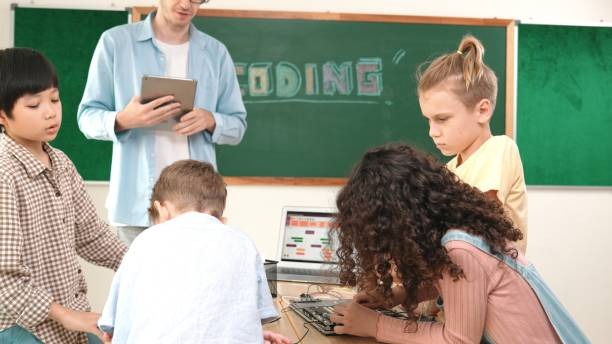
A small shift toward balance can be found in integrating technology into playful learning. While it’s crucial to maintain a healthy relationship with screens, there are numerous educational games and apps designed to make learning captivating. These digital tools can transport children into immersive worlds where they can explore math, science, and language arts in a playful context. The key is to ensure that technology serves as a complement to traditional play, rather than a replacement. When used mindfully, it can enrich the learning experience and provide new avenues for exploration.
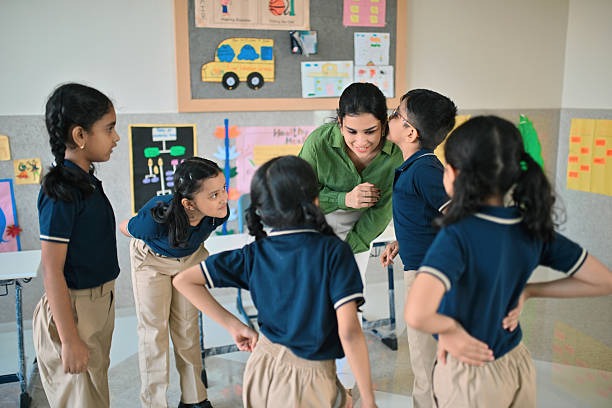
Moreover, the social aspect of learning games cannot be overlooked. In a world that often emphasizes individual achievement, games offer a refreshing opportunity for collaboration. Whether it’s working together to solve puzzles or competing in friendly challenges, children learn to navigate relationships and develop empathy. These interactions teach them the value of perseverance, respect, and understanding, all while having fun. The laughter shared during a game can create bonds that last a lifetime, reminding us that learning is as much about connection as it is about knowledge.
As we explore the landscape of playful learning, it’s important to recognize the role of nature in this journey. Outdoor games can provide a sensory-rich experience that enhances learning. Imagine a nature-themed game where children identify plants or animals in their environment. This not only encourages physical activity but also fosters a sense of wonder and appreciation for the natural world. Engaging with nature can stimulate curiosity and inspire a lifelong love for exploration.
In fostering an environment that prioritizes playful learning, we must also be mindful of the importance of reflection. After a game, taking time to discuss what was learned can deepen understanding. Encouraging children to share their thoughts and feelings about the experience allows them to process their learning. This reflective practice not only reinforces concepts but also promotes critical thinking. It’s a gentle reminder that learning doesn’t end when the game is over; it continues as we make sense of our experiences.
As we embrace the world of engaging learning games, we invite a sense of wonder and joy into the educational journey. Playful learning encourages curiosity, creativity, and collaboration—elements that are essential for holistic development. By creating spaces where children can explore, experiment, and express themselves, we nurture a love for learning that can last a lifetime.
In this fast-paced world, let us remember the power of play. It is through playful learning that we can cultivate a generation of thinkers, dreamers, and problem-solvers who approach life with enthusiasm and resilience. So, whether you’re a parent, educator, or simply someone who cherishes the joy of learning, consider incorporating engaging games into your daily routine. The benefits are boundless, and the laughter, discovery, and connection are truly priceless. Together, let’s celebrate the magic of learning through play, one game at a time.