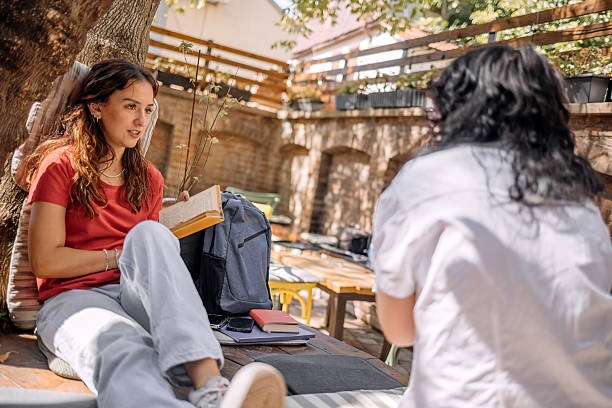
Embarking on an adventure to study abroad is an exciting chapter in any student’s life.
It’s a time of exploration, growth, and learning—not just academically, but about different cultures, languages, and lifestyles. However, amidst the thrill of new experiences, it’s essential to prioritize safety. Here are some thoughtful safety tips to ensure your journey is as enriching and secure as possible.
Understanding your surroundings is a fundamental aspect of staying safe while studying abroad. Before you even step foot in your new home, take some time to research the area. Familiarize yourself with the local culture, customs, and even the geography. Knowing the layout of the city, including key landmarks, public transportation routes, and local emergency services, can be immensely helpful. Understanding local laws and regulations will also keep you in good stead, ensuring that you navigate your new environment with respect and awareness.
Once you arrive, take a moment to explore your neighborhood. Walk around during the day to get a feel for the area. Identify safe routes to your school, grocery stores, and other essential places. It’s also wise to locate the nearest hospital and police station. By immersing yourself in your new environment, you’ll not only grow accustomed to it but also develop a sense of belonging.
Building a supportive network can significantly enhance your safety while studying abroad. Connect with fellow students, both local and international, who share your interests and experiences. Universities often have organizations or clubs that cater to various cultural backgrounds, which can be a great way to meet new people. Establishing friendships provides a sense of community, and having friends nearby means you’ll have a support system in case of emergencies.
Maintaining communication with family and friends back home is equally important. Regular check-ins can provide peace of mind for both you and your loved ones. Share your experiences, but also keep them informed about your whereabouts. In a world where technology connects us seamlessly, utilizing messaging apps or social media can keep everyone in the loop without feeling overwhelming.
While independence is a thrilling aspect of studying abroad, it’s essential to balance that with a degree of caution. Always be mindful of your personal belongings. Keep your valuables—like your passport, money, and electronics—secure and out of sight when not in use. Using a crossbody bag or a money belt can help keep your belongings safe while allowing you to enjoy your surroundings without worry.
It’s also a good idea to stay aware of your surroundings, especially when out and about. Trust your instincts. If something feels off, don’t hesitate to change your plans. Avoid walking alone late at night, especially in unfamiliar areas. If you ever find yourself in a situation where you feel uncomfortable, seek help from locals or fellow students. Most people are more than willing to assist a lost or confused traveler.
Embracing the local culture while maintaining a sense of personal safety is a delicate balance. Engaging with local customs and traditions can enhance your experience and foster connections with the community. However, it’s essential to approach new situations with an open mind while still being vigilant. For instance, if you’re invited to a local celebration, ensure you’re aware of the venue and the attendees. It’s perfectly acceptable to decline an invitation if it doesn’t feel right.
In addition to cultural awareness, being cautious about your health is crucial during your time abroad. Familiarize yourself with the local healthcare system and ensure you have adequate health insurance that covers you internationally. Knowing how to access medical care if needed can alleviate anxiety about health-related issues.
Food safety is another important aspect to consider. Exploring local cuisine is one of the joys of studying abroad, but it’s wise to be cautious about what and where you eat. Eat at reputable establishments and pay attention to food hygiene. If you have dietary restrictions or allergies, communicate them clearly, especially in countries where language barriers may exist.
As you navigate your new environment, it’s also valuable to develop a sense of situational awareness. Being aware of your surroundings means not just looking out for potential dangers but also being attuned to the people around you. If you notice someone following you or behaving suspiciously, trust your gut and take action. Whether that means stepping into a store or finding a group of people, prioritizing your safety is key.
In case of emergencies, having a plan in place can be incredibly beneficial. Familiarize yourself with local emergency numbers and keep a list of important contacts readily available. This could include your university’s international office, local emergency services, and trusted friends. Knowing who to call and what to do in a crisis can help you feel more secure as you venture into the unknown.
Finally, remember that studying abroad is a unique opportunity for personal growth. While safety is paramount, don’t let fear overshadow your experience. Embrace the challenges and joys that come with living in a new place. The memories you create will be invaluable, and the lessons learned will stay with you long after your journey ends.
As you embark on this exciting adventure, keep these safety tips in mind. By staying informed, connected, and aware, you can fully immerse yourself in your studies and experiences abroad while ensuring your safety. Enjoy this transformative journey, and remember to cherish every moment along the way.