Learning new skills can be one of the most enriching experiences in life, yet it often comes with an overwhelming sense of pressure.
Whether it’s picking up a new language, learning to play an instrument, or exploring a new hobby, the expectations we place on ourselves can sometimes overshadow the joy of the journey.
In this fast-paced world, it’s essential to find a way to approach learning that feels light and fulfilling rather than burdensome.
A small shift toward balance can make a significant difference in how we perceive the process of acquiring new skills. Instead of focusing solely on the outcome, we can embrace the journey itself, allowing ourselves to enjoy each step along the way. This mindset shift encourages curiosity and creativity, enabling us to explore without the fear of judgment or failure.
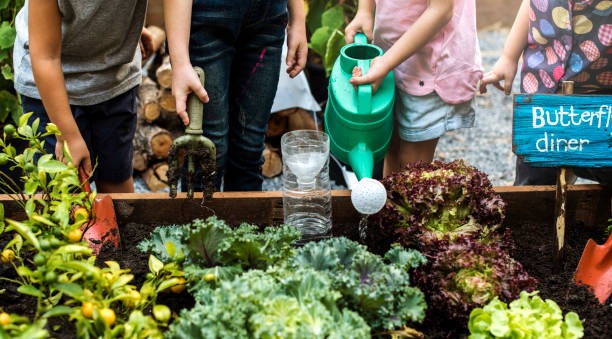
One of the first steps to learning without pressure is to cultivate a sense of playfulness. Children often learn through play, absorbing new concepts effortlessly as they engage with the world around them. As adults, we can benefit from reintroducing this sense of wonder into our learning experiences. Trying out a new recipe in the kitchen or experimenting with colors on a canvas can be approached with a spirit of exploration. By treating these activities as opportunities for fun rather than tests of our abilities, we can reduce the weight of expectation and enjoy the process.
Another gentle approach to learning is to set realistic and manageable goals. Often, we envision a grand vision of what success looks like, which can create an intimidating barrier to entry. Instead, consider breaking down your aspirations into smaller, more achievable milestones. If you wish to learn to play guitar, for instance, focus on mastering a simple chord progression before attempting to play your favorite song. Celebrating these small victories not only boosts confidence but also fosters a sense of accomplishment that fuels your motivation to continue.
Creating a nurturing environment is also essential for stress-free learning. Surround yourself with supportive people who encourage your growth without imposing their own expectations. This supportive network can provide a safe space for sharing ideas, asking questions, and even making mistakes. Remember, every expert was once a beginner, and the path to mastery is often paved with trial and error. Embracing this shared experience with others can remind us that we’re not alone in our learning journeys.
Additionally, incorporating mindfulness into your learning process can enhance your experience. Being present in the moment can help you appreciate the nuances of what you’re learning, allowing you to engage more deeply. Whether you’re practicing a new language or trying your hand at pottery, take a moment to breathe and immerse yourself in the activity. This mindful approach can quiet the mind’s chatter and reduce anxiety, allowing your natural curiosity to flourish.
As you embark on your learning adventures, consider the importance of self-compassion. It’s easy to be hard on ourselves when we struggle or don’t progress as quickly as we’d like. Recognizing that learning is a personal journey can help alleviate some of that pressure. Instead of comparing your progress to others, focus on your own path and the unique experiences that shape your growth. By treating yourself with kindness and understanding, you create an encouraging atmosphere that allows for exploration and development.
Finding inspiration in everyday life can also enrich your learning experience. Look for opportunities to learn from the world around you, whether it’s through nature, art, or conversations with others. Each encounter can teach us something new, and by maintaining an open mind, we can discover lessons in the most unexpected places. Allowing curiosity to guide you can lead to delightful surprises and a deeper appreciation for the learning process.
Consistency can play a valuable role in skill development, but it doesn’t have to feel like a chore. Establishing a routine that aligns with your lifestyle and preferences can help you integrate learning into your daily life without feeling overwhelmed. Perhaps you set aside a few minutes each day to practice a new skill, or maybe you dedicate a longer session once a week. The key is to find a rhythm that feels natural and enjoyable, allowing learning to become a fulfilling part of your life rather than an obligation.
As you explore new skills, remember that the journey is just as important as the destination. Embracing the ups and downs, the successes and setbacks, can bring a deeper sense of fulfillment to your experience. Each moment spent learning contributes to your growth and understanding of the world, shaping you into a more well-rounded individual.
In a society that often prioritizes speed and efficiency, taking a step back to enjoy the process of learning can be a radical act of self-care. By allowing yourself the freedom to learn without pressure, you open the door to creativity, exploration, and joy. So whether you’re picking up a new hobby or deepening your knowledge in a particular area, remember to savor each moment. In the end, it’s the experiences, connections, and personal growth that truly enrich our lives, far beyond any skill we may acquire.