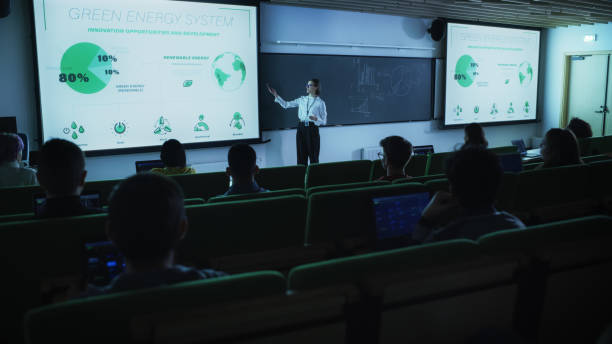
In the realm of science, where curiosity meets rigor, the importance of replication in experiments often serves as a cornerstone for credibility and understanding.
Just as we seek balance in our daily lives, the scientific community strives for balance in findings, ensuring that results are not merely fleeting moments of discovery but robust truths that stand the test of time.
A gentle reminder of the scientific process
At its heart, science is a methodical approach to understanding the world around us. Researchers formulate hypotheses, conduct experiments, and analyze data, all in an effort to uncover new knowledge. However, the journey doesn’t end with a single study. Just as we might revisit a cherished recipe to perfect it or adjust a workout routine for better results, scientists must also revisit their findings through replication. This process serves as a crucial check, validating that initial results were not simply due to chance or specific conditions unique to a single study.
Imagine a beautiful tapestry, woven with intricate patterns and colors. Each thread represents a different study or experiment, and when one thread frays or fades, the entire tapestry can lose its integrity. Replication acts as a means of reinforcing that tapestry, ensuring that the fabric of scientific knowledge remains strong and reliable.
The role of replication in building trust
In today’s age of information, where news travels fast and opinions are often formed on the fly, trust in scientific findings is more crucial than ever. Replication provides a safety net, nurturing confidence in the results that emerge from research. When multiple studies yield similar outcomes, it fosters a sense of assurance that these findings are not anomalies but rather reflect a deeper truth.
Consider, for instance, how we approach wellness trends. A new diet or exercise regimen may catch our attention, yet we often seek testimonials and evidence from various sources before fully committing. Similarly, in the scientific community, replication allows researchers to present a more compelling narrative, one that is backed by consistent evidence across different studies and populations.
The quest for knowledge and understanding
Science thrives on curiosity, and replication plays a vital role in furthering that quest. When researchers replicate experiments, they often uncover nuances and insights that were previously overlooked. These variations can lead to a richer understanding of complex phenomena, much like how exploring different angles of a well-loved story can reveal new dimensions of meaning.
For example, when studying the effects of a particular intervention, a replication effort might take place in different settings or populations, allowing scientists to identify factors that may influence results. This process not only deepens our comprehension but also highlights the intricacies of human behavior and the environment.
A small shift toward balance
The conversation around replication extends beyond mere validation; it invites us to reflect on the broader scientific landscape. In recent years, discussions about the reproducibility crisis have surfaced, shedding light on challenges faced in various fields. Some studies have struggled to be replicated, raising questions about methodology, sample sizes, and biases. This has led to a collective effort in the scientific community to prioritize replication and transparency, fostering an environment where results can be scrutinized and refined.
Just as we might reassess our own habits and routines to achieve a more balanced lifestyle, scientists are now more aware of the need for robust methodologies and clearer reporting. This shift encourages a culture of openness, where researchers are willing to share data and collaborate, paving the way for a more harmonious scientific community.
Encouraging a culture of collaboration
Replication isn’t solely about verifying results; it’s also an opportunity for collaboration and growth. When researchers come together to share their findings, they create a vibrant dialogue that stimulates innovation. This collaborative spirit is reminiscent of a community gathering, where diverse voices and perspectives come together to enrich the conversation.
Science is not a solitary endeavor. It thrives on collective effort and shared knowledge. By embracing replication, researchers not only validate their work but also contribute to a larger narrative that continues to evolve. The more we share our findings, the more we can build upon each other’s insights, fostering an atmosphere of curiosity and discovery.
The journey ahead
As we look to the future of science, the importance of replication will remain a guiding principle. It serves as a reminder that knowledge is not static; it is a living entity that grows and evolves. Scientific inquiry is a continuous journey, one that invites us to question, explore, and revisit our understanding.
In our personal lives, we often find comfort in routines and familiar practices. Similarly, in the realm of science, replication provides a reassuring framework that upholds the integrity of research. It encourages us to remain vigilant, to question findings, and to seek clarity in a world filled with complexities.
In conclusion, replication matters not just for the sake of validation but as a vital component of the scientific process. It builds trust, encourages collaboration, and deepens our understanding of the world. As we navigate this journey together, let us embrace the spirit of inquiry and the importance of revisiting our findings, ensuring that the tapestry of knowledge we weave is as rich and vibrant as the world we seek to understand.