In the ever-evolving landscape of education, the relationship between students and educators is crucial.
Building trust within this dynamic can create a nurturing environment where learning flourishes.
Trust is not merely a byproduct of good communication; it is the foundation upon which effective teaching and meaningful learning are built.
Understanding the importance of trust is the first step in fostering a positive atmosphere in the classroom. When students feel secure and valued, they are more inclined to engage in their studies and express themselves openly. This connection transforms the classroom into a community where curiosity is encouraged, and intellectual risks are embraced.
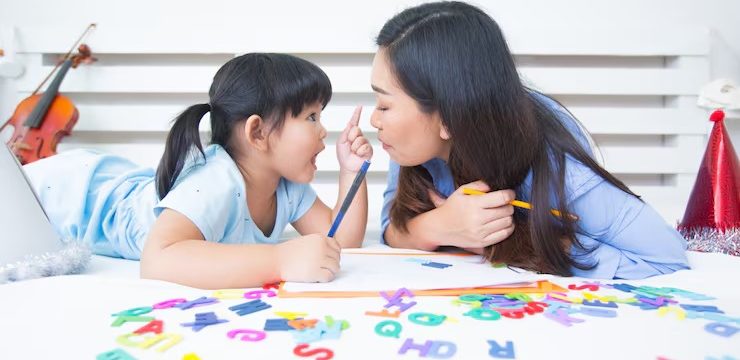
A gentle approach to communication can go a long way in establishing this trust. When educators take the time to listen actively to their students, they signal that each voice matters. It’s not just about conveying information; it’s about creating a dialogue where students feel heard and understood. Simple gestures, like nodding in agreement or asking follow-up questions, can affirm a student’s feelings and thoughts. This two-way communication fosters a sense of belonging, which is vital for students, especially in diverse classrooms.
Creating a safe space for expression is another essential aspect of trust-building. When students know they can share their ideas, questions, and even concerns without fear of judgment, they are more likely to participate actively. Educators can cultivate this environment by encouraging open discussions and emphasizing respect for differing opinions. When students witness their classmates sharing and debating ideas, it reinforces the notion that their contributions are valued.
A small shift toward balance can also enhance trust. Educators can strive to balance authority with approachability. While it’s important to maintain classroom decorum and ensure that learning objectives are met, being approachable allows students to feel comfortable seeking help or clarification. This balance can be achieved through simple actions, like making time for individual conversations, being available after class, or even sharing personal experiences that relate to the subject matter. These moments of connection can humanize educators, making them more relatable and trustworthy.
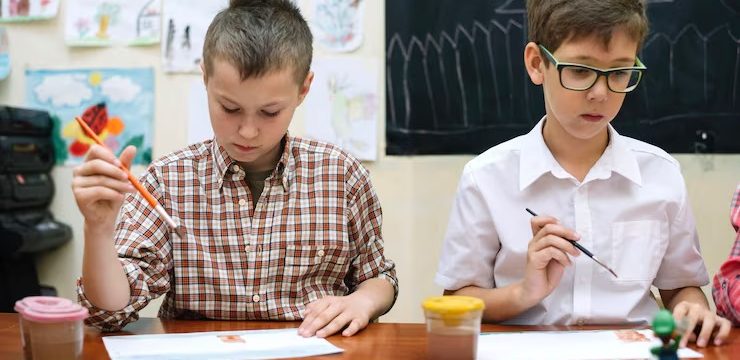
Encouraging collaboration among students can further strengthen trust, not just between students and educators but also among peers. Group projects, discussions, and peer reviews can foster a sense of community and mutual respect. When students work together, they learn to appreciate diverse perspectives and develop essential social skills. Educators can facilitate these interactions by creating opportunities for students to collaborate in meaningful ways, helping them build relationships based on shared goals and mutual support.
Building trust is not a one-time effort; it requires ongoing commitment and reflection. Regular check-ins can help educators gauge the emotional climate of their classrooms. This could be as simple as asking students how they feel about the learning environment or what adjustments they think could enhance their experience. By soliciting feedback, educators show that they care about their students’ well-being, further solidifying trust.
Incorporating social-emotional learning into the curriculum can also play a significant role in building trust. By integrating lessons that focus on self-awareness, empathy, and relationship-building, educators can help students develop the skills necessary to navigate their social world. This not only creates a more supportive classroom environment but also prepares students for future interactions outside of school.
Recognizing and celebrating individual achievements, no matter how small, can also help nurture trust. When educators take the time to acknowledge students’ efforts and successes, it reinforces their belief in their own abilities. This recognition can come in various forms, from verbal praise to simple notes of encouragement. Such gestures can uplift students and remind them that their hard work is seen and appreciated.
As trust develops, it becomes a powerful catalyst for growth. Students who feel secure in their relationships with educators are more likely to take risks in their learning. They may ask questions they once hesitated to voice or dive into topics that pique their interest. This willingness to engage deeply enhances the learning experience, making it richer and more rewarding for everyone involved.
It’s also important to remember that trust is reciprocal. Just as educators strive to earn the trust of their students, students must also be encouraged to trust their educators. This can be fostered through transparency and honesty. When educators share their teaching philosophies, expectations, and even their own vulnerabilities, it encourages students to reciprocate. A classroom built on mutual trust creates a supportive atmosphere where everyone can thrive.
In the end, building trust between students and educators is a journey, not a destination. It involves patience, empathy, and a genuine commitment to fostering relationships. As educators embrace this journey, they create not only a conducive learning environment but also a sense of community that extends beyond the walls of the classroom.
In a world where education is essential for personal and professional growth, nurturing trust is one of the most impactful ways to ensure that students feel supported and empowered. When students and educators work together, hand in hand, they can create a space where learning flourishes and where every individual feels valued. This harmonious relationship paves the way for a brighter, more connected future, one classroom at a time.