In today’s fast-paced world, the notion of education is evolving at an extraordinary pace.
Traditional learning methods, while still valuable, often fall short in nurturing the unique talents and skills of bright minds.
As we embrace a more holistic approach to education, the focus is gradually shifting toward skill-based learning. This transformation is not merely a trend; it’s a necessary evolution that aims to equip students with the tools they need to thrive in an increasingly complex and dynamic environment.
The essence of skill-focused education lies in recognizing that every student is a unique individual with distinct interests and strengths. It encourages an understanding that learning is not just about absorbing information but about applying knowledge in practical, real-world situations. This approach fosters creativity, critical thinking, and problem-solving, all of which are essential for personal and professional success.
A small shift toward balance
Imagine a classroom where students are encouraged to explore their passions. Instead of being confined to a rigid curriculum, they have the freedom to delve into subjects that genuinely captivate them. This approach not only makes learning more enjoyable but also promotes deeper understanding and retention of knowledge. When students can connect their studies to their interests, they are more likely to stay engaged and motivated.
Skill-focused education emphasizes experiential learning, where students learn by doing. This can take many forms, from hands-on projects and internships to community service and collaborative group work. Such experiences allow students to develop practical skills that are directly applicable to their future careers. They gain confidence in their abilities and learn to navigate the complexities of real-world challenges.
Creating pathways for exploration
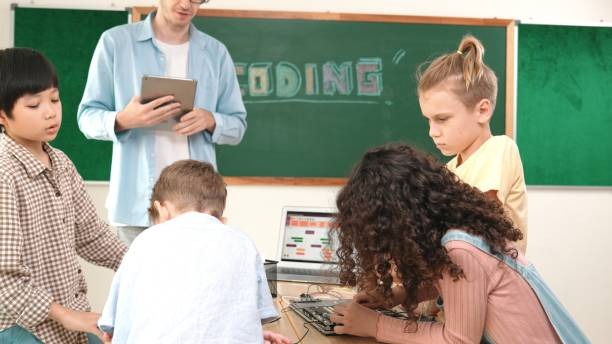
One of the most significant advantages of skill-focused education is its ability to create pathways for exploration. Students are encouraged to pursue their interests, whether it’s coding, creative writing, graphic design, or environmental science. This exploration often leads to unexpected discoveries about their passions and potential career paths. When students are given the opportunity to experiment and take risks, they learn resilience and adaptability—traits that are invaluable in today’s workforce.
Moreover, skill-focused education often integrates technology in ways that enhance the learning experience. Digital tools can provide students with access to a wealth of resources and opportunities for collaboration. Online platforms allow for global connections, enabling students to learn from experts around the world and engage with diverse perspectives. This interconnectedness not only broadens their horizons but also prepares them for a globalized job market.
Fostering a supportive community
Another crucial aspect of skill-focused education is the emphasis on building a supportive community. Educators play a vital role in creating an environment where students feel safe to express their ideas and take intellectual risks. When students know their teachers and peers believe in their potential, they are more likely to step outside their comfort zones and explore new avenues of learning.
Mentorship also plays a significant part in this community-focused approach. Connecting students with mentors who have experience in their areas of interest can provide guidance and inspiration. These relationships can help students navigate their educational journeys and make informed decisions about their future. A mentor’s encouragement can be a powerful motivator, reinforcing the idea that pursuing one’s passion is not only possible but also rewarding.
Embracing diversity in learning styles
Every student learns differently, and skill-focused education recognizes this diversity. By incorporating various teaching methods and approaches, educators can cater to the unique learning styles of their students. Some may thrive in collaborative settings, while others may prefer independent projects. By embracing these differences, educators can create a more inclusive and effective learning environment.
Additionally, skill-focused education encourages students to take ownership of their learning. This empowerment fosters a sense of responsibility and accountability, as students learn to set their goals and track their progress. When students are active participants in their education, they develop a lifelong love for learning that extends beyond the classroom.
Nurturing emotional intelligence
An often-overlooked aspect of skill-focused education is its potential to nurture emotional intelligence. As students engage in collaborative projects and navigate interpersonal relationships, they develop essential social skills. These skills, including empathy, communication, and conflict resolution, are critical in both personal and professional contexts.
Emotional intelligence is increasingly recognized as a key factor in career success. Employers value individuals who can work well in teams, understand diverse perspectives, and communicate effectively. By fostering these skills in an educational setting, we prepare students not just for specific careers but for meaningful lives.
Looking toward the future
As we look to the future of education, it is clear that skill-focused approaches will continue to gain momentum. The world is changing rapidly, and the ability to adapt, innovate, and think critically will be paramount. By prioritizing skills over rote memorization, we can cultivate a generation of learners who are not only knowledgeable but also equipped to tackle the challenges of tomorrow.
This shift toward skill-focused education is not just about preparing students for jobs; it’s about empowering them to become active contributors to society. When students are encouraged to follow their passions and develop their skills, they are more likely to pursue careers that align with their values and interests. This alignment fosters not only personal fulfillment but also a deeper sense of purpose.
In conclusion, skill-focused education represents a promising path for bright minds. By creating an environment that values exploration, community support, and emotional intelligence, we can nurture the next generation of thinkers and innovators. As we embrace this approach, we pave the way for a more vibrant, inclusive, and fulfilling educational experience—one that celebrates the unique gifts of every student and empowers them to shine in their own light.