In a world that thrives on innovation and creativity, the role of technical education has become increasingly significant.
It serves as a bridge that connects imaginative ideas with practical applications, empowering individuals to navigate the ever-evolving landscape of technology.
For those who consider themselves dynamic and creative thinkers, engaging with technical education can unlock a treasure trove of possibilities, offering not just skills, but a mindset that encourages continuous growth and exploration.
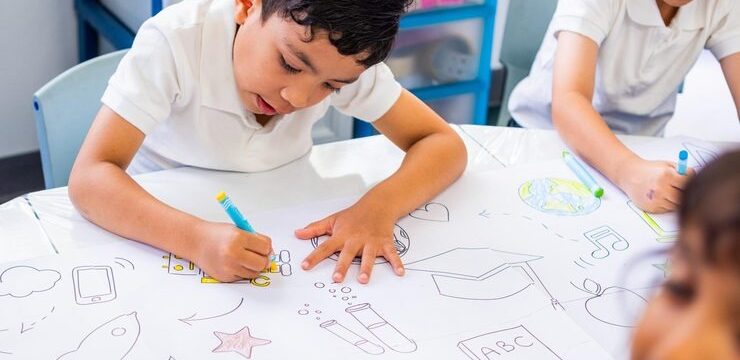
The essence of technical education lies in its ability to blend theory with hands-on experience. It invites students to dive into the intricacies of various fields, from engineering to design, and from computer science to robotics. This immersive approach cultivates a unique environment where creativity flourishes alongside technical prowess. It’s a space where students are encouraged to question, experiment, and innovate, fostering a spirit of inquiry that can lead to groundbreaking ideas.
One of the most beautiful aspects of technical education is its inclusivity. It welcomes individuals from diverse backgrounds, each bringing their own perspectives and experiences. This melting pot of ideas creates a vibrant community where collaboration thrives. In such an environment, students learn not only from their instructors but also from one another, forging connections that can last a lifetime. These interactions often spark new ideas and encourage creative problem-solving, proving that the collective energy of a group can amplify individual capabilities.
A small shift toward balance can be achieved through the integration of soft skills into technical curricula. While mastering the technical aspects of a field is crucial, the ability to communicate effectively, work in teams, and approach problems with empathy is equally important. This holistic approach to education nurtures well-rounded individuals who are not only adept in their chosen fields but also capable of contributing to society in meaningful ways. Encouraging students to develop these soft skills alongside their technical knowledge enhances their versatility and adaptability in a fast-paced world.
The beauty of technical education is also found in its emphasis on creativity. Contrary to the misconception that technical fields are rigid and formulaic, many disciplines encourage out-of-the-box thinking. For instance, in software development, creativity is essential for problem-solving and innovation. Designers often blend artistry with functionality, creating user experiences that are both aesthetically pleasing and intuitively usable. This interplay of creativity and technical skill is what sets dynamic thinkers apart, allowing them to carve out their unique paths.
As technology continues to advance, the demand for individuals who can think creatively and adapt to change has never been higher. Industries are looking for thinkers who can approach challenges with fresh perspectives, envisioning solutions that others may not see. Technical education equips students with the tools to thrive in such environments, fostering a mindset that encourages lifelong learning and adaptability. This is particularly important in a world where new technologies emerge at an unprecedented pace, requiring professionals to continuously update their skills and knowledge.
Moreover, the impact of technical education extends beyond individual careers. It plays a vital role in driving innovation within communities and economies. As graduates enter the workforce armed with both technical skills and creative thinking abilities, they contribute to the development of new technologies, products, and services that can enhance quality of life. This ripple effect can lead to job creation, increased productivity, and even the emergence of entirely new industries. In this way, technical education is not just about personal growth; it is a catalyst for broader societal change.
The journey through technical education can also be a deeply personal one. It often requires students to confront challenges, overcome obstacles, and learn from failures. This process of growth fosters resilience, a trait that is invaluable in both personal and professional endeavors. Each setback becomes an opportunity for reflection and learning, shaping individuals into adaptable thinkers who are prepared to face whatever comes their way.
Finding joy in the process is essential. Technical education should not be viewed solely as a means to an end, but as a transformative experience that encourages exploration and self-discovery. Students are invited to embrace their curiosity, pursue their passions, and engage with subjects that ignite their interest. This intrinsic motivation can lead to a deeper understanding of the material and a more fulfilling educational experience overall.
As we navigate the complexities of our modern world, the importance of technical education for dynamic and creative thinkers cannot be overstated. It empowers individuals to bridge the gap between imagination and implementation, fostering a culture of innovation that benefits everyone. By embracing the principles of technical education, we can cultivate a generation of thinkers who are not only skilled and knowledgeable but also compassionate and collaborative.
In conclusion, technical education offers a unique opportunity for those who wish to embrace their creativity while developing essential skills for the future. It encourages a mindset that values inquiry, resilience, and collaboration, shaping individuals who are prepared to make meaningful contributions to society. As we continue to explore the intersections of technology and creativity, let us celebrate the role of technical education in nurturing the dynamic thinkers of tomorrow. It is through this journey that we can all find our place in a world that is constantly evolving, and in doing so, contribute to a brighter, more innovative future.