Website navigation is one of the most important elements of a successful online presence.
No matter how attractive a website looks or how valuable its content may be, visitors can quickly become frustrated if they cannot find the information they need.
Clear and intuitive navigation improves the user experience, encourages visitors to stay longer, and increases the likelihood of achieving business goals such as generating leads, making sales, or gaining subscribers. By focusing on simplicity and organization, businesses can create websites that are easy to explore and enjoyable to use.
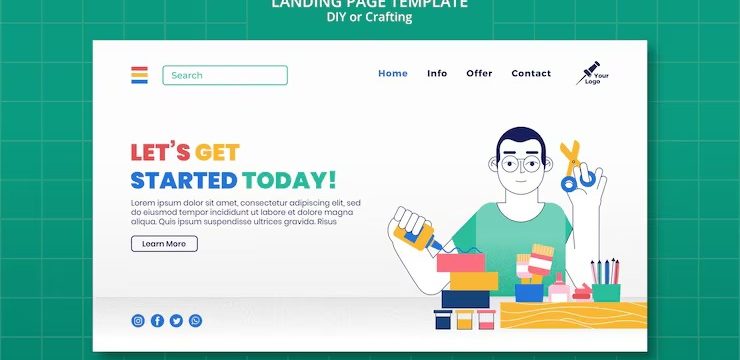
The first step in improving website navigation is to keep the menu simple and organized. Too many menu options can overwhelm visitors and make it difficult to locate important pages. Instead, group related content into clear categories with descriptive labels. Common menu items such as Home, About, Products or Services, Blog, and Contact provide a familiar structure that users can understand quickly.
Another essential practice is to maintain consistency throughout the website. Navigation menus, buttons, fonts, colors, and page layouts should remain consistent across all pages. When visitors encounter the same navigation structure everywhere they go, they can move through the website more confidently and efficiently. Consistency also strengthens your brand identity and creates a more professional appearance.
A logical page hierarchy is equally important. Organize information so that the most important pages are easy to access from the main navigation, while supporting content is grouped under relevant sections. A well-structured hierarchy helps visitors understand how different pages relate to one another and reduces the number of clicks required to reach important information.
Adding a search function can significantly improve usability, especially for larger websites. A clearly visible search bar allows visitors to quickly locate specific products, articles, or resources without navigating through multiple pages. Effective search functionality saves time and enhances the overall user experience.
Clear calls to action (CTAs) also support better navigation. Buttons such as “Learn More,” “Contact Us,” “Get Started,” or “Shop Now” guide users toward the next step in their journey. Well-placed CTAs reduce confusion and help visitors complete desired actions more easily.
Mobile-friendly navigation is another critical consideration. With many users accessing websites from smartphones and tablets, menus should adapt to smaller screens without sacrificing usability. Responsive navigation menus, easy-to-tap buttons, and readable text ensure that visitors enjoy a smooth experience regardless of the device they are using.
Fast-loading pages also contribute to better navigation. Slow websites can discourage visitors before they even begin exploring. Optimizing images, reducing unnecessary scripts, and using reliable web hosting improve loading speeds and help users move between pages without delays.
Internal links are another valuable navigation tool. Linking related articles, products, or services within your content encourages visitors to continue exploring your website. These links provide additional value, increase time spent on the site, and help users discover relevant information they may not have found otherwise.
Technology can assist in improving website navigation as well. Website analytics tools reveal how visitors interact with your site, highlighting popular pages, navigation paths, and areas where users may become confused. AI-powered tools and user behavior analysis can provide insights that help optimize menus, page layouts, and overall site structure.
Regular testing and updates are essential for maintaining an effective navigation system. Gather feedback from users, monitor website performance, and make improvements as your content and business evolve. Small adjustments based on real user behavior can lead to significant improvements in usability and customer satisfaction.
Improving website navigation is about making it as easy as possible for visitors to find information and accomplish their goals. By keeping menus simple, organizing content logically, maintaining consistency, optimizing for mobile devices, using clear calls to action, and continuously refining the user experience, businesses can create websites that are both user-friendly and effective. Strong navigation not only enhances customer satisfaction but also supports higher engagement, improved conversions, and long-term online success.