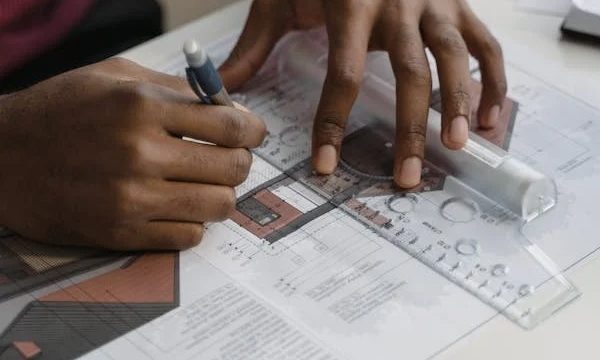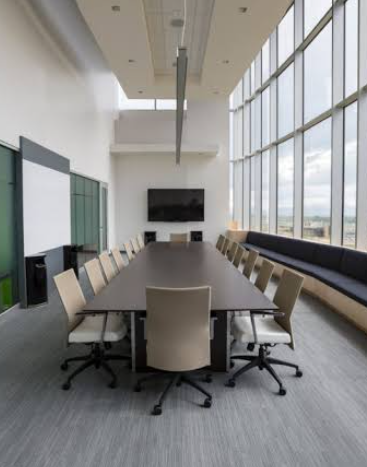
A well-designed workspace can have a significant effect on productivity, concentration, and overall work experience.
Whether you work from home, in an office, or from a shared environment, the space around you can either support your goals or create unnecessary distractions.
Creating a workspace that encourages productivity does not require expensive furniture or major renovations. Small, thoughtful changes can make your environment more comfortable, organized, and focused.
The first step is to keep your workspace organized. A cluttered desk can create visual distractions and make it harder to concentrate. Keep only the items you use regularly within reach, and store unnecessary materials elsewhere. At the end of each workday, spend a few minutes returning items to their proper places so you can begin the next day with a clean environment.
Comfort is another important consideration. Choose a chair that provides adequate support and adjust your desk and monitor so that you can maintain a comfortable posture. Your keyboard, mouse, and frequently used equipment should be positioned so you can work without unnecessary strain. A comfortable workspace makes it easier to maintain concentration during longer work sessions.
Lighting can also influence productivity. Whenever possible, use natural light during the day. Position your desk near a window if practical, while avoiding direct glare on your screen. If natural light is limited, use appropriate artificial lighting that provides enough brightness without creating excessive eye strain.
Your computer setup should be organized for efficiency as well. Keep frequently used applications and files easy to access, organize digital documents into clearly labeled folders, and remove unnecessary files from your desktop. A clean digital environment can be just as important as a clean physical workspace.
Reducing distractions is another key part of creating a productive environment. Keep your phone away from your immediate workspace when you need focused attention, silence non-essential notifications, and close unrelated browser tabs. If you work in a shared environment, headphones or a quiet area can help reduce background interruptions.
Creating separate areas for different activities can also strengthen productivity. If you work from home, having a designated workspace helps create a psychological boundary between professional and personal activities. When you enter that space, your mind can more easily associate it with focused work.
Temperature and ventilation should not be overlooked. A workspace that is too hot, cold, or poorly ventilated can make it difficult to concentrate. Maintaining a comfortable environment and allowing fresh air into the room when appropriate can improve comfort and alertness.
Adding a few personal elements can make the workspace more enjoyable without creating distractions. Plants, artwork, photographs, or other simple decorations can make the environment feel welcoming. The goal is to create a space that motivates you while remaining functional and uncluttered.
AI-powered productivity tools can further improve your workspace experience. AI assistants can organize calendars, prioritize tasks, summarize documents, manage reminders, and automate repetitive activities. Smart home devices can also help control lighting, temperature, and other environmental settings. By reducing routine tasks and creating a more comfortable environment, technology can support focused work.
Taking regular breaks should also be part of your workspace routine. Even the most comfortable and organized environment cannot replace the need for rest. Stand up, stretch, walk around, or look away from your screen periodically to reduce fatigue and maintain concentration.
Finally, personalize your workspace according to the type of work you do. Someone who spends most of the day writing may prioritize a comfortable keyboard and minimal distractions, while someone working with multiple applications may benefit from additional screen space and carefully organized equipment. The best workspace is one designed around your actual needs.
Creating a productive workspace is about more than appearance. It involves designing an environment that supports concentration, comfort, organization, and efficient work habits. By reducing clutter, improving lighting and ergonomics, organizing digital files, minimizing distractions, maintaining a comfortable environment, using AI-powered productivity tools, and taking regular breaks, you can create a workspace that encourages consistent productivity. Small improvements to your surroundings can make a meaningful difference in how effectively and comfortably you work each day.