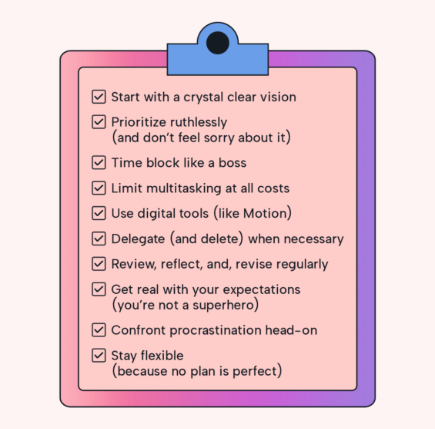
Starting the day with a clear plan can make a significant difference in how effectively you work.
Without organization, it’s easy to spend the first few hours reacting to emails, notifications, and unexpected requests instead of focusing on important priorities.
Taking a few minutes to organize your tasks before beginning the day creates structure, reduces stress, and helps you use your time more efficiently.
One of the biggest benefits of planning ahead is knowing exactly what needs to be accomplished. Writing down your tasks gives you a clear overview of your responsibilities and prevents important items from being forgotten. Instead of constantly deciding what to do next, you can begin working immediately with a defined direction.
Organizing tasks also makes prioritization easier. Not every task has the same level of importance. By identifying urgent and high-impact responsibilities first, you can focus your energy on work that contributes most to your goals. Completing important tasks early can also reduce the pressure of approaching deadlines later in the day.
Another advantage is reduced decision fatigue. Making dozens of small decisions throughout the day can consume mental energy. Preparing your task list in advance allows you to make many of those decisions before work begins. This leaves more mental capacity for problem-solving, creativity, and focused work.
Breaking larger projects into smaller tasks can make difficult assignments feel more manageable. Instead of looking at a project as one overwhelming responsibility, divide it into specific steps that can be completed throughout the day. Each completed step creates visible progress and makes it easier to stay motivated.
Organizing tasks before the day begins can also improve time management. Estimate how long important activities will take and assign realistic time blocks to them. Including short breaks between focused work periods can help maintain concentration and prevent unnecessary fatigue.
A prepared task list can reduce distractions as well. When you know what you need to accomplish, you’re less likely to spend excessive time browsing social media, checking unnecessary notifications, or working on low-priority activities. A clear plan provides a reference point whenever distractions appear.
AI-powered productivity tools can make daily planning even easier. AI assistants can organize task lists, identify priorities, summarize emails, schedule calendar events, create reminders, and suggest time blocks based on deadlines and workload. These tools can reduce the amount of time spent planning while helping you maintain a more organized workflow.
Reviewing your plan during the day is also useful. Unexpected tasks may appear, so your schedule should remain flexible. If priorities change, adjust your task list rather than abandoning the entire plan. The purpose of organization is to provide direction, not to create unnecessary pressure.
At the end of the day, spending a few minutes reviewing what was completed can make the next morning even easier. Move unfinished tasks to the appropriate day, identify any obstacles, and prepare your most important priorities in advance. This creates a continuous planning cycle that supports better productivity.
Organizing tasks before starting your day is a simple habit with significant benefits. It provides direction, improves prioritization, reduces decision fatigue, supports better time management, and helps minimize distractions. By combining a clear task list with realistic scheduling, flexible planning, regular reviews, and AI-powered productivity tools, you can begin each day with greater focus and confidence. Over time, this small daily habit can lead to improved work performance, reduced stress, and more consistent progress toward your personal and professional goals.