In today’s fast-paced and ever-evolving educational landscape, the ways we assess student learning are shifting significantly.
Gone are the days when standardized testing was the sole measure of a student’s knowledge and capabilities.
Instead, a more holistic approach is emerging, focusing on the diverse needs and strengths of today’s learners.
This evolution is not just about what students know but also about how they learn, engage, and interact with the world around them.
A gentle evolution in assessment
As we embrace the complexities of modern education, we recognize that students are not just vessels to be filled with information. They are unique individuals with varied backgrounds, interests, and learning styles. This understanding has led to the development of innovative assessment tools that aim to capture a fuller picture of student achievement. These tools go beyond traditional tests, offering richer insights into a student’s abilities and potential.
One of the most promising developments in student assessment is the use of formative assessments. Unlike summative assessments, which typically occur at the end of a learning unit, formative assessments are ongoing and provide real-time feedback. Teachers can use these insights to tailor their instruction, ensuring that each student receives the support they need to thrive. This approach fosters a more dynamic learning environment where students feel empowered to take ownership of their educational journey.
A focus on collaboration and creativity
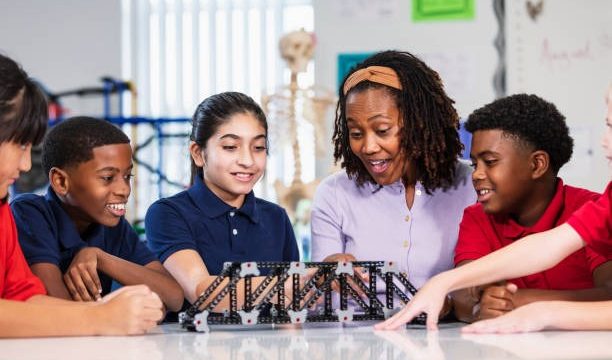
Incorporating collaborative projects into assessments is another trend that is gaining traction. Group work not only encourages teamwork but also helps students develop essential social skills. When students work together on tasks, they learn to communicate effectively, resolve conflicts, and appreciate diverse perspectives. These experiences are invaluable as they prepare for the collaborative nature of the modern workplace.
Creativity is also being recognized as a vital component of learning. Assessment tools that allow students to express their understanding through creative means—such as art, presentations, or digital storytelling—are becoming increasingly popular. This approach acknowledges that knowledge can be demonstrated in many forms and helps students develop critical thinking and problem-solving skills. By allowing learners to showcase their understanding in ways that resonate with them personally, we foster a deeper engagement with the material.
Harnessing technology for personalized learning
Technology plays a pivotal role in the transformation of student assessment. With the advent of digital tools, educators can now gather and analyze data in ways that were previously unimaginable. Online platforms offer adaptive assessments that adjust in real time based on a student’s responses. This personalized approach ensures that learners are challenged at the right level, promoting growth without overwhelming them.
Furthermore, digital portfolios are becoming a popular means of assessment. These portfolios allow students to showcase their work over time, providing a comprehensive view of their learning journey. By collecting and reflecting on their achievements, students can gain a sense of ownership and pride in their progress. This method not only highlights their academic skills but also encourages self-reflection, a crucial component of lifelong learning.
The importance of emotional intelligence in assessment
As we delve deeper into the realm of student assessment, it’s essential to recognize the significance of emotional intelligence. Understanding one’s emotions and being able to empathize with others are skills that are increasingly valued in today’s society. Assessment tools that incorporate social-emotional learning (SEL) help students develop these vital competencies.
By integrating SEL into assessments, educators can gauge a student’s self-awareness, relationship skills, and decision-making abilities. This approach helps create a more supportive and nurturing learning environment, where students feel safe to express themselves and take risks. Ultimately, fostering emotional intelligence can lead to improved academic performance and better overall well-being.
Navigating the challenges of assessment
While the evolution of student assessment is undoubtedly exciting, it is not without its challenges. Educators must balance the benefits of innovative assessment methods with the practicalities of implementation. This requires ongoing professional development and support for teachers as they adapt to new tools and strategies.
Moreover, parents and guardians play a crucial role in this journey. Open communication between educators and families can help ensure that everyone is on the same page regarding assessment methods and expectations. By fostering a collaborative partnership, we can create a more supportive environment for students as they navigate their educational paths.
A hopeful outlook for the future
As we look to the future of student assessment, it’s clear that we are moving towards a more inclusive and comprehensive approach. The shift away from traditional methods reflects a growing understanding of the diverse needs of learners. By embracing innovative tools and strategies, we can create a more equitable educational landscape that values each student’s unique strengths and potential.
In this journey, it’s essential to remain patient and open-minded. Change takes time, and the path to progress may be winding. However, by prioritizing the needs of today’s learners and fostering a culture of growth and collaboration, we can build a brighter future for all students.
In conclusion, the landscape of student assessment is evolving, and with it comes a wealth of opportunities. By focusing on holistic, creative, and emotionally intelligent approaches, we can better support our learners in their educational journeys. As we embrace these changes, we not only enhance the learning experience but also nurture the next generation of thinkers, creators, and leaders. The future is bright, and it is shaped by the diverse voices and talents of our students.