In the vibrant tapestry of education, every thread is unique, representing the diverse learning styles, backgrounds, and abilities of students.
Differentiated instruction, a teaching approach that tailors learning experiences to meet the varied needs of each student, is a powerful tool for fostering continuous improvement in the classroom.
This method not only enhances student engagement but also cultivates a nurturing environment where every learner can thrive.
Creating a welcoming atmosphere is the first step toward effective differentiated instruction. When students feel safe and valued, they are more likely to participate actively in their learning journey. This sense of belonging encourages them to express their thoughts and questions openly. As educators, it’s essential to cultivate this environment, recognizing that each student has their own unique perspective and set of experiences that enrich the classroom dynamic.
A gentle shift toward understanding individual needs can greatly enhance the learning experience. This begins with getting to know your students on a personal level. What are their interests? What challenges do they face in their learning? By fostering relationships and taking the time to understand each learner, teachers can create lessons that resonate on a deeper level. This personalized approach not only boosts academic performance but also instills a sense of confidence in students, empowering them to take ownership of their education.
Incorporating a variety of teaching methods is another essential element of differentiated instruction. Every student learns differently, and what works for one may not work for another. By blending visual, auditory, and kinesthetic learning strategies, educators can cater to diverse preferences. For instance, a lesson on ecosystems could involve watching a documentary, engaging in a hands-on activity, and discussing findings in small groups. This multifaceted approach keeps students engaged and allows them to explore concepts in ways that resonate with them.
Moreover, flexibility in pacing is crucial for continuous improvement in the classroom. Some students may grasp concepts quickly, while others may need more time to fully understand. Offering varied pathways for learning allows students to progress at their own pace. This could mean providing advanced materials for those who are ready to move ahead or offering additional support for those who need it. When students are allowed to learn at a pace that suits them, they are more likely to achieve mastery of the subject matter.
Assessment plays a vital role in differentiated instruction. Traditional testing methods may not accurately reflect a student’s understanding or potential. Instead, incorporating formative assessments—such as quizzes, discussions, and projects—can provide a more comprehensive view of student progress. This ongoing feedback allows educators to adjust their teaching strategies in real-time, ensuring that all students are supported in their learning journey. By focusing on growth rather than just grades, educators can foster a more positive learning environment.
Another important aspect of differentiated instruction is the integration of student choice. When students are given the opportunity to choose how they learn or demonstrate their understanding, they become more invested in the process. This could involve selecting a topic for a project or choosing between different formats for an assignment. Empowering students to make decisions about their learning not only increases motivation but also encourages them to take responsibility for their education.
Incorporating technology can also enhance differentiated instruction. Digital tools can provide personalized learning experiences that cater to individual needs. For example, educational apps can adapt to a student’s skill level, offering tailored exercises that challenge them appropriately. Online resources can also provide a wealth of information that students can explore at their own pace. By embracing technology, educators can create a dynamic learning environment that meets the needs of all learners.
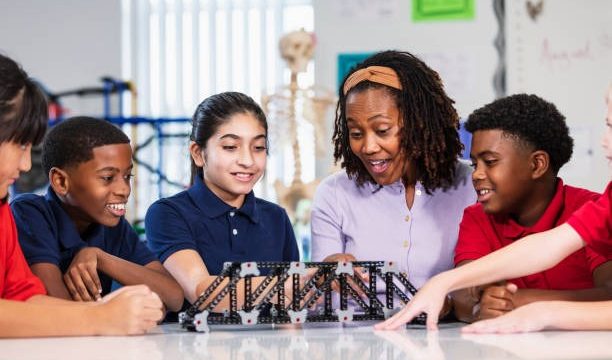
Collaboration among students is another powerful aspect of differentiated instruction. Group work can help students learn from one another, allowing them to share their strengths and support each other in areas where they may struggle. This peer interaction not only enhances learning but also builds important social skills. Creating diverse groups, where students with varying abilities work together, fosters an inclusive atmosphere that values every contribution.
As we think about the journey of continuous classroom improvement, it’s essential to reflect on the role of professional development for educators. Staying informed about new teaching strategies, tools, and research can inspire innovative approaches in the classroom. Engaging in collaborative discussions with fellow educators can also provide fresh perspectives and insights. Embracing a mindset of lifelong learning not only benefits teachers but ultimately enriches the learning experiences of their students.
The beauty of differentiated instruction lies in its adaptability. As classrooms evolve, so too must the strategies employed to meet the needs of diverse learners. This approach encourages a culture of reflection and growth, where educators are continually assessing their practices and seeking ways to improve. It invites a spirit of innovation, allowing teachers to experiment with new methods and learn from their experiences.
Ultimately, differentiated instruction is not just about improving academic outcomes; it’s about nurturing the whole child. By recognizing and responding to the unique needs of each student, educators can create a more inclusive and supportive learning environment. This approach fosters resilience, encourages creativity, and instills a love of learning that lasts a lifetime.
In the end, the journey of continuous improvement in the classroom is a shared one. It’s a collaborative effort that involves teachers, students, and the broader educational community. By embracing differentiated instruction, we can create a vibrant learning environment where every student feels valued, understood, and empowered to reach their fullest potential. As we move forward, let’s celebrate the diversity of our classrooms and commit ourselves to fostering growth, understanding, and connection in every learning experience.