As a parent, navigating the world of child development can feel like a journey filled with both excitement and uncertainty.
Each stage of growth brings with it a new set of behaviors, skills, and milestones that can leave you wondering if your little one is on the right path.
Understanding these behavior milestones can provide a reassuring framework, helping you to celebrate achievements and address any concerns with confidence.
In the early years, the rapid pace of development can be astonishing. From the first coos and giggles of infancy to the confident strides of toddlerhood, every stage is a testament to your child’s evolving personality and capabilities. The first few months are often characterized by the emergence of social smiles and responsive cooing, signaling your baby’s initial attempts to engage with the world. These early interactions are crucial; they lay the groundwork for future social and emotional development.
As your child grows, you may notice them becoming increasingly aware of their surroundings. By around six months, many babies begin to express preferences for certain toys or people, a delightful indication of their budding individuality. This stage is a great opportunity to introduce varied experiences and stimuli, such as different textures, sounds, and colors. These interactions not only enrich their sensory world but also encourage curiosity, which is a vital component of learning.
Transitioning into the toddler years, the landscape shifts dramatically. This is often a time filled with exuberance as your child starts to explore their environment more independently. You might find yourself marveling at their newfound ability to stand, walk, and even run. Each of these physical milestones is accompanied by an explosion of language and social skills. Expect to hear their first words emerge and watch as they begin to form simple sentences. This is a delightful, albeit sometimes overwhelming, time as they express their needs and desires more clearly.
In the realm of social development, toddlers are often eager to engage with others, initiating play and learning to share, albeit with varying degrees of success. This is a natural part of their growth. It’s essential to foster these interactions, as they teach valuable lessons about empathy, cooperation, and conflict resolution. Guided playdates or group activities can provide a safe space for your child to practice these skills, allowing them to learn from their peers in a supportive environment.
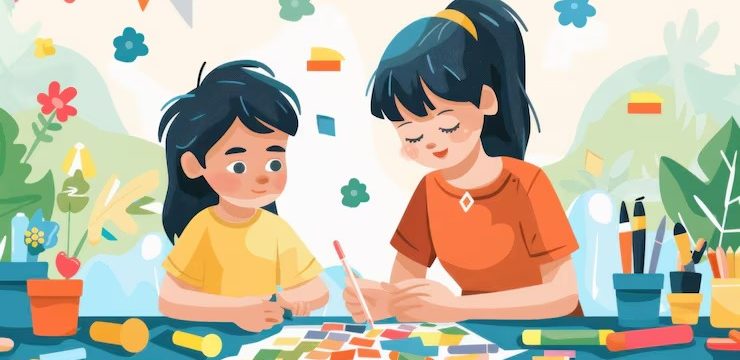
As children enter the preschool years, their behavior milestones become even more pronounced. You may notice an increase in imaginative play, which is a crucial part of cognitive development. This is the age when pretend play blossoms, and your living room may become a bustling café or a wild jungle. This imaginative phase is not just fun; it’s an essential way for children to process their experiences and emotions. Encouraging this creativity through storytelling, dress-up clothes, and art supplies can nurture their imagination and problem-solving skills.
Around this time, social dynamics become more complex. Friendships start to form, and your child may begin to express preferences for certain companions. It’s a wonderful opportunity to teach them about friendship, sharing, and the importance of kindness. You might find that they start to engage in cooperative play, where they work together with peers towards a common goal, whether that’s building a fort or completing a puzzle. These interactions are foundational for developing social skills that will serve them well as they grow.
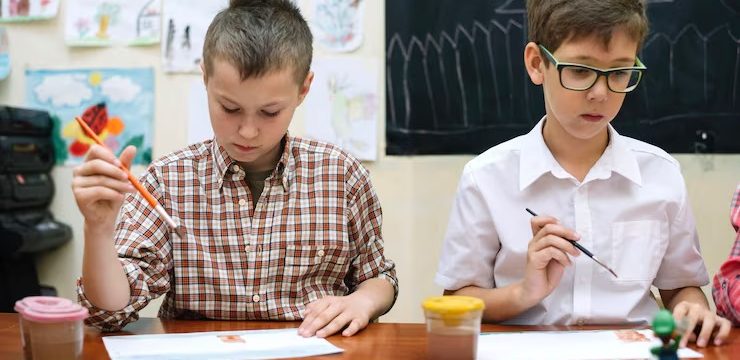
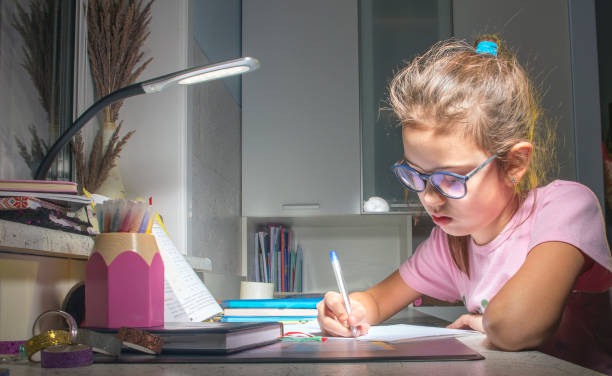
As your child approaches the school-age years, you may notice shifts in their behavior as they become more aware of rules and structure. This is a time when they begin to understand the importance of following directions and working within a group. Academic skills start to take shape, and you might see them develop interests that reflect their unique personality. Encouraging a love for learning through books, educational games, and exploration can nurture their growing intellect and curiosity.
While each child develops at their own pace, it’s important to recognize that some milestones may come earlier or later than expected. It’s perfectly normal for children to exhibit a range of behaviors, and variations in development are common. If you find yourself concerned about your child’s progress, it’s always a good idea to reach out to a trusted pediatrician or early childhood educator. They can provide insights and guidance tailored to your child’s unique journey.
As parents, it’s essential to create a nurturing environment that supports your child’s development. This means celebrating their achievements, no matter how small, and providing them with opportunities to explore and learn. Engaging in open conversations about feelings and experiences can also help your child develop emotional intelligence, an invaluable skill that will benefit them throughout their lives.
Throughout this journey, remember to be patient with yourself and your child. Parenting is a learning experience, and it’s okay to have questions and uncertainties. Embrace the moments of joy and connection, and know that every step your child takes is a part of their unique story. As you navigate these behavior milestones, take a moment to reflect on the incredible progress they are making, and cherish the bond you are building together.
In the end, understanding behavior milestones is not just about tracking progress but about fostering a loving and supportive environment where your child can thrive. Embrace the beauty of their growth, and trust that each stage of development is a stepping stone towards their bright future.