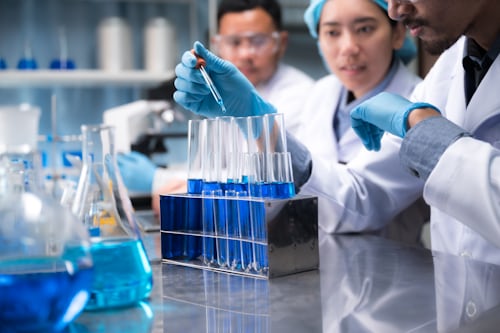
In recent years, the world of biotechnology has begun to weave its way into the fabric of our daily lives, particularly in the realm of food production.
As we become increasingly conscious of what we consume, the advances in biotechnology promise not only to improve the quality of our food but also to enhance our overall well-being.
This fascinating intersection of science and nutrition invites us to explore how these innovations can lead to healthier lifestyles and a more sustainable planet.
The journey of biotechnology in food production is often seen as a tale of transformation. Imagine a world where crops are not only resilient to pests and diseases but also enriched with essential nutrients. This is not merely a dream; it’s a reality being shaped by scientists and researchers who are dedicated to improving agricultural practices. Through methods such as genetic modification, scientists can enhance the nutritional profile of staple crops. For instance, biofortified foods like Golden Rice, enriched with vitamin A, are designed to combat deficiencies that can lead to serious health issues, especially in developing regions. By incorporating these fortified foods into our diets, we can take a small but significant step toward a healthier future.
A small shift toward balance can also be seen in the way biotechnology helps reduce the environmental impact of farming. Traditional agricultural methods often require extensive use of pesticides and fertilizers, which can harm ecosystems and contribute to soil degradation. However, with the advent of biotechnology, farmers can cultivate crops that are more resistant to pests and diseases. This not only reduces the need for chemical interventions but also promotes a healthier environment. Imagine walking through fields where vibrant crops thrive naturally, supported by the earth’s own defenses rather than synthetic chemicals. The result is a more sustainable approach to farming that benefits both producers and consumers.
As we delve deeper into the realm of biotechnology, it becomes clear that these advancements also play a vital role in food preservation. The ability to extend the shelf life of fresh produce means that we can enjoy seasonal fruits and vegetables for longer periods, reducing food waste in the process. With innovative preservation techniques, such as modified atmosphere packaging, we can maintain the freshness and nutritional quality of our food without relying on artificial additives. This is particularly important in a world where food waste is a pressing issue, contributing to both economic and environmental challenges. By embracing these technologies, we can foster a more sustainable food system that respects both our health and the planet.
The culinary landscape is also being enriched by biotechnology. Chefs and food enthusiasts alike are exploring new ingredients derived from biotechnological advancements. For example, plant-based proteins, created through fermentation and other innovative processes, are revolutionizing the way we think about protein sources. These alternatives not only provide a viable option for those looking to reduce their meat consumption but also offer exciting flavors and textures that can enhance a variety of dishes. Imagine a hearty burger made from lab-grown meat or a creamy cheese crafted from fermented nuts. These innovations invite us to reimagine our plates and embrace a more diverse and sustainable diet.
As we consider the future of food, it’s essential to acknowledge the role of biotechnology in improving food safety. Through advanced techniques such as DNA sequencing, scientists can identify potential foodborne pathogens more efficiently, ensuring that our food supply is safer and more reliable. This proactive approach to food safety not only protects consumers but also builds trust in the food system as a whole. Knowing that our food is being monitored and safeguarded by cutting-edge technology allows us to enjoy our meals with peace of mind.
In addition to enhancing food quality and safety, biotechnology also addresses the pressing issue of climate change. As weather patterns shift and environmental challenges mount, the need for resilient crops has never been more urgent. Scientists are working tirelessly to develop varieties that can withstand drought, flooding, and other climate-related stresses. By cultivating crops that are better suited to our changing world, we can ensure a stable food supply for future generations. This commitment to sustainability and resilience is a testament to the power of biotechnology in shaping a more secure and nourishing future.
It’s also important to recognize that while biotechnology offers remarkable potential, it comes with responsibilities. As consumers, we have the opportunity to engage with these advancements thoughtfully. Educating ourselves about the origins of our food and the technologies behind it can empower us to make informed choices that align with our values. Supporting local farmers who embrace sustainable practices or choosing products that utilize biotechnology responsibly can contribute to a healthier food system.
In this ever-evolving landscape, the conversation around biotechnology and food quality is just beginning. As we explore these advancements, it’s crucial to approach them with an open mind and a sense of curiosity. The potential benefits are vast, and the innovations we see today may pave the way for a more vibrant and health-conscious tomorrow.
As we savor the fruits of these advancements, let’s remember that our choices matter. By embracing the innovations in biotechnology that enhance food quality, we not only nourish ourselves but also support a healthier planet. Together, we can enjoy a future where food is not only sustenance but also a source of joy, creativity, and well-being. The journey toward better food begins with us, and with every meal, we have the opportunity to nurture both our bodies and the earth.